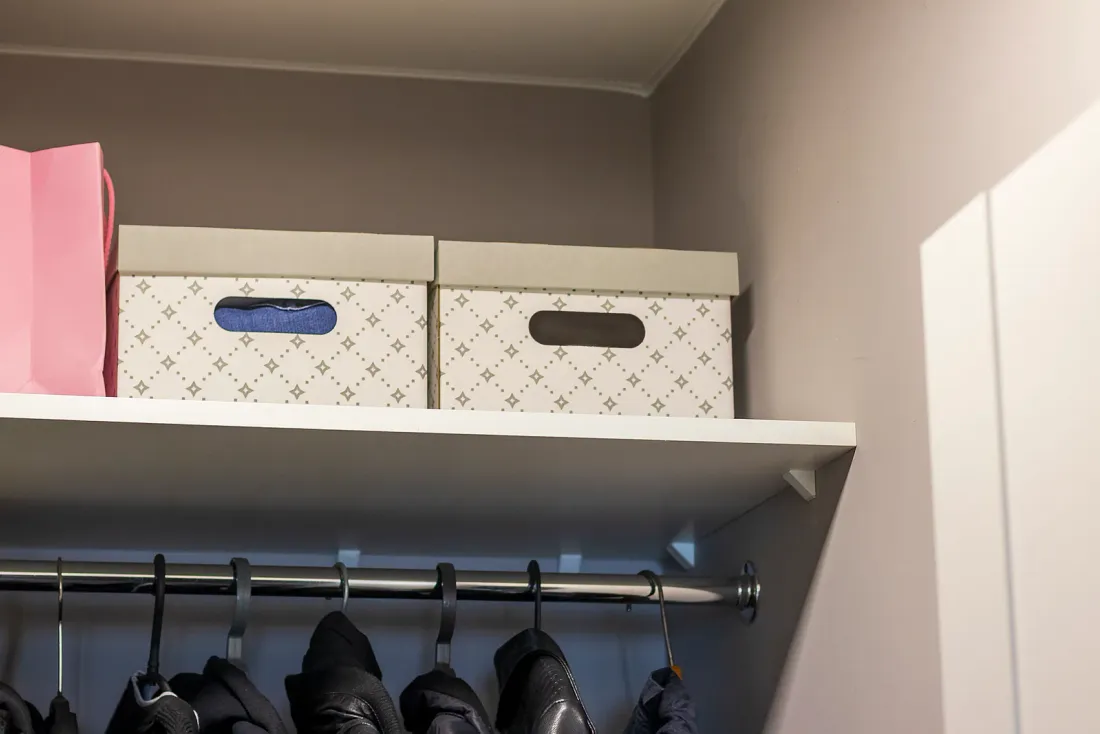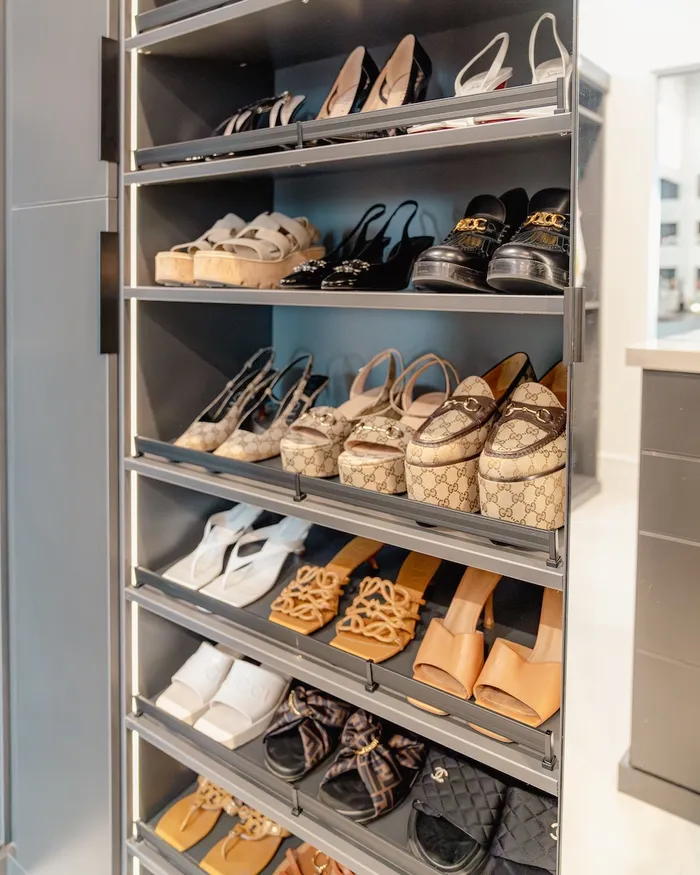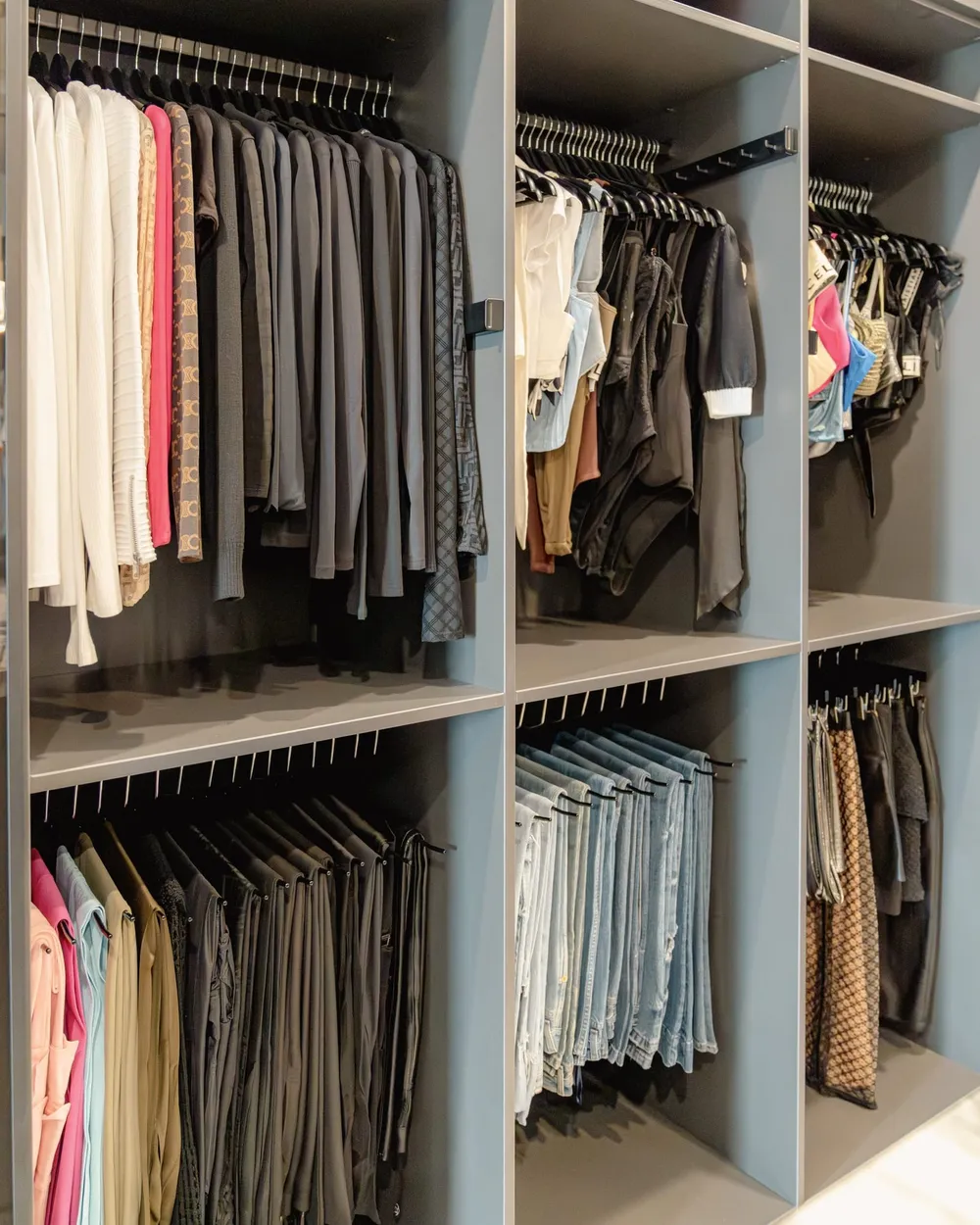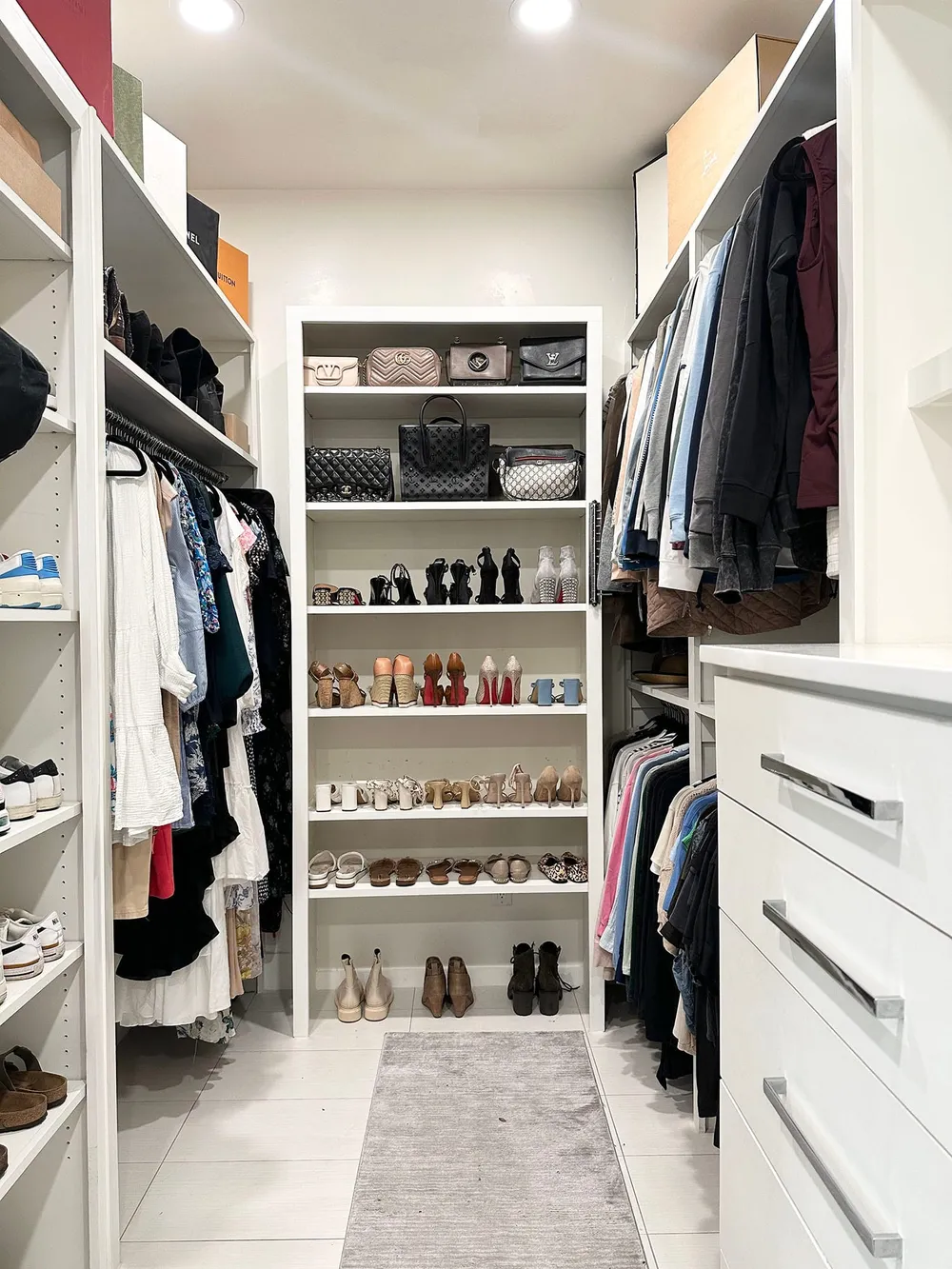
Closet organizing is priced by time, so the size of the edit matters more than the size of the room
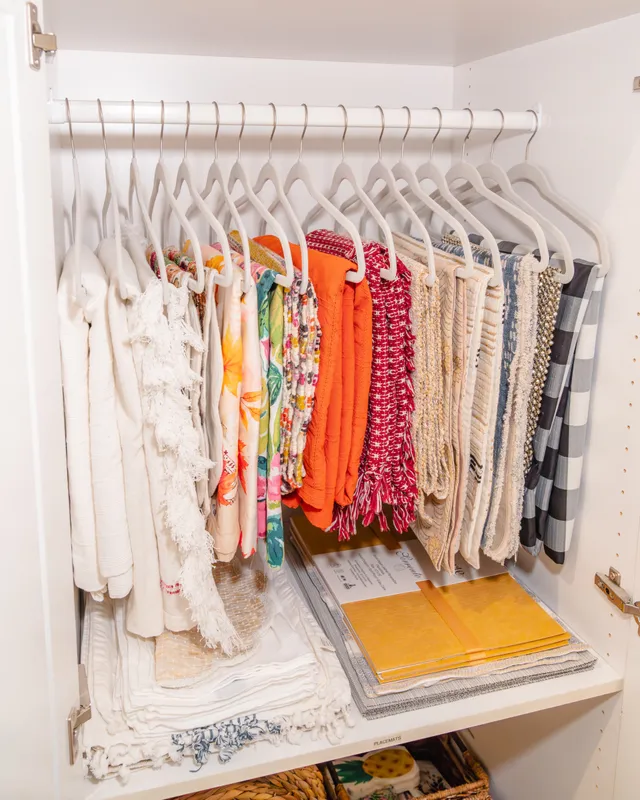
The figure you pay reflects the hours the team spends in your closet, not the square footage on a floor plan. A tidy walk-in that just needs a smarter layout can go faster than a small reach-in packed three layers deep with clothes that no longer fit.
The biggest swing factor is editing. Every garment has to come out, be sorted by category, and get a keep, donate, sell or discard decision from you. If you have already pulled what you no longer wear, the session moves straight to layout and setup, and the hours drop.
Typical closet projects and where they land
These ranges are a planning guide, not a quote. Your actual time is set after the free consultation, once the team has seen the volume and heard what you want the closet to do.
| Closet type | Usual time frame | Starting point |
|---|---|---|
| Reach-in or kids' closet with a light edit | Within the four-hour minimum | Around $600 |
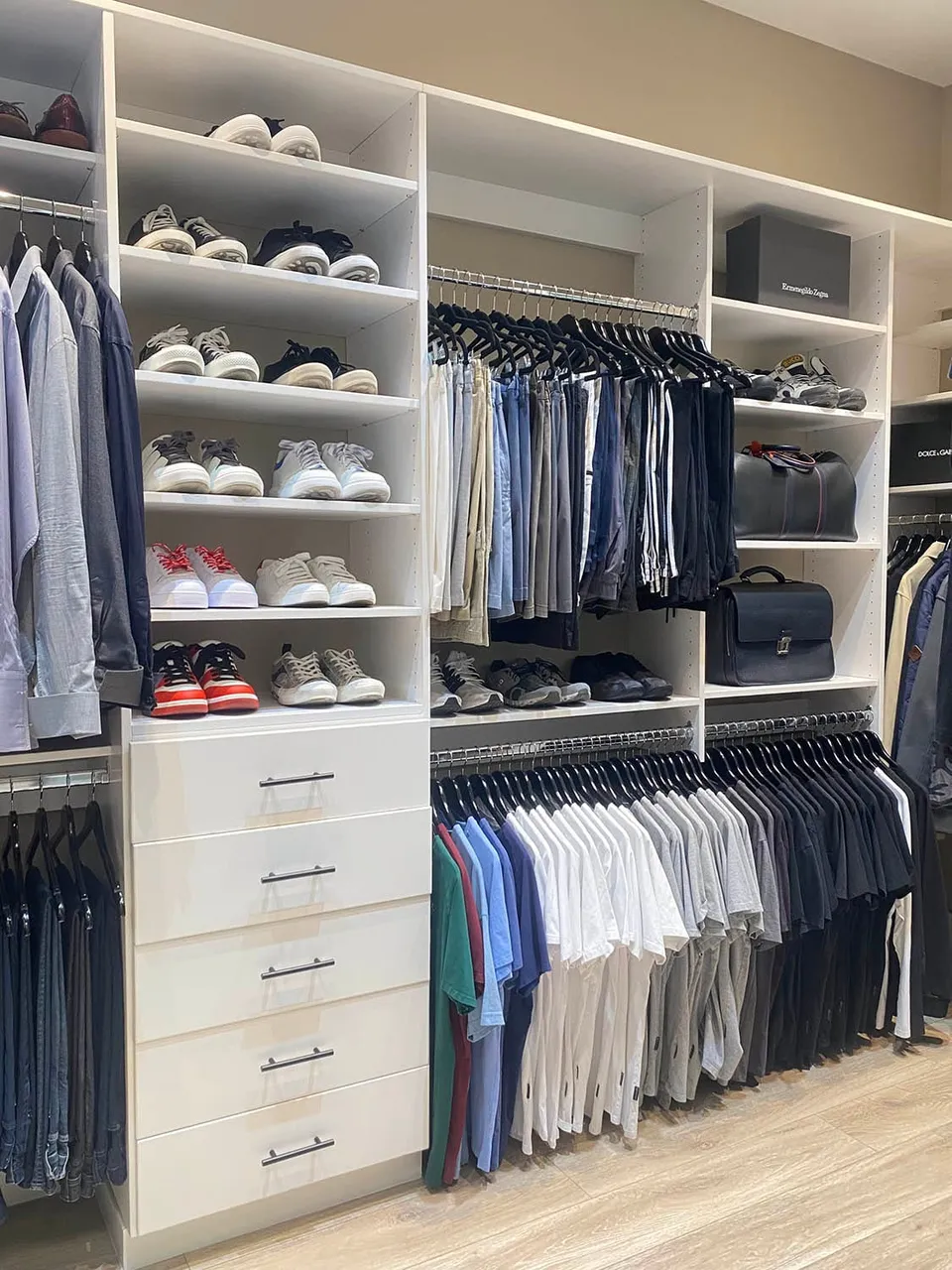
| Standard walk-in, clothes plus shoes | Half day to full day | $600 to around $1,200 |
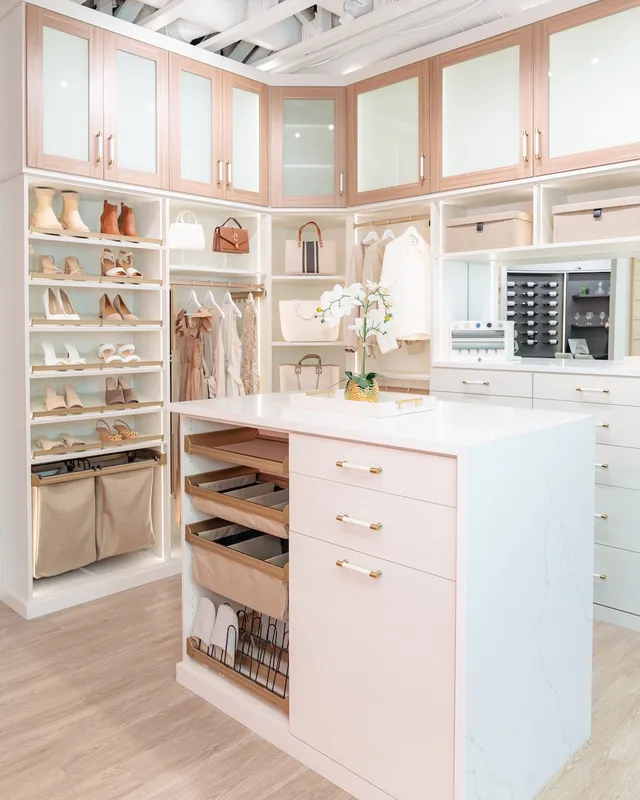
| Large primary walk-in or closet with an island | Full day, sometimes more | Around $1,200 per full day |
| Shared couple's closet with a deep edit | Full day or multiple sessions | Around $1,200 per full day |
| Several closets in one visit | Full day or more with a larger team | Set at consultation |
Products are a separate line, and you only pay for what stays
Matching hangers, shoe risers, clear bins, drawer dividers and labels are the most common closet purchases. The team sources them to fit your shelf depths and hanging lengths, and unused items are returned for you, so you are not left holding a stack of the wrong size.
Many closets need very little. Reusing the baskets and boxes you already own is a sensible way to keep costs down, and a good organizer will tell you when a product is not worth buying. For a fuller look at what to buy and what to skip, read our page on organizing product costs.
Las Vegas closets have their own quirks that affect the plan
Short, mild winters mean most valley residents keep a small cold-weather wardrobe rather than a full second season, which changes how much prime hanging space you need. Coats and ski gear for trips to Mount Charleston or Utah can usually move to a high shelf or a guest closet.
Fine desert dust is the other local factor. Lidded bins and garment bags for formalwear and rarely worn pieces keep fabric clean, and that can add a few products to the list. Many newer homes in master-planned communities also come with builder wire shelving, which the team works around with products rather than carpentry.
- Light seasonal swap instead of a full winter wardrobe rotation
- Lidded or closed storage where dust settles on open shelves
- Builder wire shelving improved with risers, bins and hanging solutions
- Space for suitcases if you travel or split time with another home
Three ways to keep your closet project inside the four-hour minimum
You can shorten the session by deciding ahead of time on clothes you already know are leaving. Bag them, set them by the garage door, and the team can fold them into the donation plan.
It also helps to limit the scope to one closet per visit and to say up front whether you want a full redesign or a reset of the layout you have. If your goal includes a built-in system, that work belongs with a closet installer; see how the two fit together in organizer vs custom closet company.