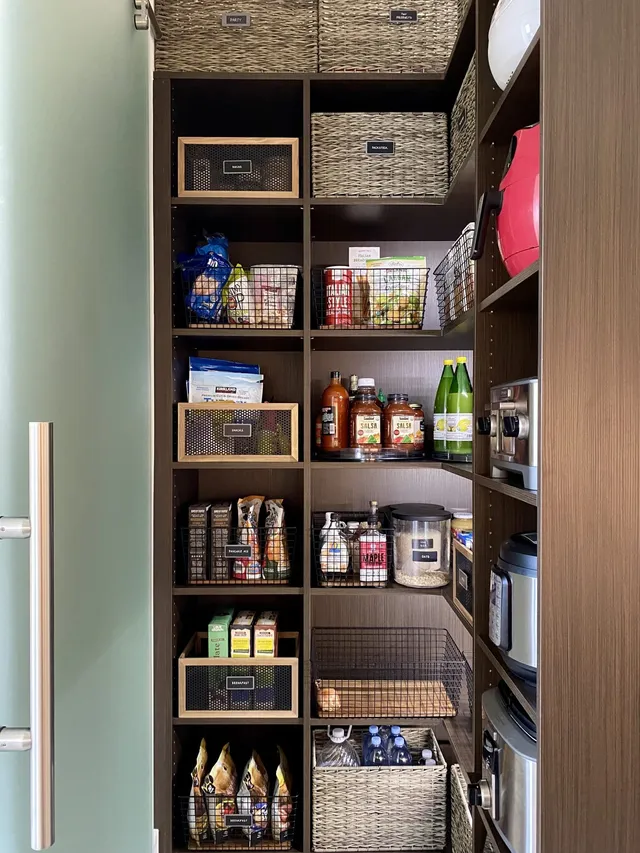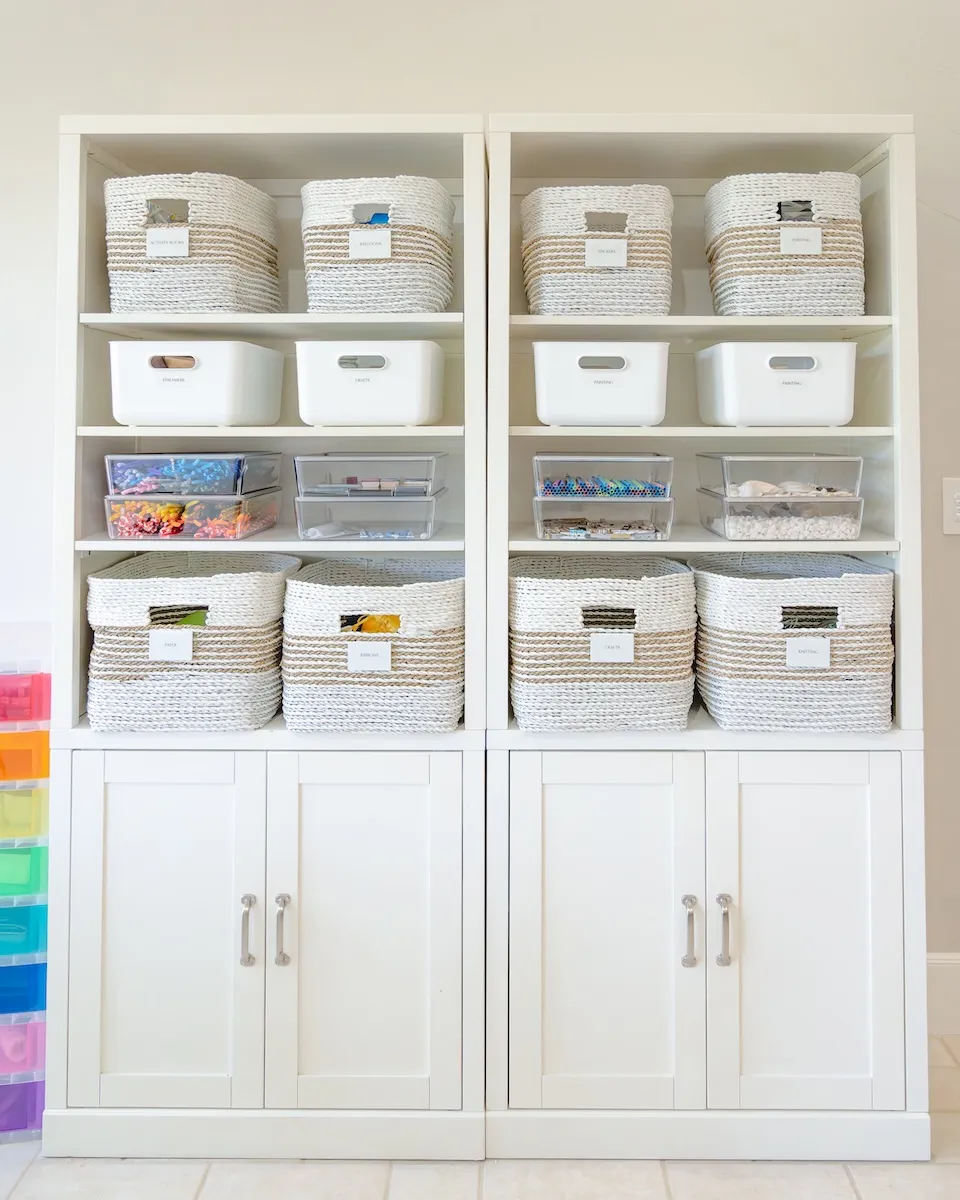
Products are billed separately and only when they solve a problem
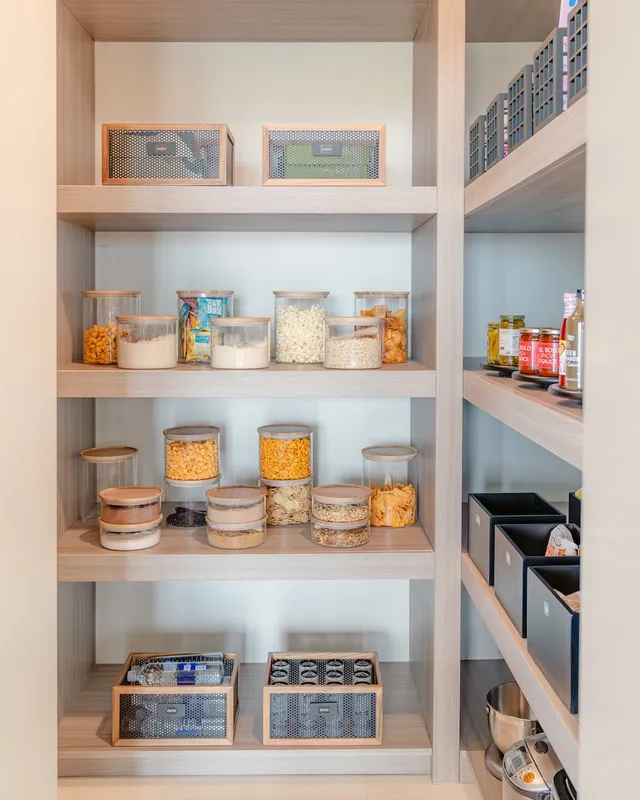
Your organizing session covers time: sorting, editing, planning and setup. Products are an extra line, and the amount varies widely from one home to the next. A closet with sturdy shelves may need little more than hangers, while a pantry decanting project needs many containers.
Sorted Spaces does not publish a product price list because sizes, quantities and styles vary so much. The team explains what is needed and why before buying, and you decide.
Products that usually earn their place
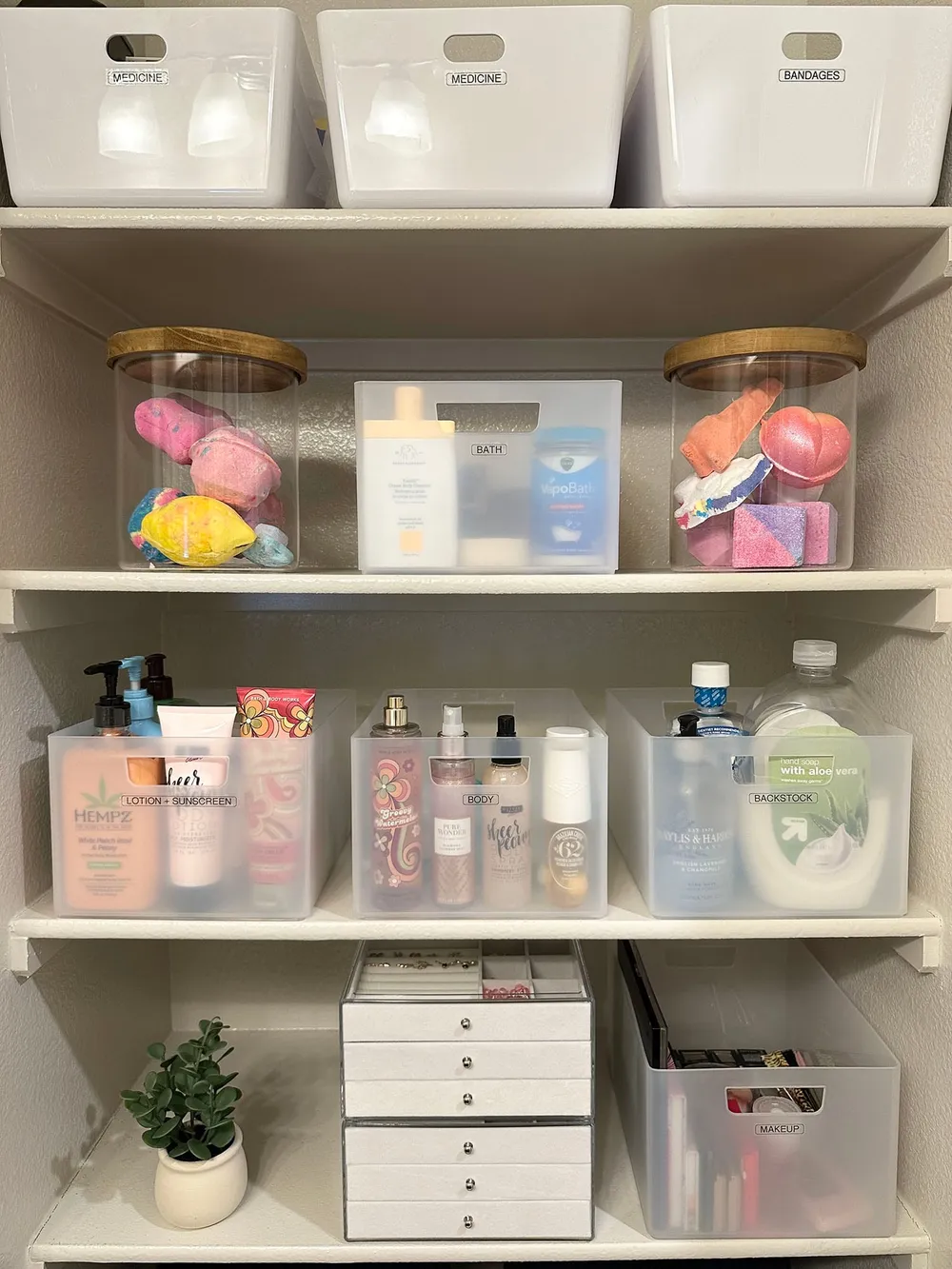
Certain products solve common problems so reliably that they show up in many projects.
| Product | Where it helps most | Why |
|---|---|---|
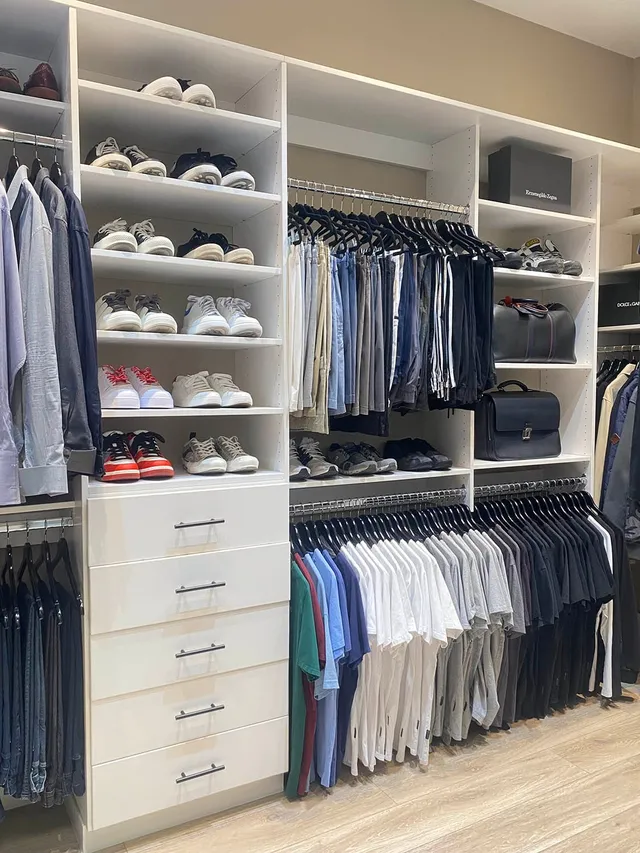
| Slim matching hangers | Closets | Saves rod space and keeps clothes from slipping |
| Drawer dividers | Kitchens, bathrooms, dressers | Stops small items from mixing |
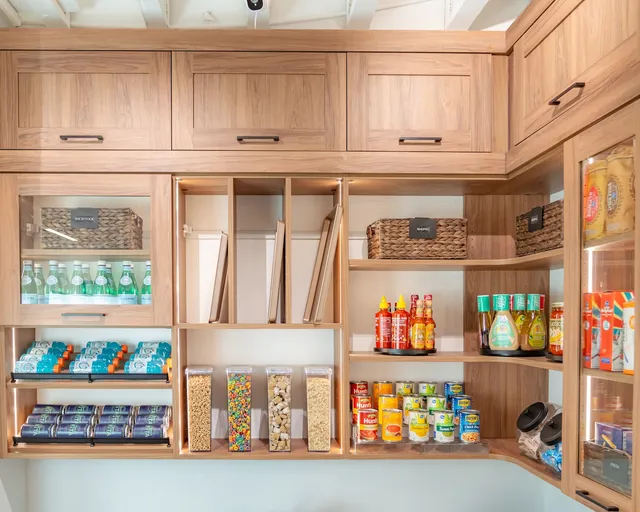
| Turntables | Pantry corners, under sinks | Brings the back row within reach |
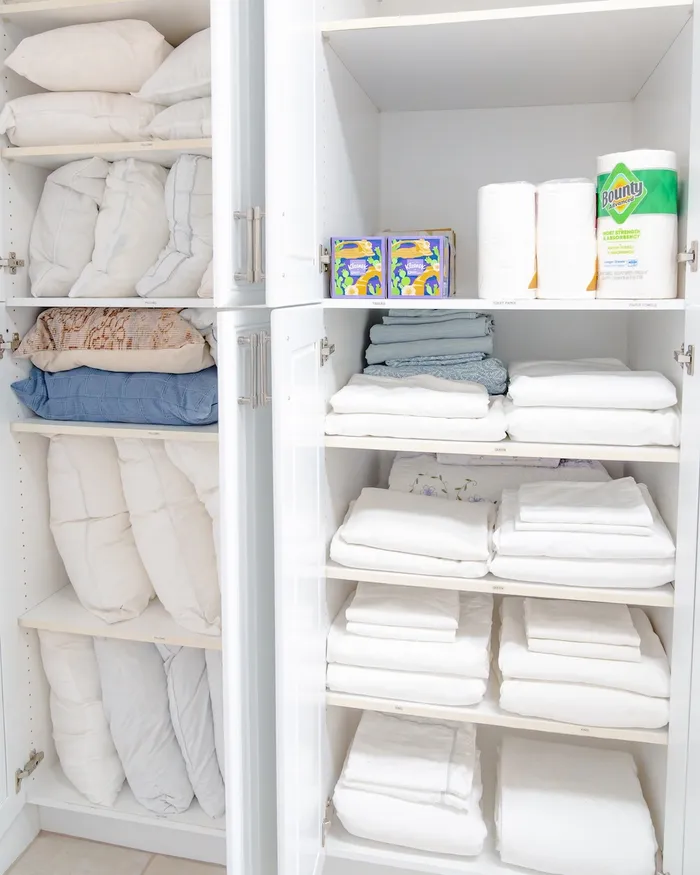
| Lidded bins | Garages, closets, guest rooms | Keeps fine desert dust off stored items |
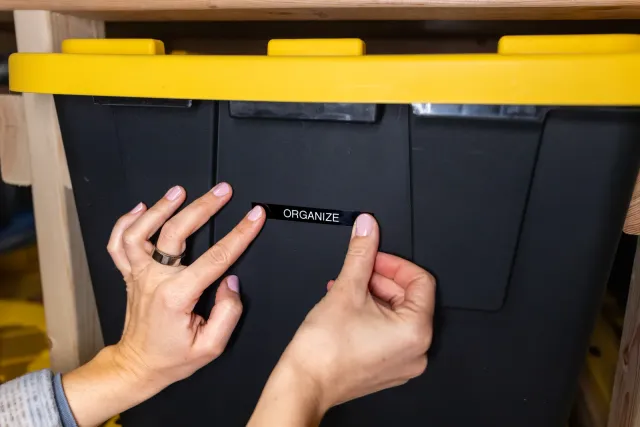
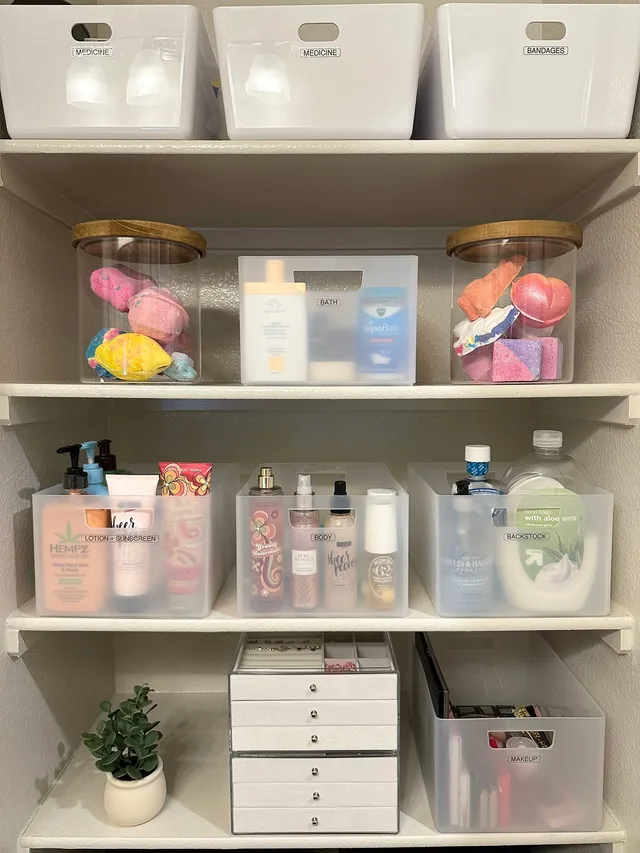
| Labels | Every room | Helps everyone reset the space |
| Shelf risers | Cabinets and pantries | Uses vertical space on deep shelves |
What to skip or delay
Avoid buying before you sort. Containers chosen in advance are often the wrong size or quantity once the edit is done.
Be cautious about decorative sets that look great online but do not match your shelf depth or how often you use the items. And consider your climate: thin plastic and cardboard break down faster in a hot Las Vegas garage, so sturdy, lidded options are better there.
- Large matching container sets bought before measuring
- Decanting every pantry item when only daily-use ones benefit
- Cardboard storage in garages or near windows
- Products for items you plan to donate

How sourcing and returns work with Sorted Spaces
Once the plan is set, the team sources bins, baskets, containers, labels and other items sized to your space. Often a few extras are brought so the final fit can be confirmed on site.
Anything unused is returned for you, which saves the errand and keeps your total tied to what you actually keep. If you already own baskets, bins or containers, the team will work with them first.
This approach also prevents a common frustration: a garage shelf stacked with bins that never quite fit. Because products are chosen after the edit and checked against the real shelves, what you keep is sized for the items it holds.
Keeping product costs in proportion to the project
Products should support the system, not drive it. A good guideline is to spend first on high-use spaces like the kitchen and primary closet, where small inserts make daily life easier, and keep low-use areas simple.
Telling the team your product budget at the consultation helps them plan. Overall time costs are on the professional organizer cost page, with sessions starting around $600. For more on choosing containers, see clear bins vs baskets and best organizing products for a luxury home.