Start with how they explain pricing
A trustworthy organizer can tell you how they charge before they set foot in your home. Ask whether they bill by session, by the hour or by the day, what the minimum is, and how organizing products are handled.
For reference, Sorted Spaces publishes its starting points openly: projects begin around $600 for a four-hour minimum, and a full day is typically around $1,200. Whoever you hire, the structure should be just as easy to understand. The professional organizer cost page explains how the factors add up.
Look for a process built around your routines, not a look
Good organizing starts with questions. How does your family use the kitchen at 7 a.m.? Who puts laundry away? Where does mail land? An organizer who asks these things builds systems you can keep. One who arrives with a car full of matching bins before seeing the space is selling a style.
Pretty results matter, but function matters more. The finished space should be easy for everyone in the home to reset in a few minutes.
- They ask about your routines and pain points first
- They explain the plan, team size and time before booking
- They work with your existing containers where possible
- They leave the keep, donate and discard decisions to you
Check the evidence: photos, reviews and how they talk about clients
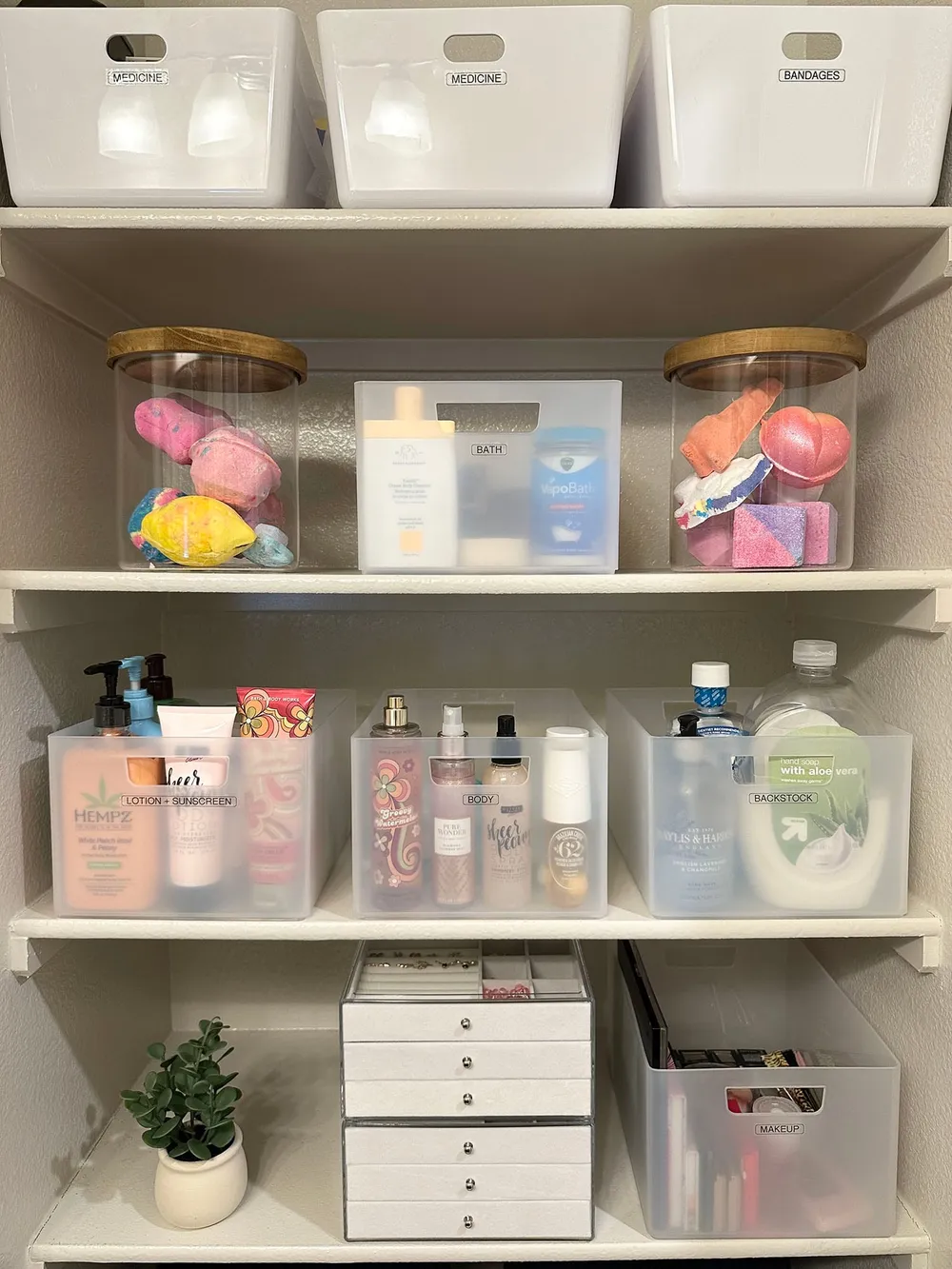
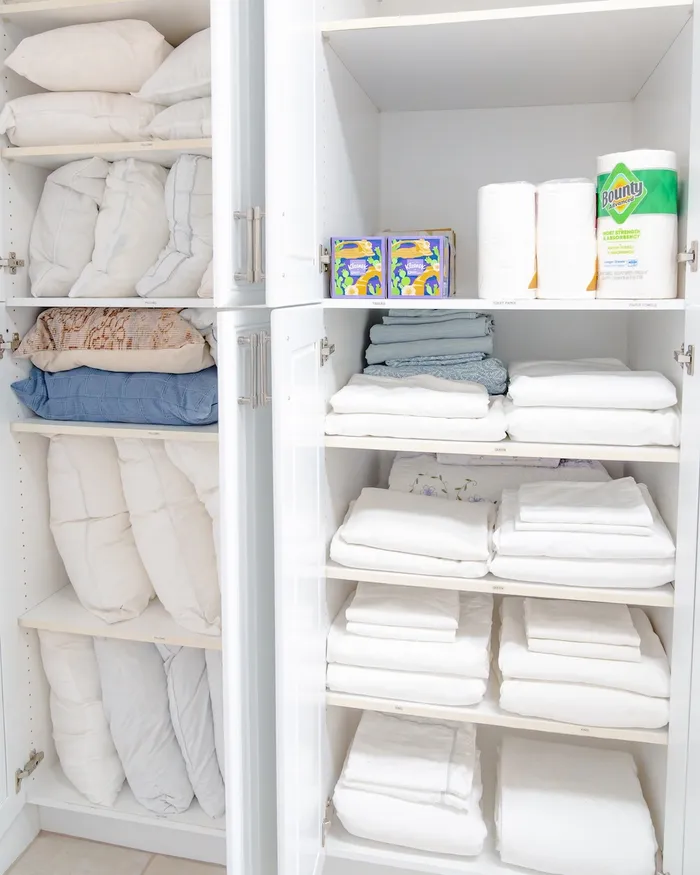
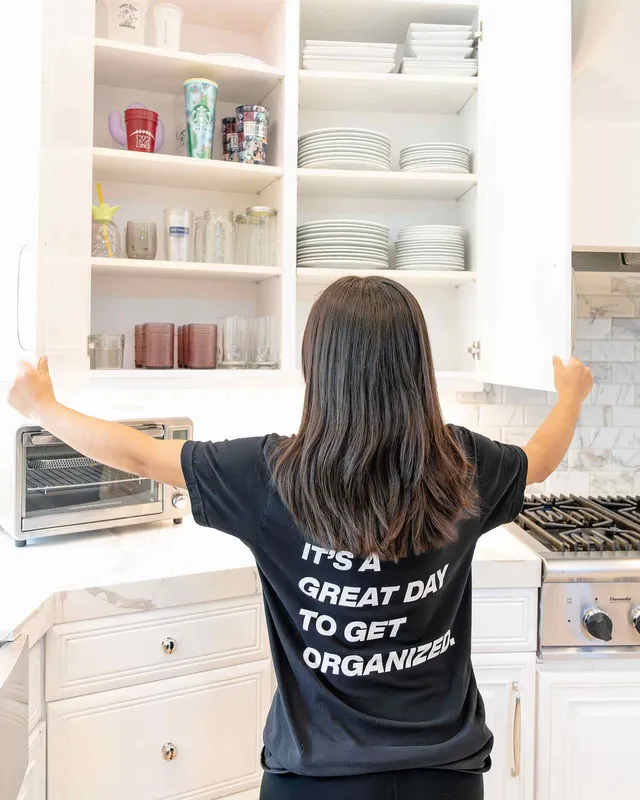
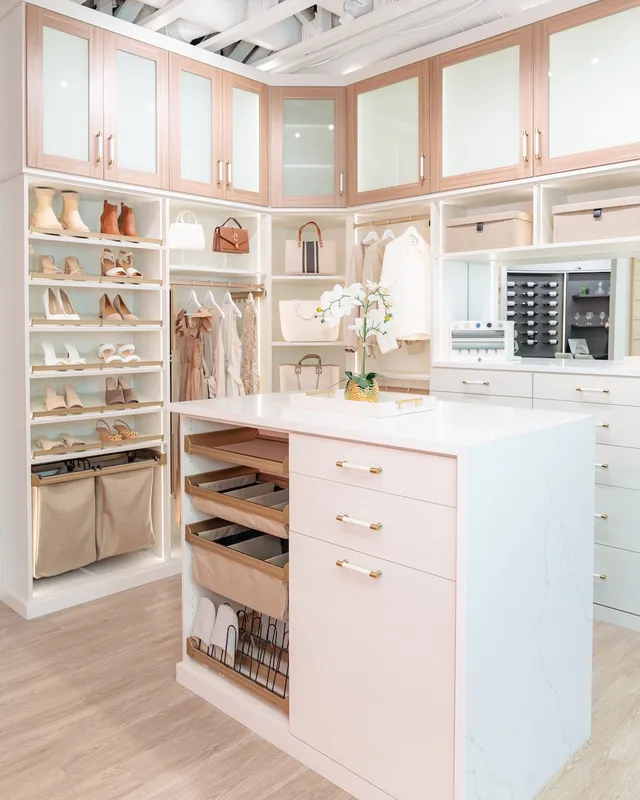
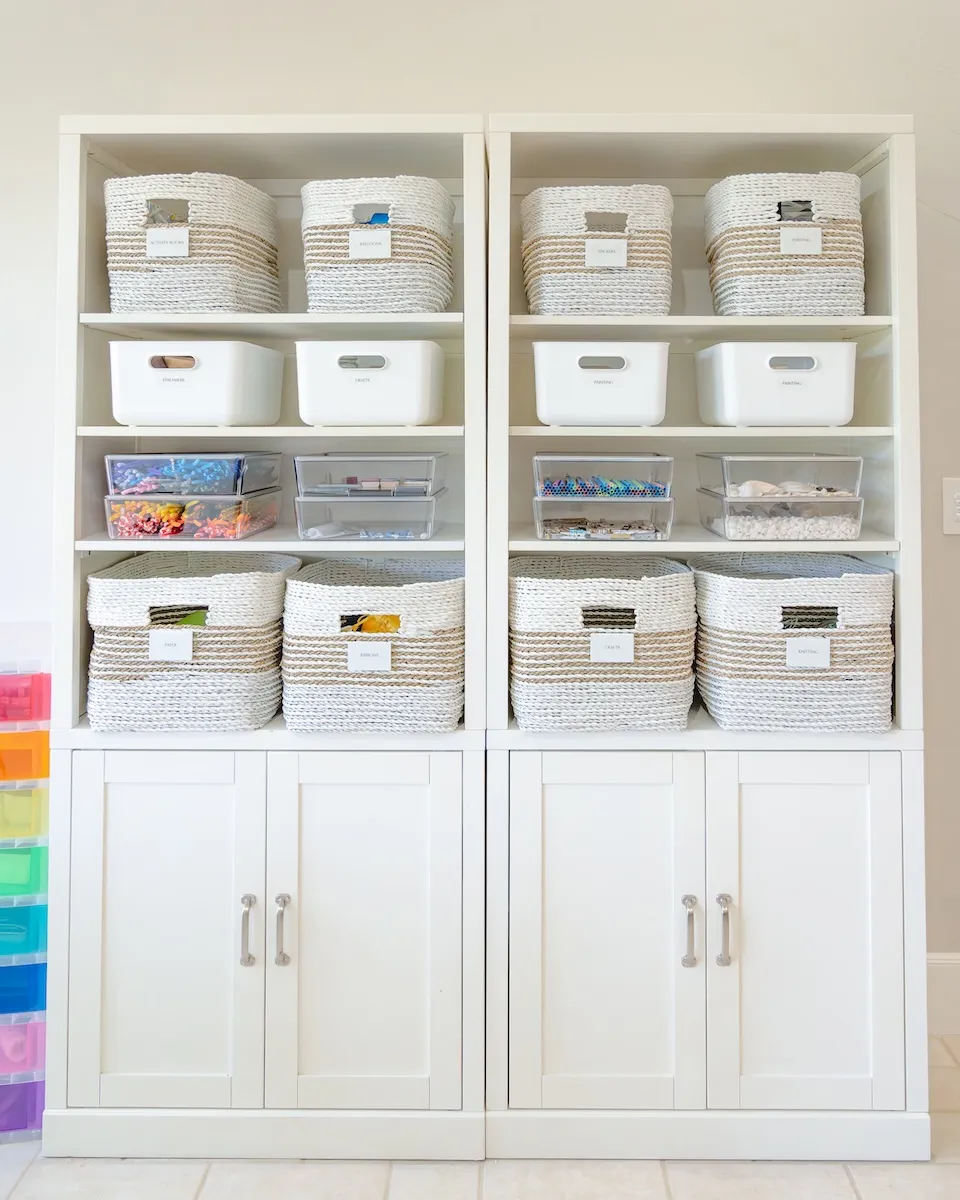
Browse their portfolio for spaces like yours, whether that is a family pantry or a large walk-in. Read reviews for patterns in how people describe the experience, not just the results. You can view our own home organization portfolio and client reviews.
Pay attention to discretion, too. An organizer who shares identifiable details about other clients' homes would likely share yours.

Make sure they know how Las Vegas homes work
Local knowledge shows up in small but useful ways. A valley organizer should know that garages are not workable in midsummer, that heat ruins candles, wine and photos stored in the wrong place, and that a light seasonal clothing swap is enough for most local closets.
They should also be comfortable with the homes you actually live in: new-construction builds in master-planned communities, casitas, high-rise condos near the Strip, and second homes owned by part-time residents.
Red flags that suggest a poor fit
A few warning signs are worth taking seriously, regardless of how polished the photos look.
| Red flag | Why it matters |
|---|---|
| Vague pricing or no stated minimum | You cannot budget or compare |
| Pressure to buy a large product package | Products should solve problems, not pad the bill |
| Throwing items away without asking | Your belongings are your decision |
| Judgment about the state of your home | You need a calm partner, not commentary |
| Promises that sound too good to be true | Honest organizers explain what depends on scope |