Collect it all before you sort anything
Paper hides in kitchen counters, nightstands, car consoles, entry tables and the bottom of tote bags. Walk the house with a laundry basket and pick up every stray page. Sorting one pile at a time in each room means you will touch the same categories over and over.
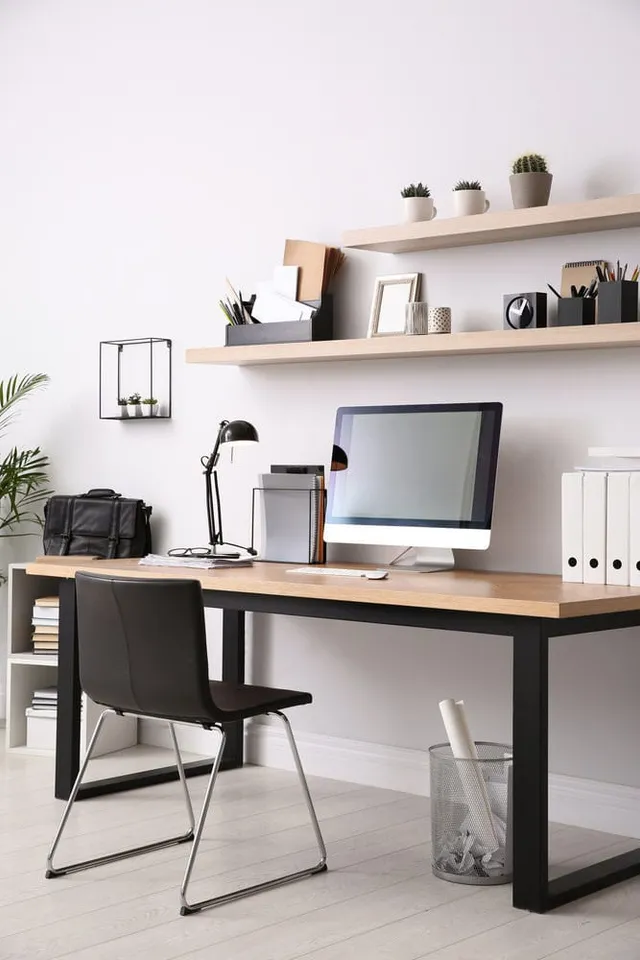
Clear the dining table or a desk to use as your sorting station. A flat, clean surface makes the decisions feel faster.
Use four piles and nothing more
Extra categories slow you down. Every paper goes into one of these four groups, and you decide in a few seconds.
- Act: bills to pay, forms to sign, invitations to answer
- File: papers you need to keep, such as important records and current-year tax documents
- Shred: anything with account numbers, Social Security numbers, signatures or medical details
- Recycle: catalogs, envelopes, flyers, old manuals you can find online, and expired coupons
Step by step
- Gather every loose paper
Walk room by room with a basket and bring everything to one sorting station.
- Sort into act, file, shred and recycle
Make quick decisions and avoid reading every page in full.
- Handle the act pile first
Pay, sign or schedule what needs attention, then file or shred it.
- Shred in batches
Use a home shredder for small amounts, or look for a community shredding event or a shredding service for large volumes.
- Set up an inbox and a weekly time
Choose one tray and one recurring fifteen-minute slot to keep up with new paper.
Know what is generally safe to let go
Many people keep paper simply because they are unsure, and the result is drawers of statements that are also available online. Product manuals are usually posted by the manufacturer, so the paper copy can go. Store receipts matter mainly for returns, warranties and big purchases.
How long to keep tax returns, legal papers and financial records depends on your situation. Ask your tax professional or attorney for a retention schedule, then write it on an index card and tape it inside your file drawer so you never have to wonder again.
Store the keepers somewhere safe and cool
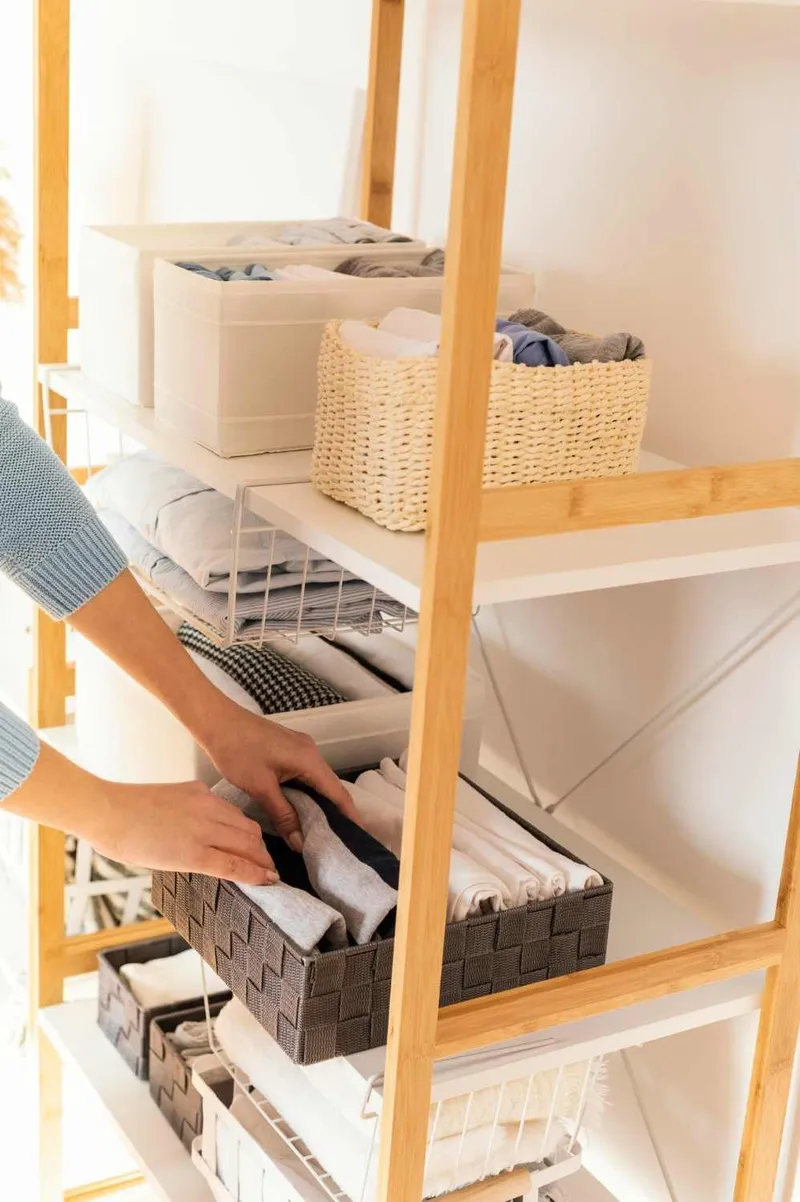
Important documents belong inside the house, not in a garage box. Las Vegas summer heat can yellow paper, fade ink and loosen adhesive on photos and stickers, and fine dust works its way into open bins. A fireproof box or a file drawer in a closet is a better home.
Keep the file system simple: a handful of broad categories, labeled clearly, is easier to maintain than dozens of folders. Our guide on how to organize important documents covers the setup.
Stop the next pile before it starts
Paper clutter returns when mail has no fixed landing spot. Put a single tray near the door, sort mail over the recycling bin, and handle the tray once a week. Opting out of catalogs and choosing paperless statements cuts the flow at the source.
If your home also has a family command center, give school papers their own slot there so they do not mix with bills.