What goes on each label
A good supply room label answers three questions: what is this, which version and when to reorder. Keep it short and readable from a few feet away. Use the name staff actually say out loud, which may differ from the catalog name on the box, and add the catalog number in small print if the person ordering needs it.
| Label part | Example |
|---|---|
| Item name | Nitrile gloves |
| Size or variant | Medium |
| Par level | Par: 5 boxes |
| Zone color (optional) | Blue for exam |
| Item photo (optional) | For mixed-language teams |
Place labels where eyes land
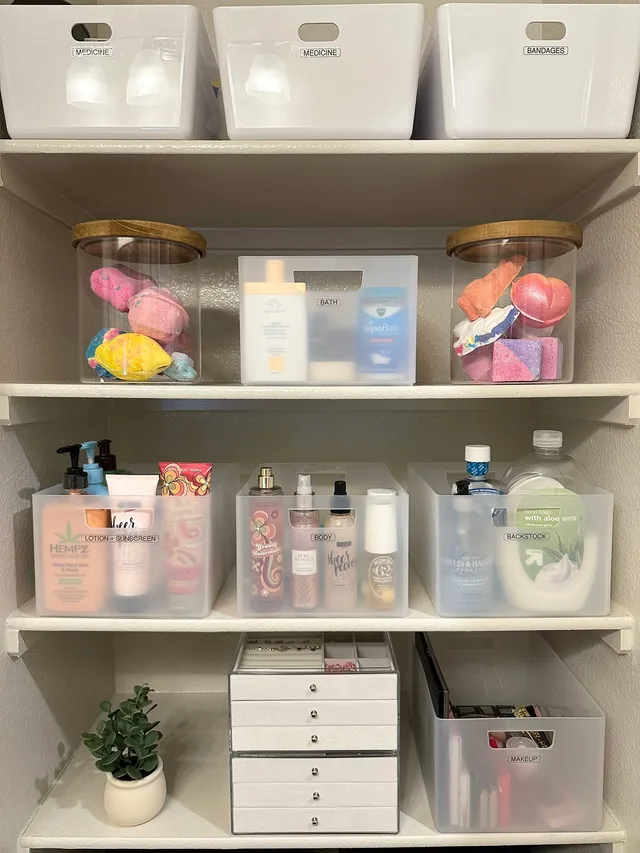
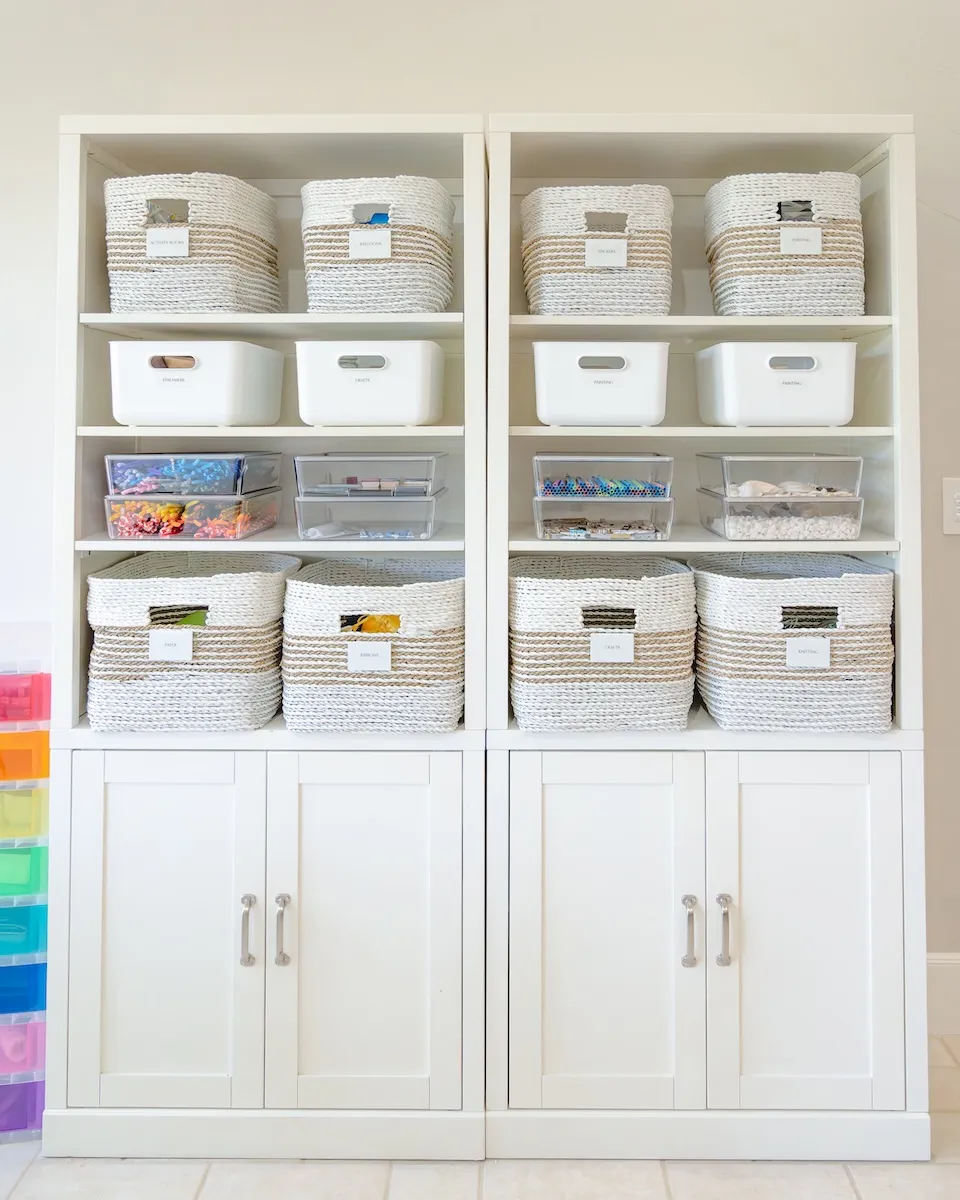
Labels on shelf edges work best for items that sit directly on the shelf. Labels on bin fronts work for small items. Put them at the same height and position throughout the room.
If bins are moved often, label both the bin and the shelf spot so items return to the right place. Avoid putting labels on lids, which get separated from bins, and keep them above any lip or rail that would hide them when the shelf is full.
Step by step
- Sort and zone
Group supplies by category and assign shelf zones.
- Set par levels
Decide the minimum on-hand quantity for each item; the par levels guide explains how.
- Print labels
Use one font and size, with item name, variant and par level.
- Place labels
Apply to shelf edges and bin fronts at a consistent height.
- Post a legend
If you color-code, post the key at the door.
Use color codes for large rooms
In larger supply rooms, color-coding by zone helps staff find areas quickly. For example, blue for exam supplies, green for office supplies and yellow for cleaning.
Keep the color system simple, with a small legend posted at the door. Too many colors confuse more than they help.
- Use four or five colors at most
- Post a legend at the entrance
- Use the same colors on labels, bins and shelf tags

Choose durable label materials
Supply rooms see constant use, so labels need to last. Laminated label tape from a label maker resists wear and wipes clean. Clip-on shelf tags are easy to update when items change.
In Las Vegas, fine dust and dry air can make some paper labels curl or fade. Smooth laminated labels wipe clean and stay readable. Avoid labels near heat sources or sunny windows.
Keep labels accurate as stock changes
Labels only work if they are correct. When you switch products or sizes, update the label right away. Review labels during your quarterly par level check.
A small label kit in the room, with a label maker and spare tags, makes updates easy. Our supply room organization service sets up labels and par levels so your team can maintain them.