Organize by how staff work, not by vendor
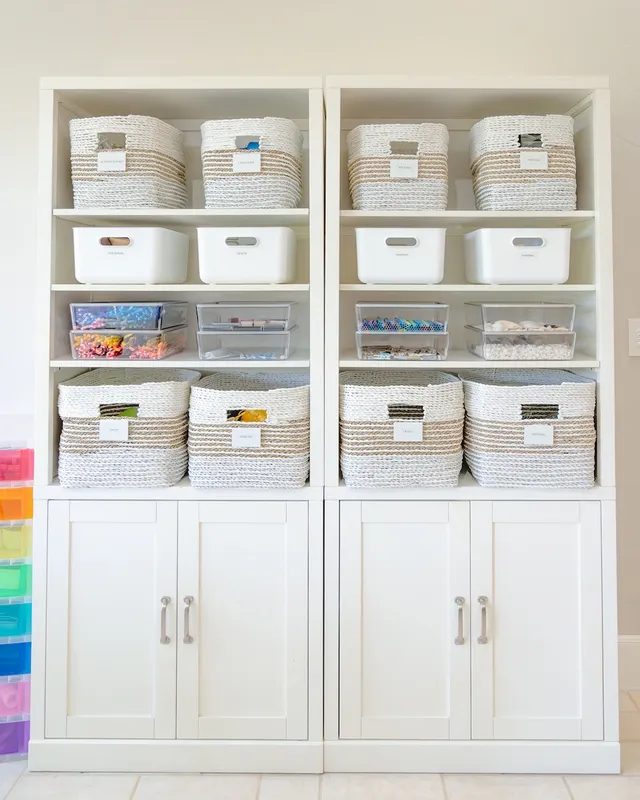
Supply rooms work best when they mirror the workflow. Instead of grouping by brand or delivery, group by use: everything for an exam in one area, procedure kits in another, wound care together and lab supplies together.
Talk to the staff who use the room most. They know which items they grab during a busy day and which sit untouched, and their input makes the layout last. Within each zone, arrange items in the order they are used during a visit or procedure, so a medical assistant can restock an exam room by walking one shelf from left to right.
| Zone | Typical contents |
|---|---|
| Exam | Gloves, exam paper, tongue depressors, specula |
| Procedure | Kits, drapes, sterile supplies |
| Wound care | Gauze, dressings, tape |
| Lab | Collection tubes, labels, specimen bags |
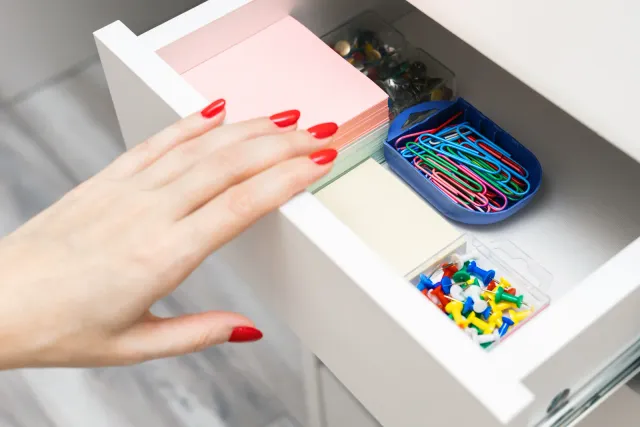
| Office | Forms, printer supplies, pens |
Make labels do the work
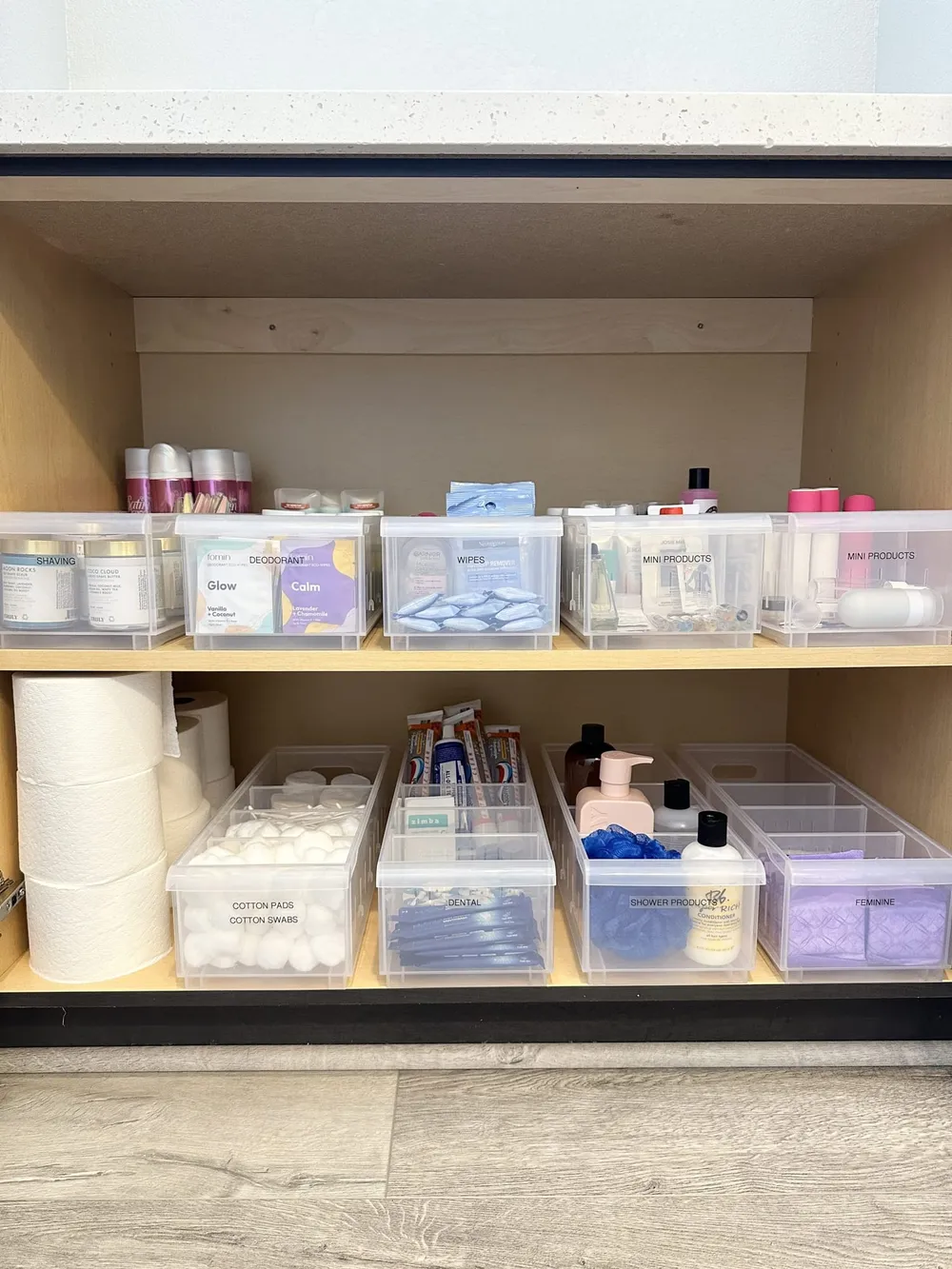
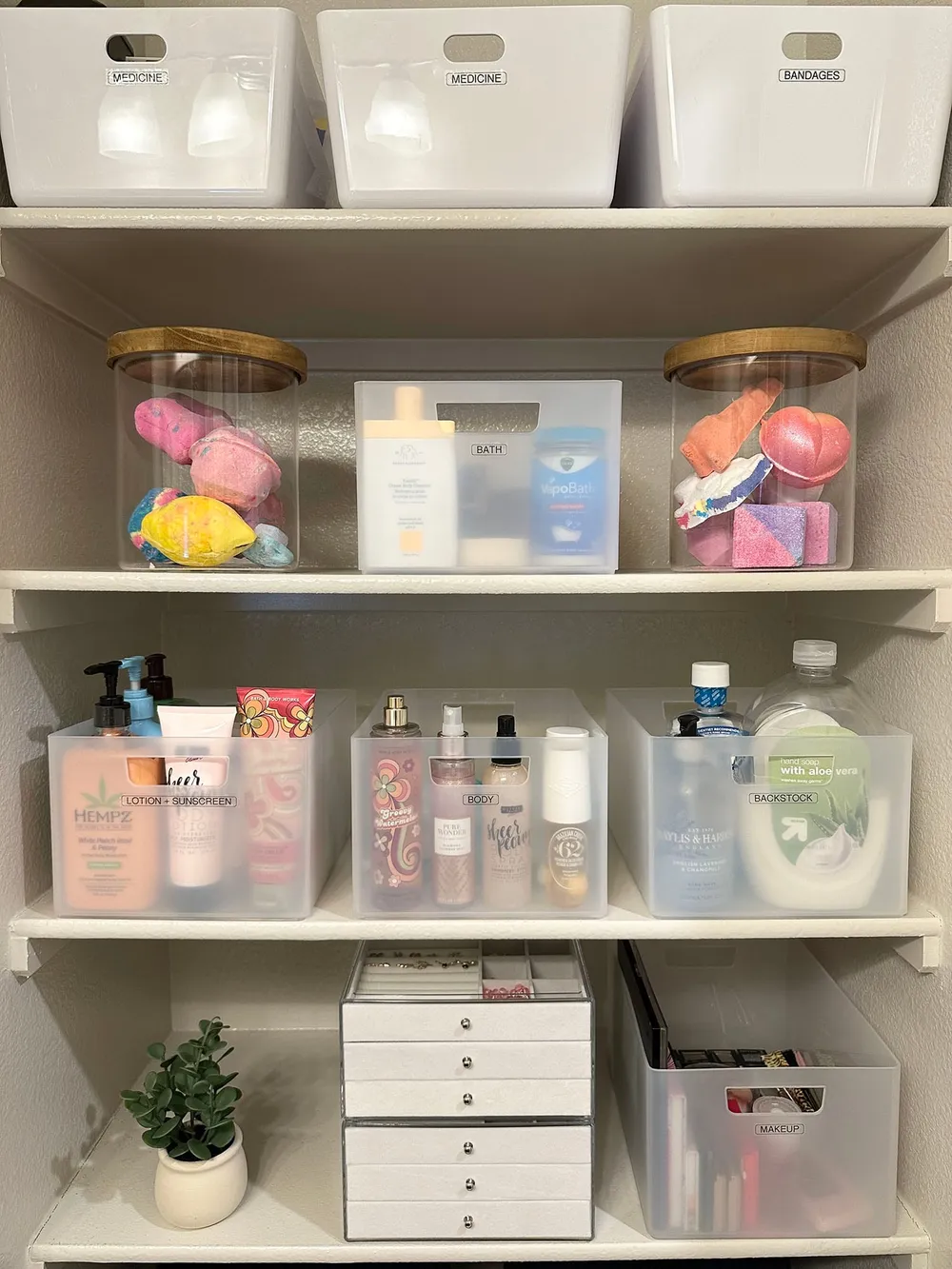
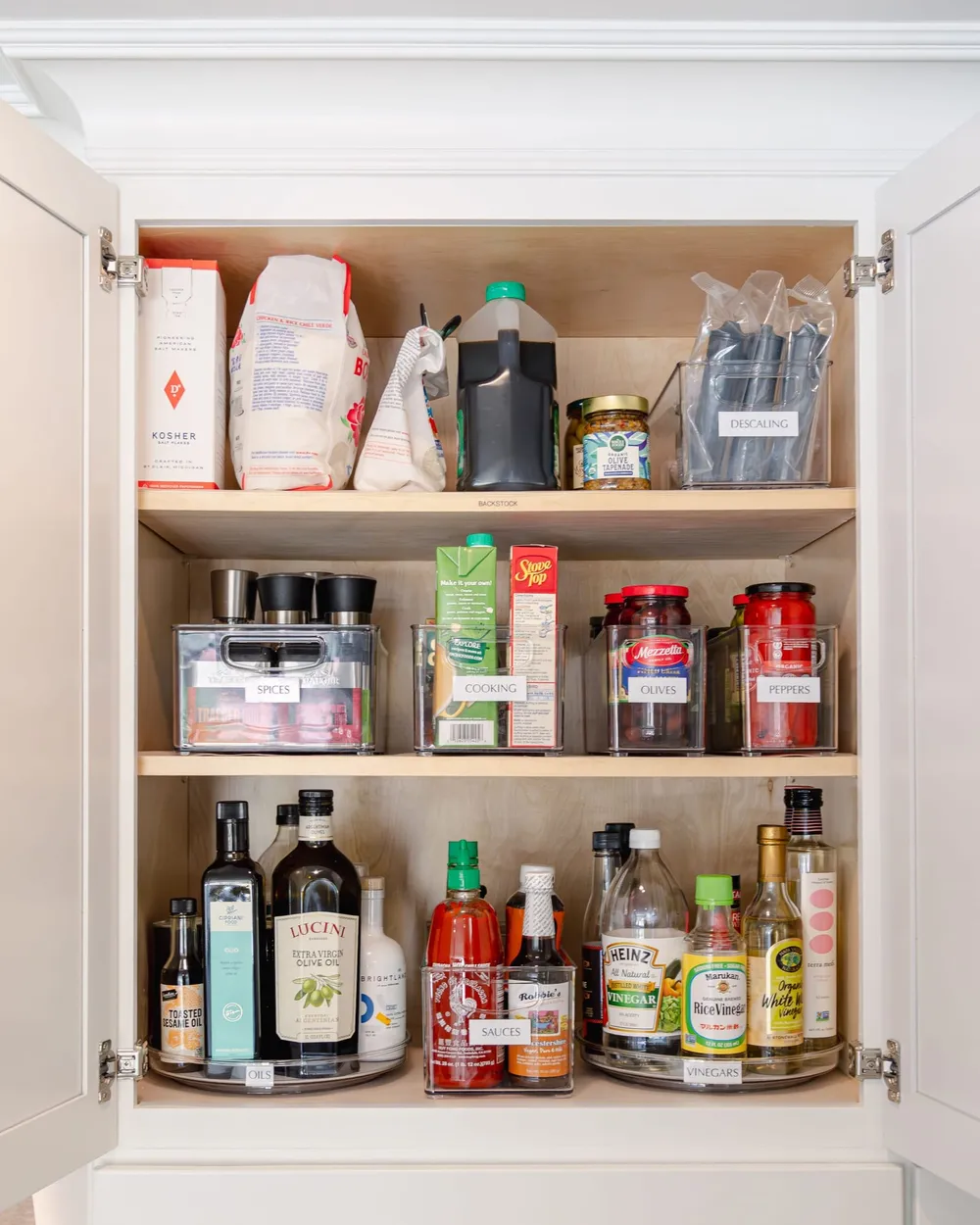
Every bin and shelf should have a clear label with the item name, size if relevant and a reorder point. Use large text and consistent placement so staff can scan quickly.
Color-coding by zone can help, such as one label color for exam and another for procedure. The supply room labeling guide covers formats and placement.
Rotate stock by expiration date
Many medical supplies have expiration dates. When new stock arrives, place it behind existing stock so the soonest-expiring items are used first. This first-expiring, first-out approach reduces waste.
Check expiration dates during routine stock checks and remove expired items according to your practice's procedures. A simple trick is a colored dot on the front of any bin whose contents expire within the next month, so staff reach for those first and the person ordering knows to hold back on that item.

Set par levels and a check schedule
A par level is the minimum to keep on hand before reordering. Set it based on usage, and write it on the label. Assign one person to check stock against par levels on a regular schedule.
The par levels guide explains how to calculate and adjust them as usage changes.
- Daily or weekly: check high-use items
- Weekly: reorder below-par items
- Monthly: check expiration dates
- Quarterly: review par levels and layout
Protect supplies from heat and dust
Many supplies have storage instructions on their packaging, often specifying temperature ranges. In Las Vegas, keep supply rooms away from hot exterior walls and sunny windows, and never store supplies in a vehicle or uncontrolled storage.
Closed shelving or lidded bins keep fine dust off packaging. Follow manufacturer instructions and your practice's policies for any temperature-sensitive items. Our medical office supply room service helps clinics set this up.