Your practice sets the rules; we build the physical system around them
We are professional organizers, not clinical or compliance consultants. Before we touch a shelf, your practice manager or lead clinician tells us which policies apply to the room, which items staff must handle themselves and which shelves or cabinets are off limits. We follow those instructions exactly.
In practice that usually means we organize general medical and office supplies, packaging and backstock, while your team handles medications, samples, controlled items and anything with special storage requirements. Temperature-sensitive stock is placed according to the manufacturer's guidance and your staff's direction, never our judgment.
How a medical supply room project runs
Practices rarely want a supply room unavailable during clinic hours, so we plan the work around your schedule from the first conversation.
- Consultation with your practice manager to agree on scope, off-limits items and the best time to work
- Sort of every shelf into categories your staff recognize, such as exam room restock, procedure, wound care, lab and front office
- Expired or damaged packaging set aside for your staff to review and dispose of under your own procedures
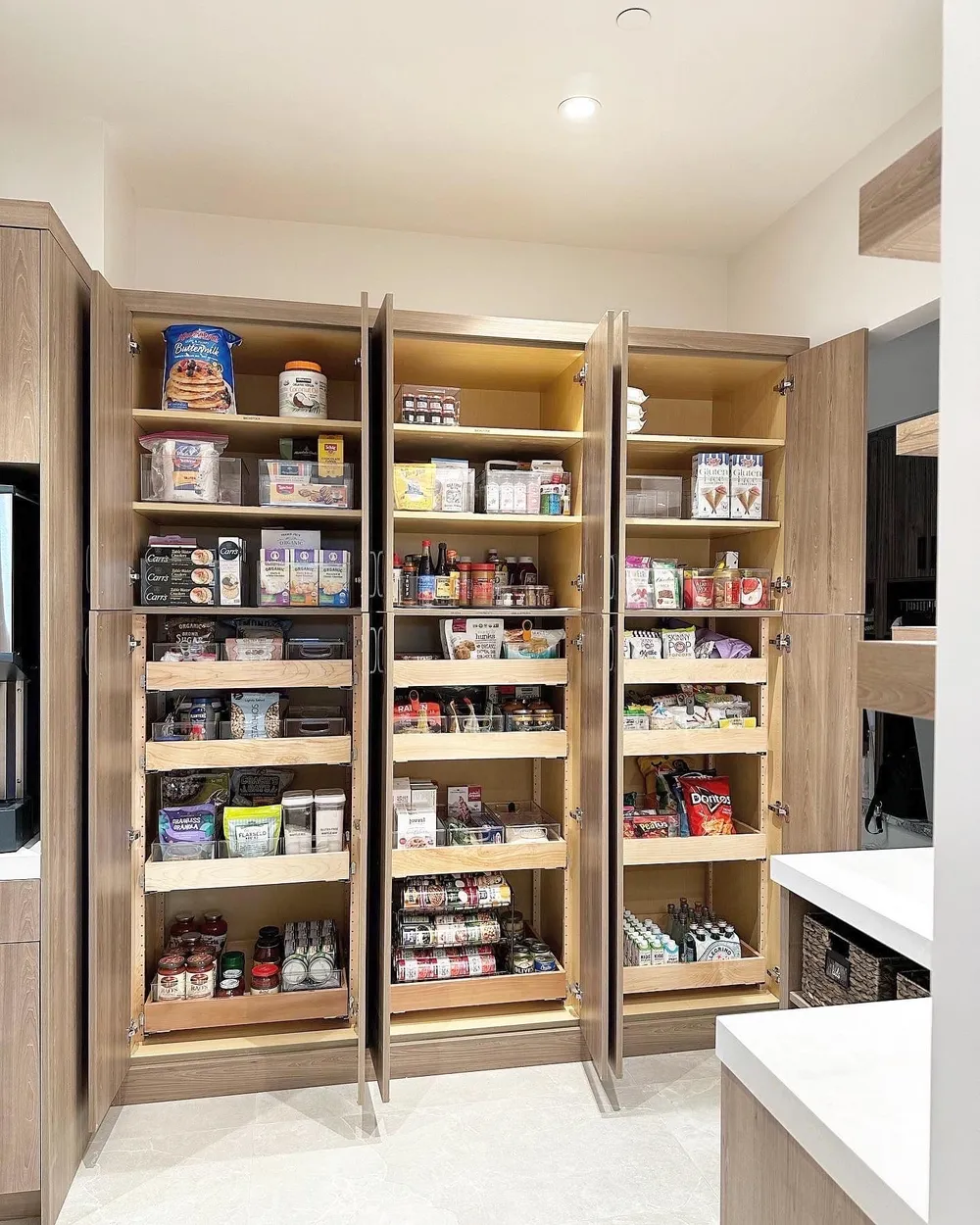
- Zone plan putting the highest-use items closest to the door and at comfortable reach
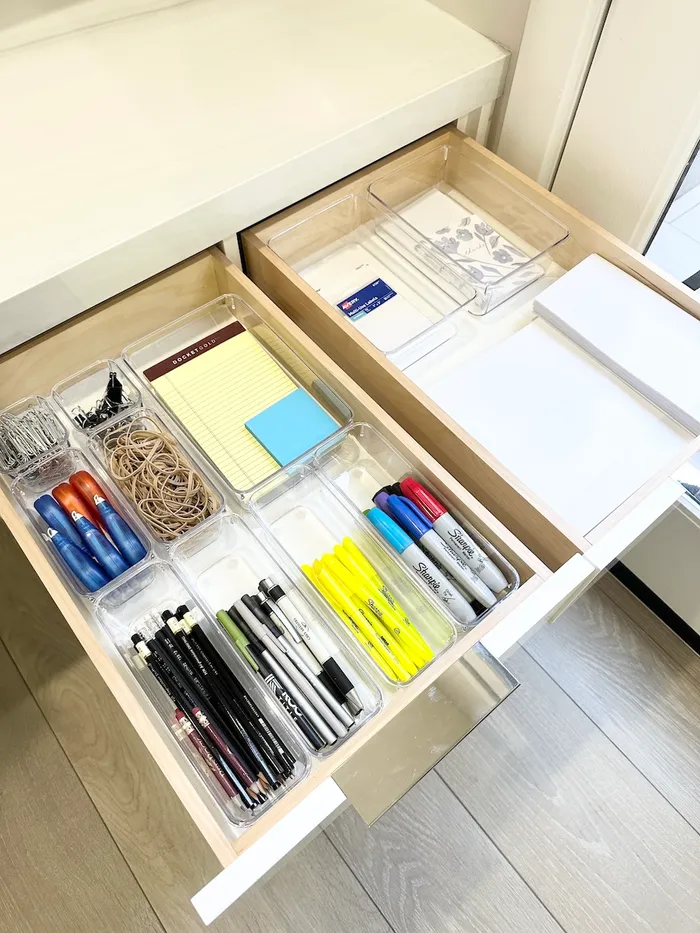
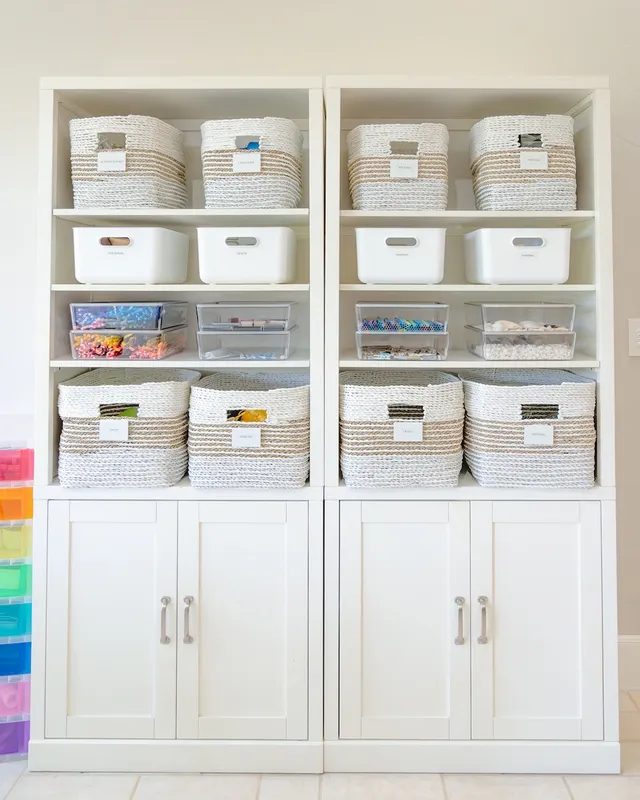
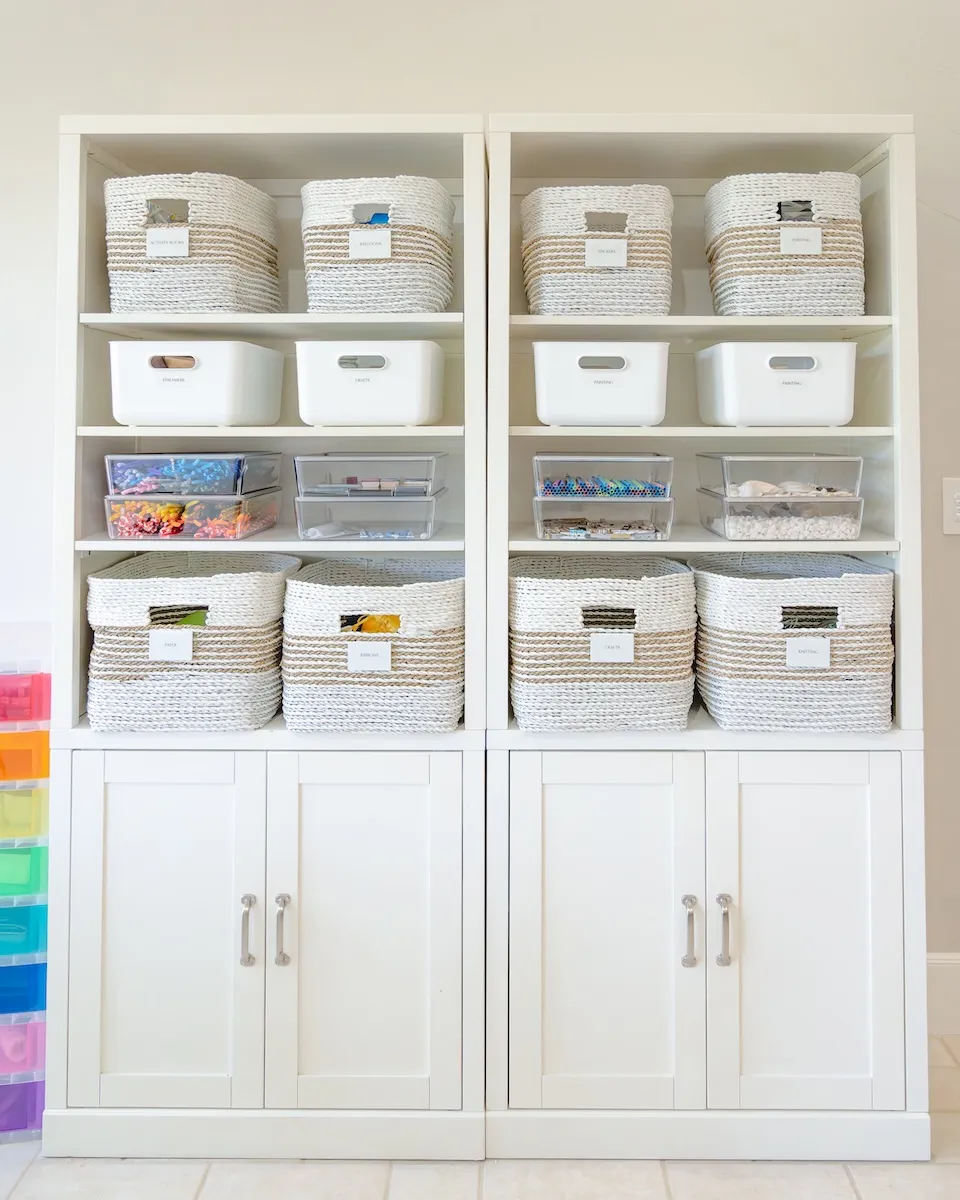
- Sourcing of clear bins, dividers and label holders, with unused products returned
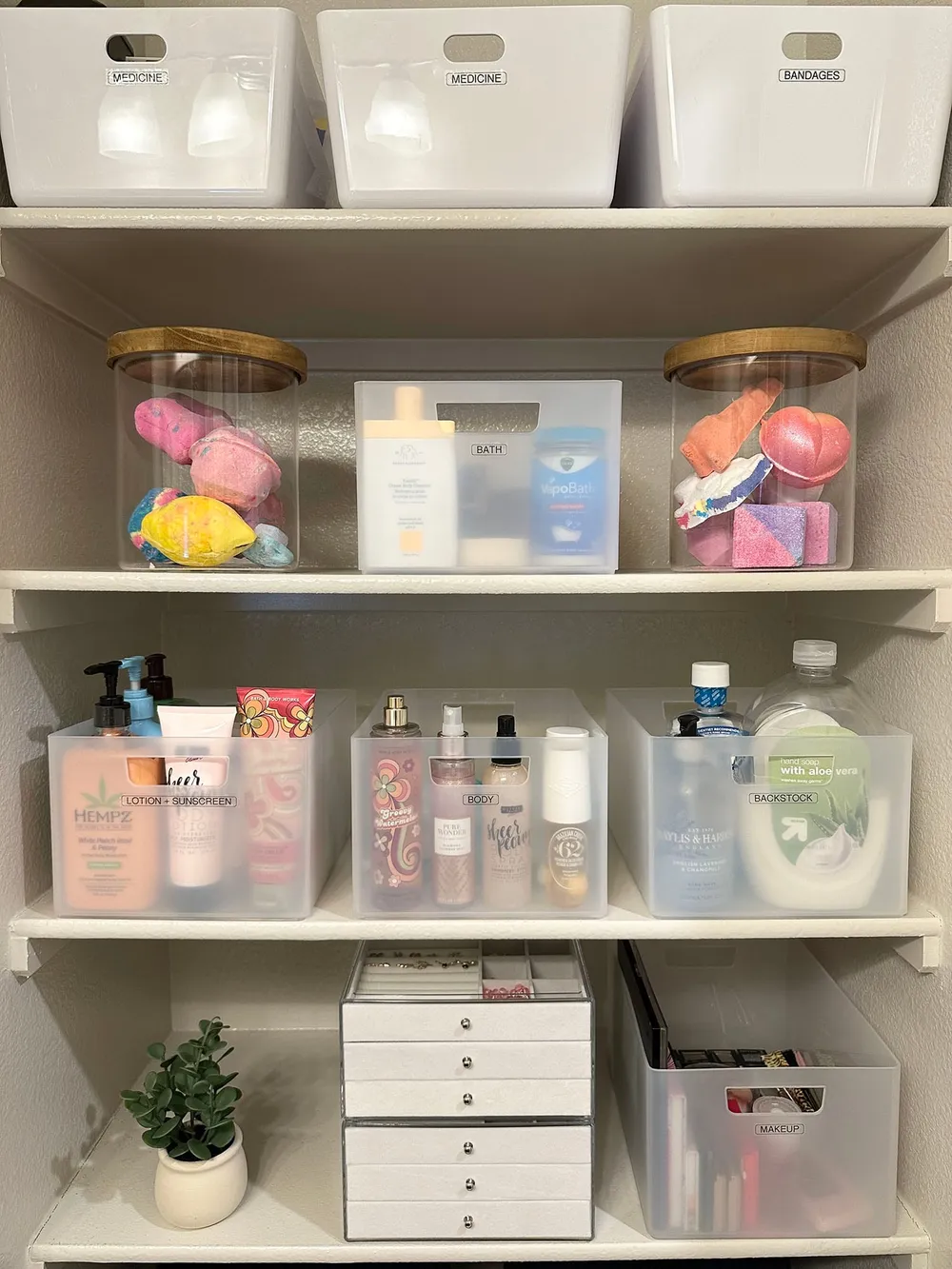
- Labels showing item name and par level, plus a simple rotation setup with newer stock loaded behind older stock
- A short handoff with whoever owns restocking
Labels and par levels do most of the long-term work
A busy clinic restocks rooms between patients, often by whoever is free. Labels that name the item plainly and show the reorder point let any medical assistant restock correctly without asking. We write them in the language your staff already uses, not in vendor catalog codes.
Par levels are set with you based on how fast items move and how long your distributor takes. Our guide on how to label a supply room explains label formats in more detail, and how to organize a medical supply room covers the general method if you want to compare.

Valley clinics deal with heat, dust and fast-growing suburbs
Medical offices across Henderson, Summerlin and the southwest valley often occupy newer buildings with supply rooms tucked against an exterior wall or near a rear service door. In summer, deliveries that sit in a warm corridor can affect packaging and adhesives. We help you find the coolest, most stable shelf for items your staff identify as sensitive, following the manufacturer's storage guidance.
Desert dust is persistent here, so closed bins and lidded containers keep packaging cleaner on open shelves. Your cleaning team still cleans the room; we simply reduce how much is exposed between cleanings.
What we don't do in a medical office
Clear boundaries make the project easier for everyone. We don't give clinical advice, interpret regulations, handle medications or sharps disposal, or decide what is safe to keep. We don't clean or disinfect surfaces, and we don't install shelving or casework.
What we do is the hands-on organizing that clinical staff rarely have time for: sorting, grouping, containing, labeling and writing the restock sheet. Many practices find that division of labor is exactly what they wanted.