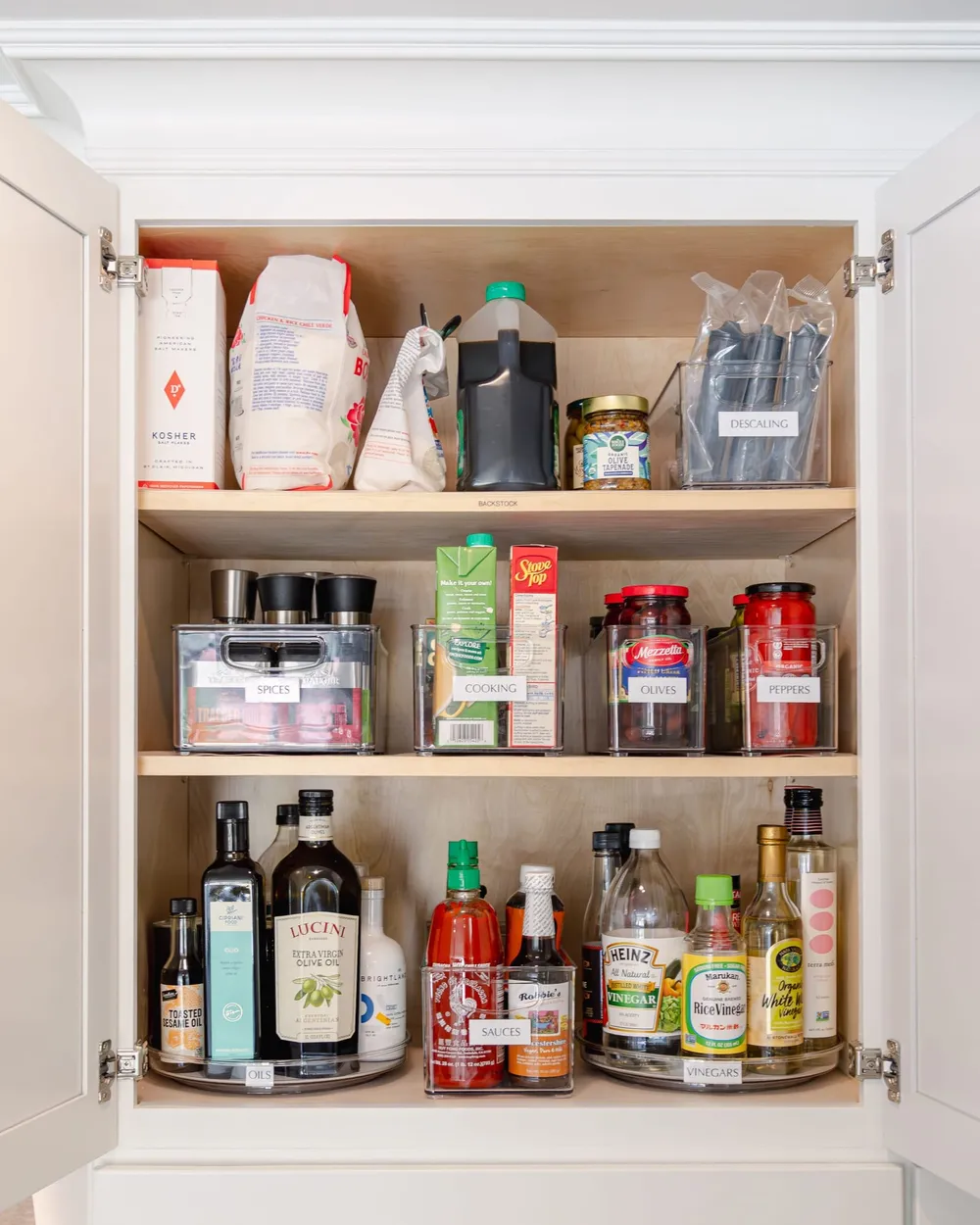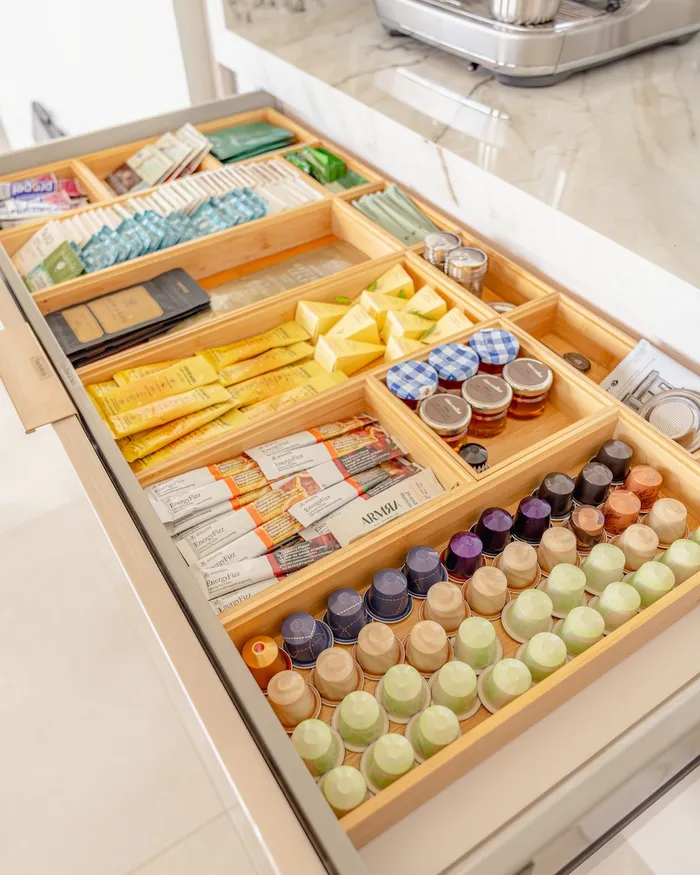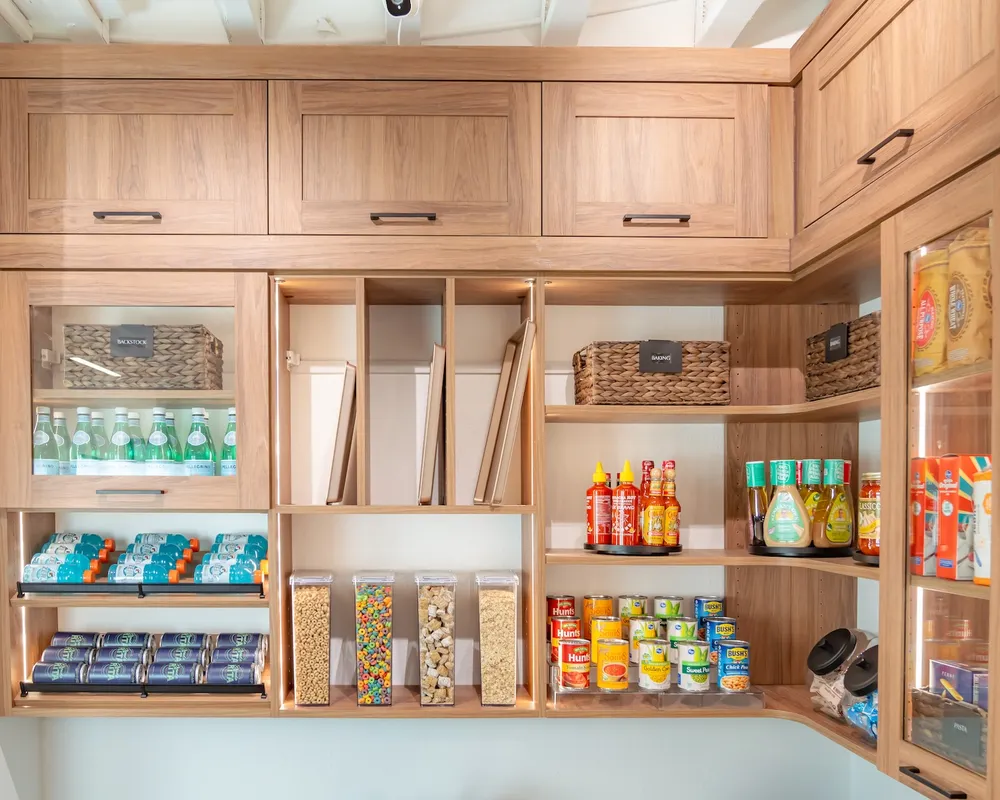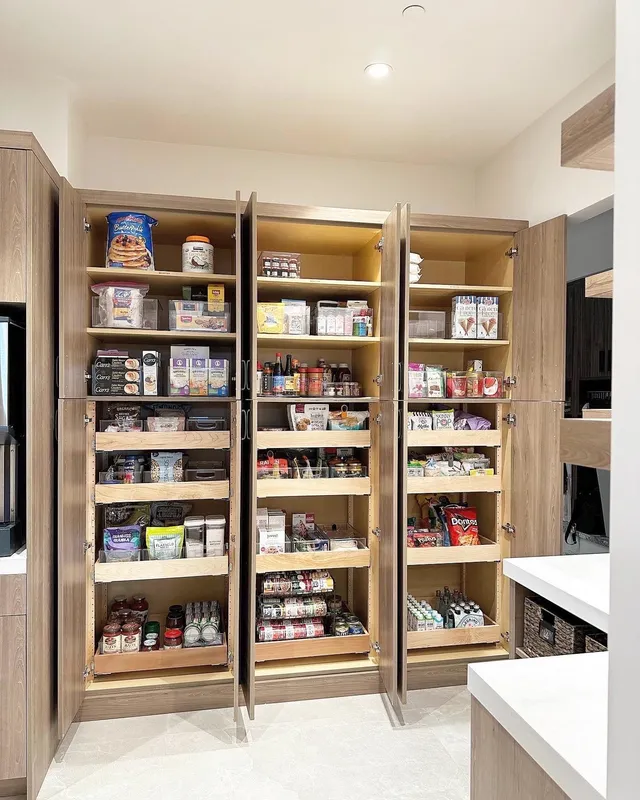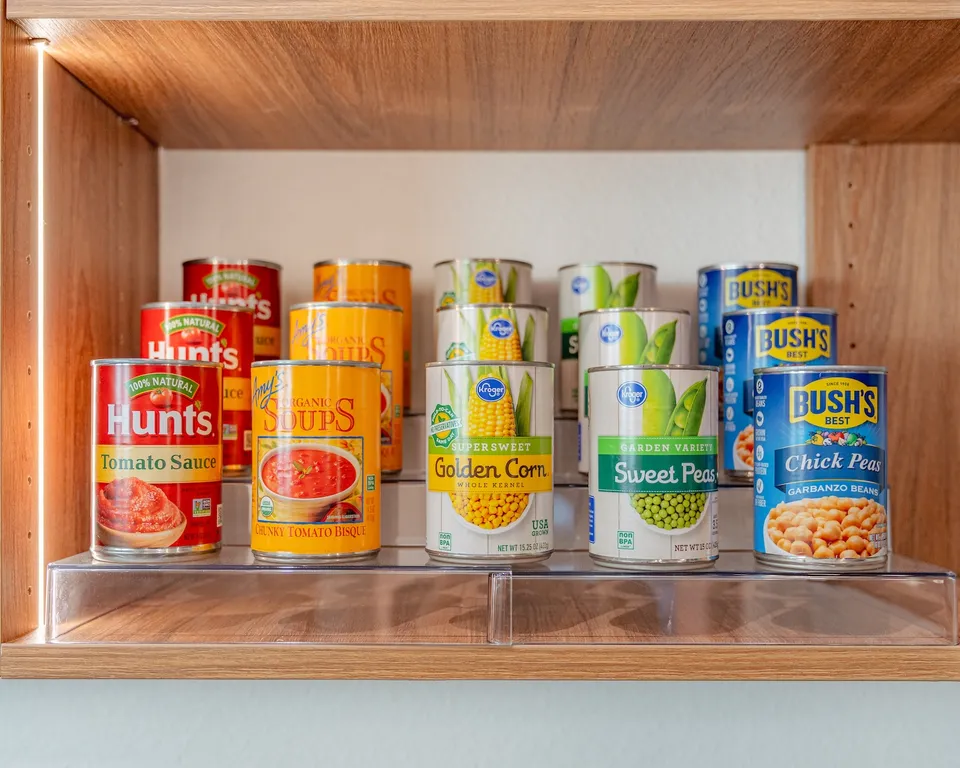
Make put-away the first habit
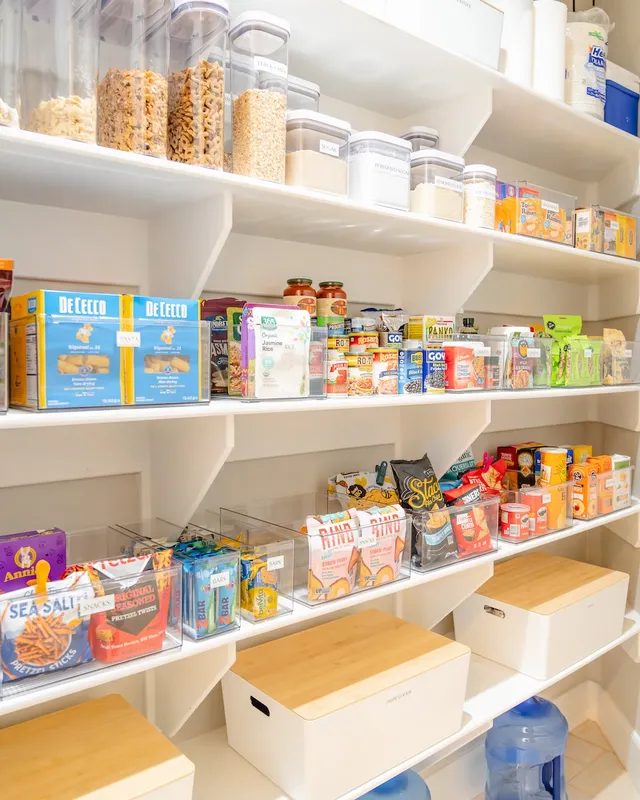
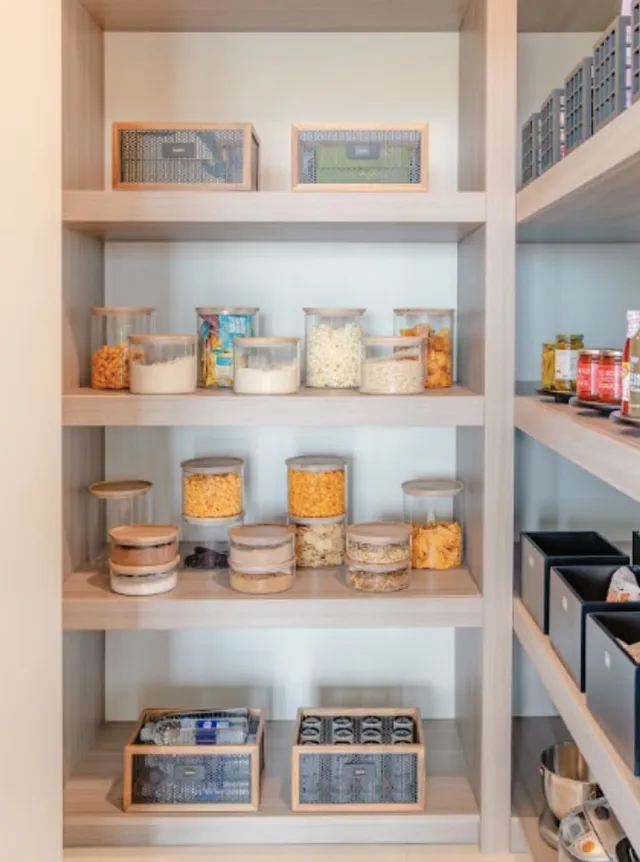
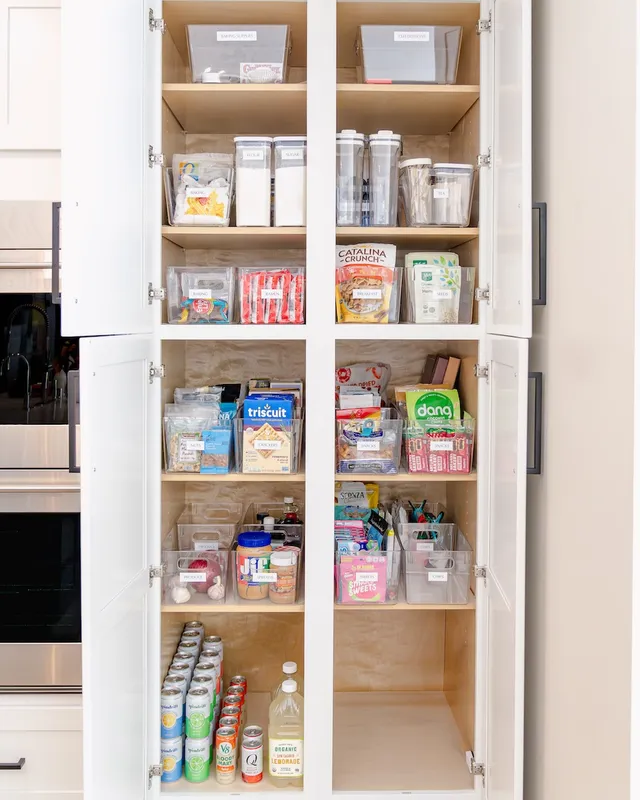
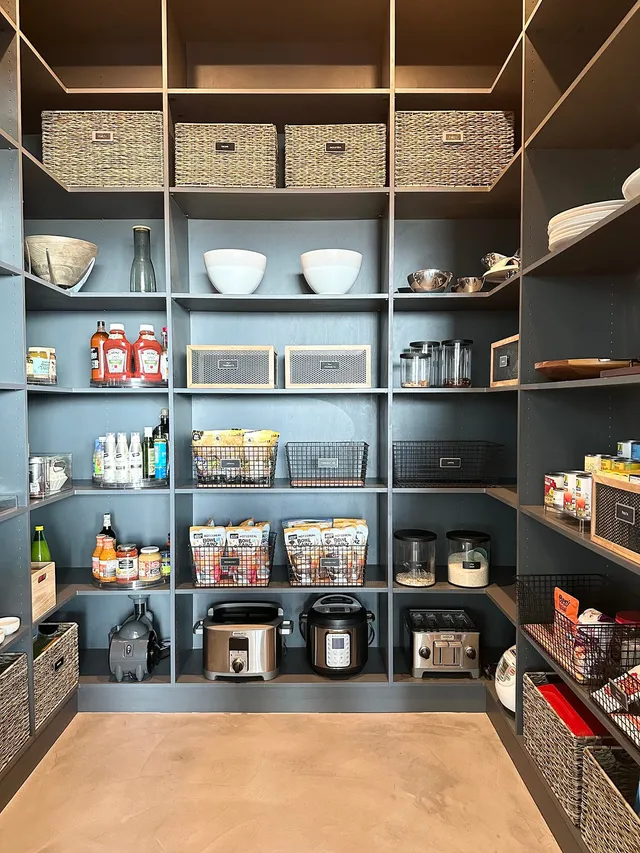
A pantry stays organized when groceries go straight into their zones, not into the nearest open gap. Unload bags on the counter by category, then carry each group to its labeled bin or shelf. It takes two extra minutes and saves the weekend overhaul.
Move older items forward when new ones go in behind them. This first-in, first-out rotation is how restaurants manage food, and it works at home just as well.
Do a ten-minute check before you shop
The pre-shopping scan is the single habit that keeps a pantry under control. Look at each zone, note what is low, check for anything close to its date, and build the list from what you see.
- Scan each bin for items running low
- Pull anything expiring soon to an eat-first bin at eye level
- Write the grocery list from what is missing, not from memory
- Notice any bin overflowing, which means you are overbuying that category
Handle overflow on purpose
Bulk buys and sale stock are where pantries break. Set a backstock limit for each zone, such as one extra of each staple, and keep any true bulk overflow in a separate labeled bin on the top or bottom shelf.
Avoid moving overflow into the garage. In a Las Vegas summer the garage gets hot enough to spoil food and damage packaging; the guide to keeping pantry food fresh in Las Vegas heat has the details.
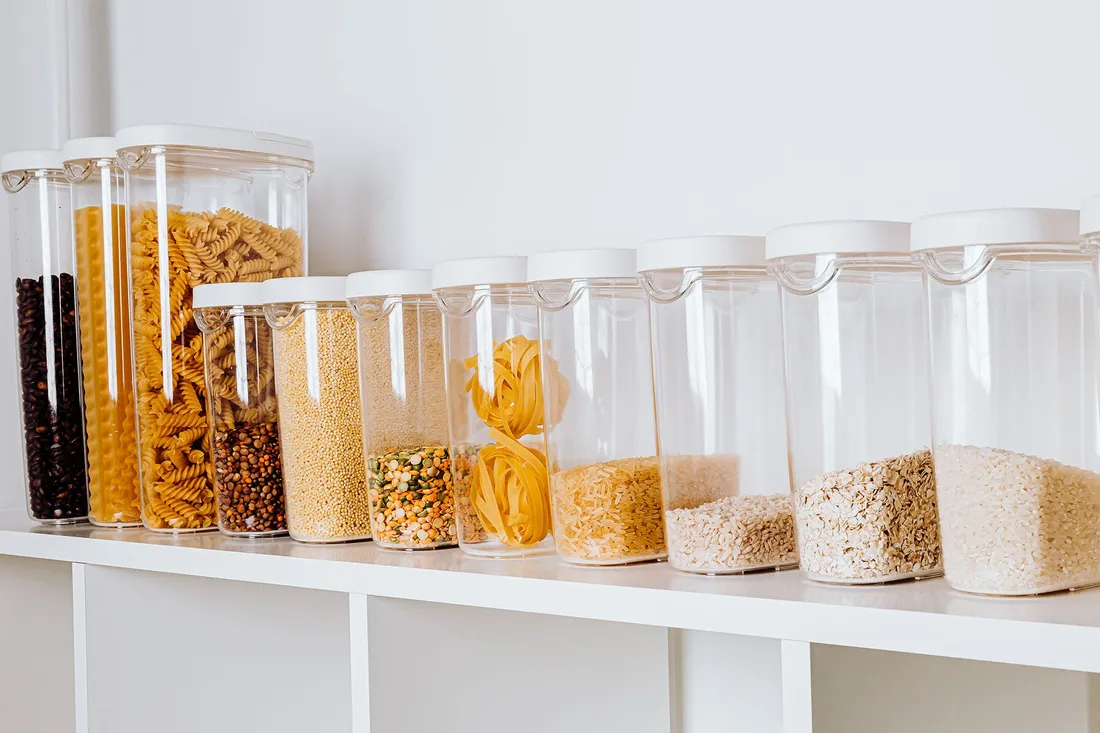
Seasonal deep reset
Every few months, take the pantry down one shelf at a time. Wipe the shelf and bins, since fine dust settles even inside cabinets, check dates on everything and decide if the zones still match how you cook.
Late October is a natural moment in the valley, before holiday baking and hosting. Restock baking supplies, clear space for holiday items and relabel anything that has drifted. Spring is the second natural checkpoint, just before summer, when it pays to look hard at chocolate, oils, nuts and anything else that suffers in a warm house.
| Frequency | Task | Time |
|---|---|---|
| Every shop | Put away by zone, rotate forward | 2 to 5 minutes |
| Weekly | Pre-shopping scan and eat-first bin | 10 minutes |
| Monthly | Tidy each bin, check labels | 15 minutes |
| Seasonally | Shelf-by-shelf wipe, date check, zone review | 1 hour |
Adjust when your household changes
A pantry system is designed around how a family eats. When something shifts, like a new baby, a teenager's growth spurt, a diet change or holiday guests, the zones need to shift too. If a bin is always overflowing or always empty, resize it rather than forcing it. Swap a small bin for a larger one, merge two half-empty zones or give a new category, like protein bars for a teenage athlete, its own labeled spot at the right height.
A maintenance visit can reset the pantry and adjust zones without starting over.