Find out how warm your pantry actually gets
A pantry that shares a wall with the garage, sits on a west-facing exterior wall or is next to the oven can run several degrees warmer than the rest of the kitchen. Put an inexpensive thermometer on a middle shelf for a week in July and you will know.
If the pantry runs warm, that is where you start: the coolest shelf gets the most sensitive food, and the warmest shelf gets cans and sturdy packaged goods.
The garage is never a pantry here
Valley garages commonly pass 120°F in summer. That heat can ruin canned goods, melt chocolate, turn oils rancid, warp plastic packaging and attract pests. Bottled water left in a hot garage is a common habit worth breaking too.
If you need overflow storage, use a hall closet, a cabinet in a cool interior room or a shelf in a casita. Our guide to what not to store in a Las Vegas garage covers the full list.
Step by step
- Measure the temperature
Place a thermometer on a middle shelf for a week during peak heat.
- Map warm and cool shelves
Note which shelves sit against the garage, exterior or oven wall.
- Relocate sensitive foods
Move chocolate, nuts, flours and opened oils to the coolest shelf or the fridge.
- Seal dry goods
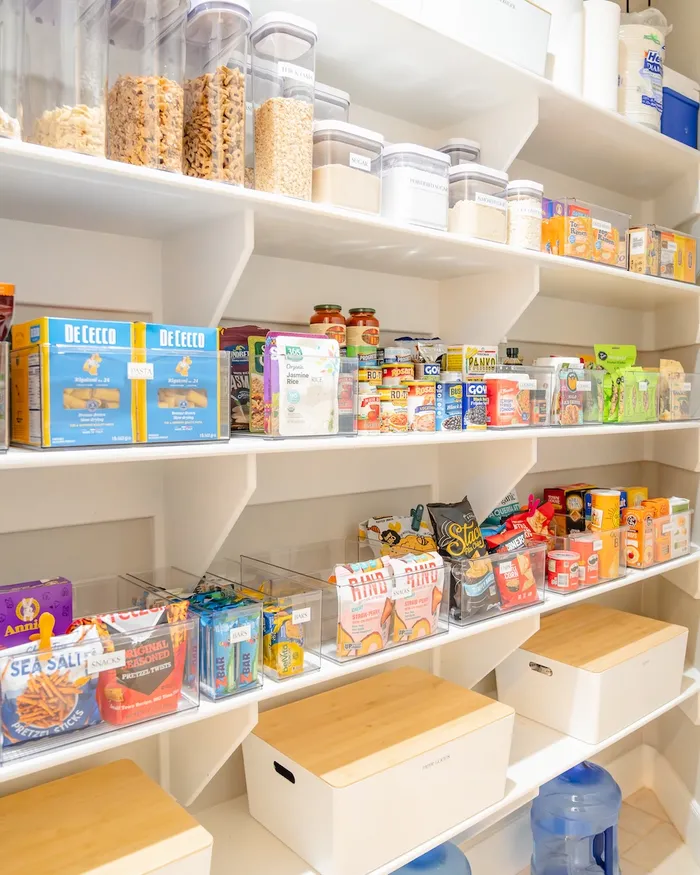
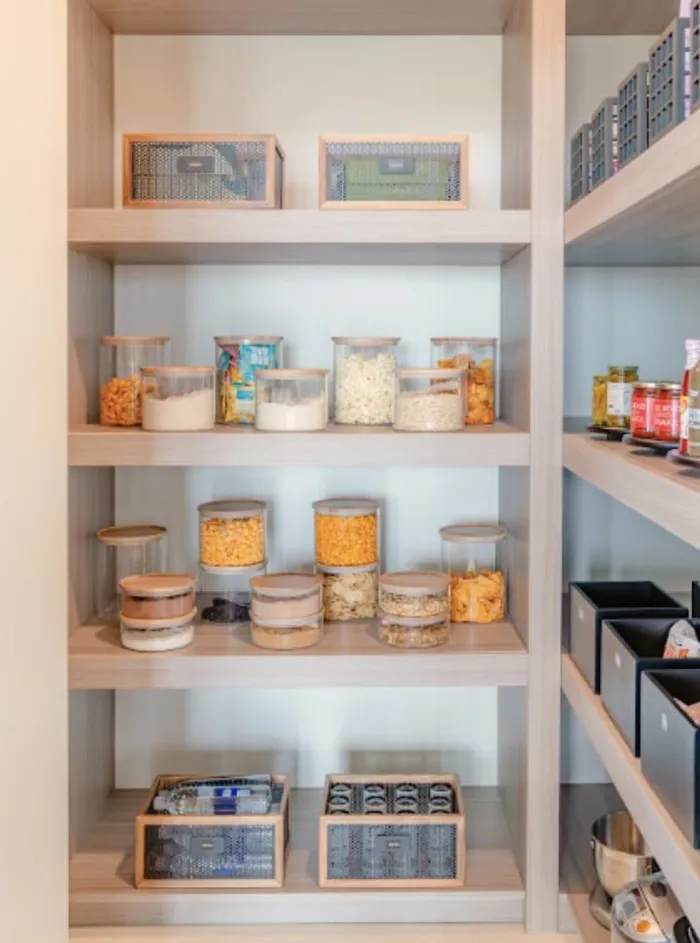
Transfer grains, cereal, sugar and pet food into airtight containers.
- Clear out the garage
Bring any food or bottled water stored in the garage indoors for summer.
Know which foods to refrigerate in summer
Some pantry staples hold up better in the refrigerator or freezer once temperatures climb. Keep them in a labeled bin there so they still feel like part of the pantry system.
| Food | Summer storage |
|---|---|
| Chocolate and chocolate chips | Refrigerator, sealed to avoid odors |
| Nuts and seeds | Refrigerator or freezer in airtight containers |
| Whole-wheat and nut flours | Refrigerator or freezer |
| Opened oils | Coolest dark shelf, or refrigerate if it will be a while |
| Maple syrup and nut butters once opened | Refrigerator, following the label |
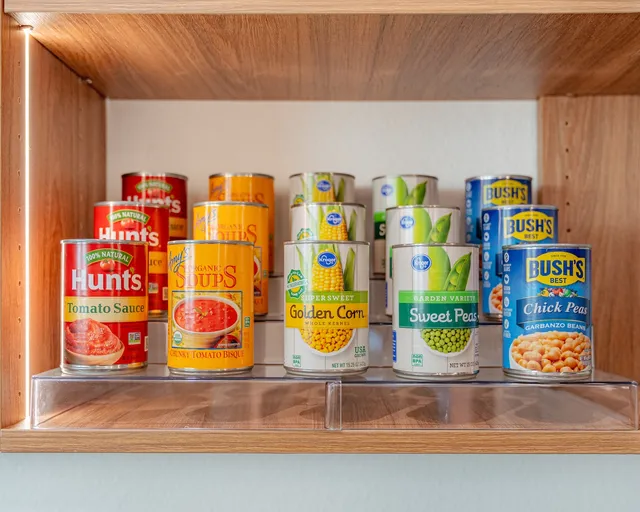
| Cans and boxed pasta | Pantry, away from the warmest wall |
Airtight containers do double duty
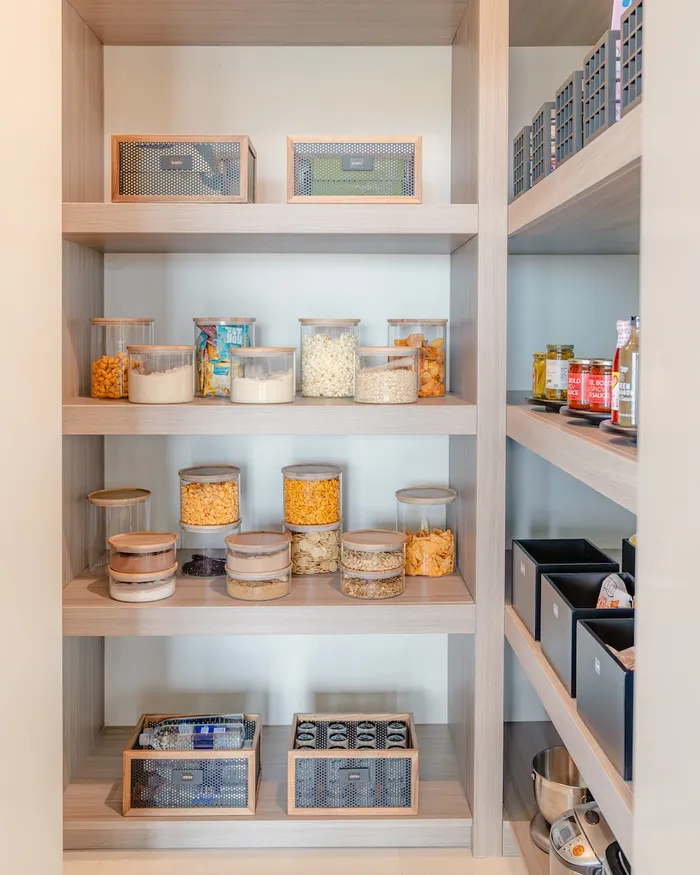
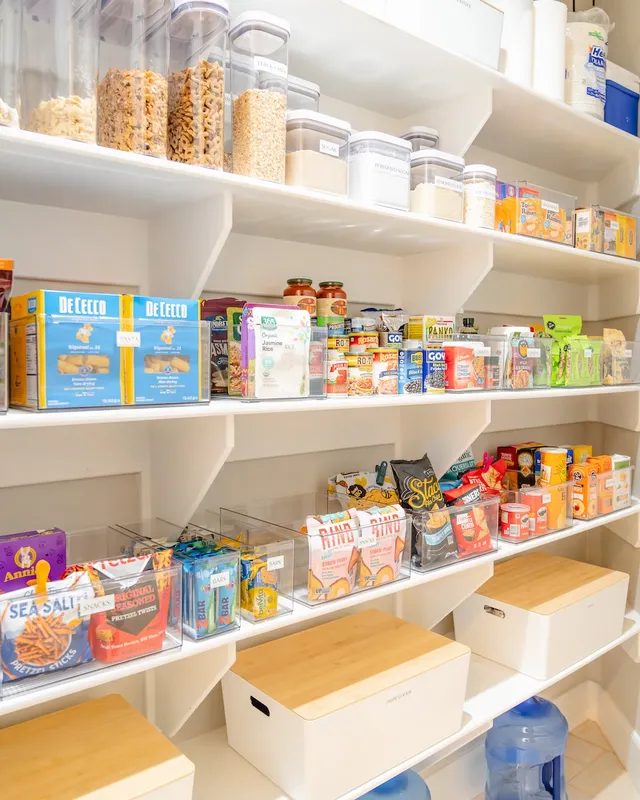
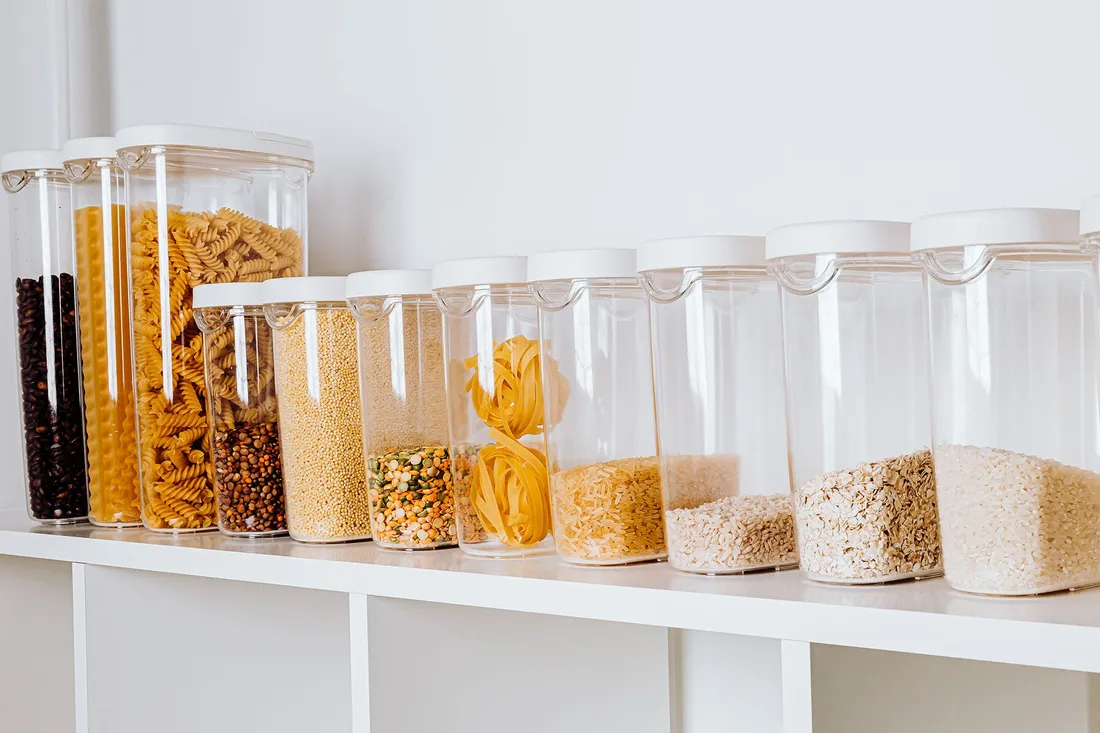
Sealed containers protect against two desert problems at once: pests that are more active in warm months, and extreme dryness that makes brown sugar rock-hard and crackers stale. Gasket-sealed canisters for flour, sugar, rice, cereal and pet food make the biggest difference.
If you are deciding what to transfer, see should you decant pantry items. Keep the best-by date on the back of each container.
Rotate stock and buy closer to need
Heat shortens how long some foods taste their best, so buying huge quantities in summer can backfire. Keep a smaller backup shelf in summer and stock up in cooler months if you like to buy in bulk.
When you put groceries away, place new items behind older ones. A quick look along each shelf during the weekly shop catches anything that has been sitting too long.