Heat is the reason the list is longer here
An attached garage in the valley behaves like an oven with the door shut: west-facing doors, dark roofs and no insulation push the inside air well past the outdoor high on summer afternoons. Things that would survive a garage in Portland or Chicago quietly break down here over one or two summers.
The damage is rarely dramatic. Candle wax slumps, glue lets go on photo albums, plastic bins turn brittle and crack when you lift them in December. Because it happens slowly, most people only notice when they open a box for the holidays.
Move these indoors before next summer
These categories are the ones we most often find damaged in valley garages. Give each one a spot inside the air-conditioned house, even if that spot is a high closet shelf or the back of a guest-room closet.
- Candles, crayons, wax melts and lip products: they soften and deform at garage temperatures.
- Wine, liquor, olive oil and soda: heat cooks wine and can swell or burst cans.
- Photos, scrapbooks, important papers and kids' artwork: heat and dryness curl prints and break down adhesive. See our photo and memorabilia organizing page for indoor options.
- Electronics, spare laptops, gaming consoles and lithium batteries, including power-tool packs and e-bike batteries: heat shortens battery life and raises fire risk.
- Makeup, skincare, sunscreen and medicine: most labels ask for room-temperature storage.
- Canned goods, pet food, bottled water and bulk paper goods: food quality drops and pests find cardboard.
- Vinyl records, film, VHS tapes and musical instruments: warping and glue failure are common.
- Upholstered furniture, mattresses and rugs: they trap dust and attract pests in a hot, dark corner.
Step by step
- Walk the garage with a bin and a marker
Pull anything from the do-not-store list into one staging bin so you can see the full volume.
- Toss what heat has already ruined
Warped candles, swollen cans, cracked plastic and faded photos you have duplicates of can go now.
- Assign each category an indoor home
Pick one closet shelf or bin per category and label it before you carry anything in.
- Reset what stays
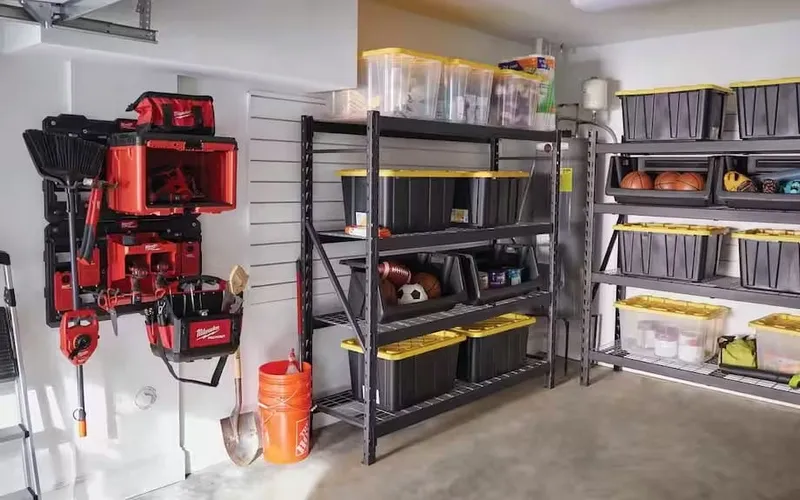
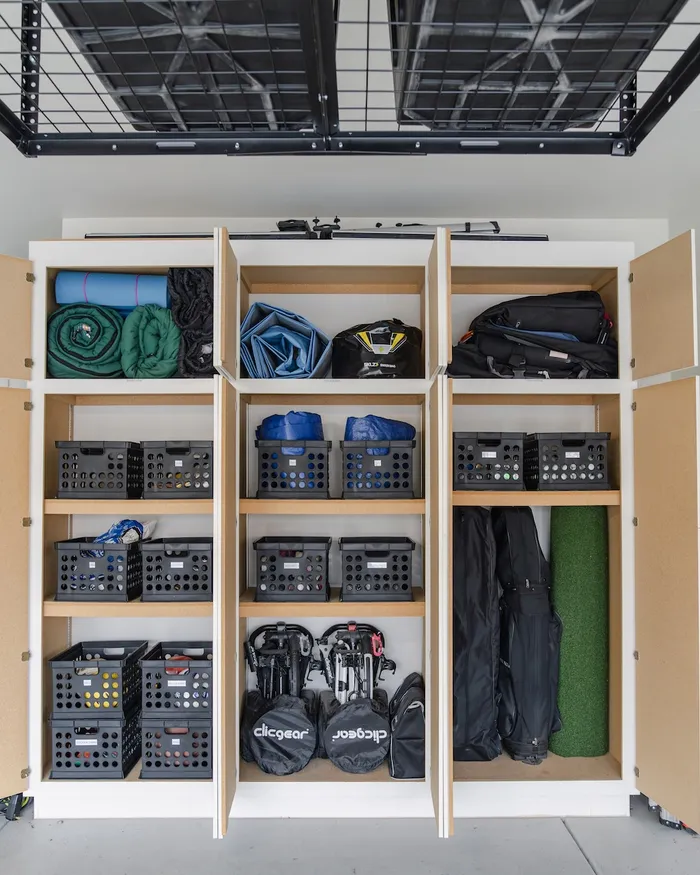
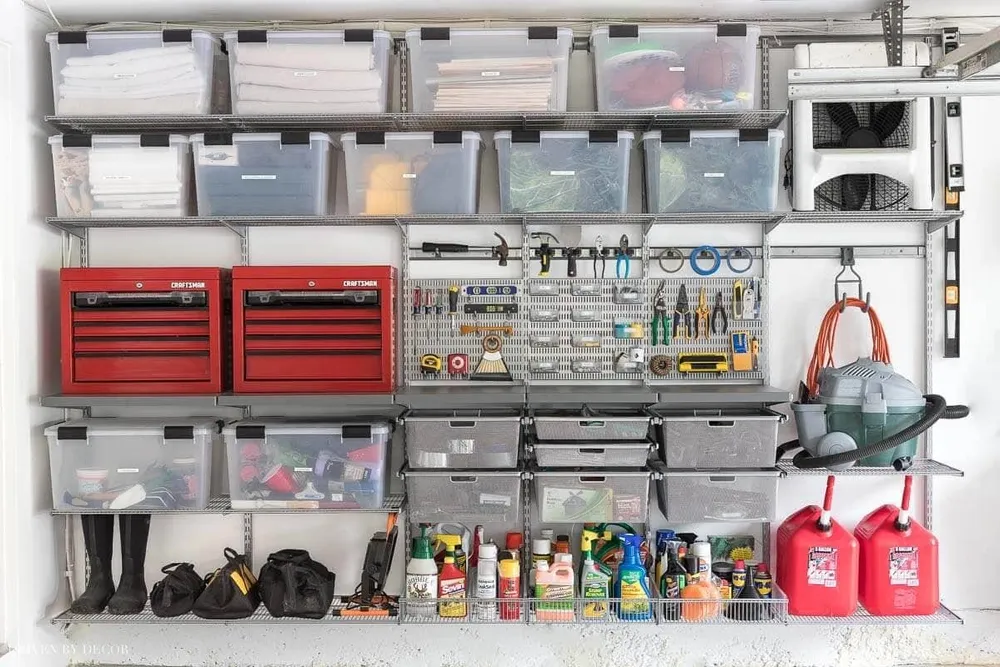
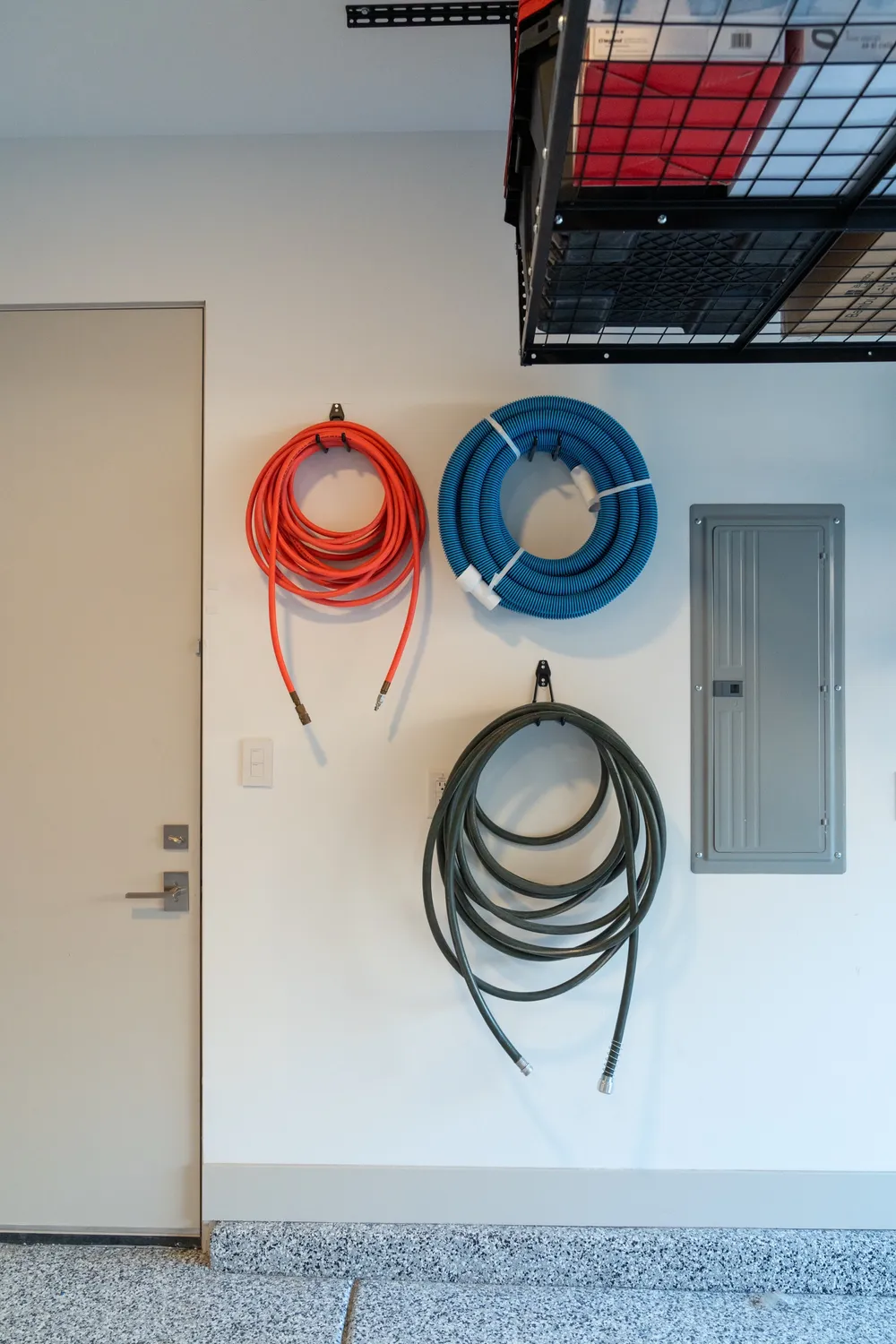
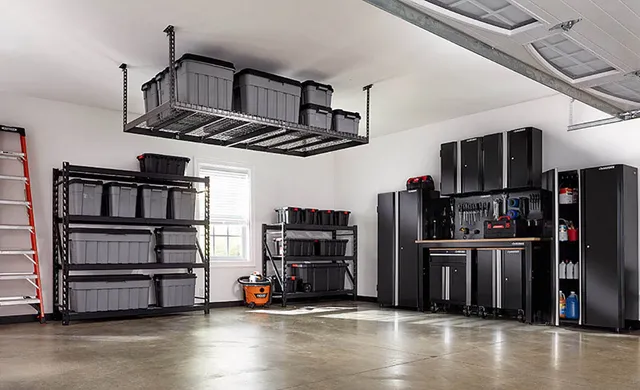
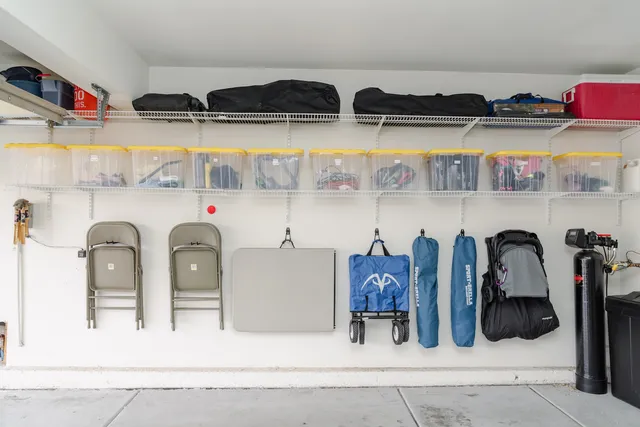
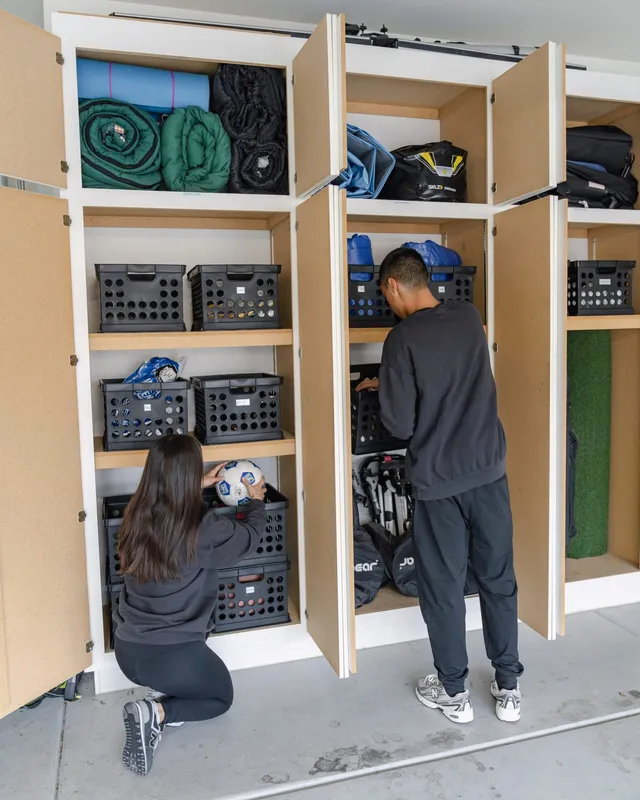
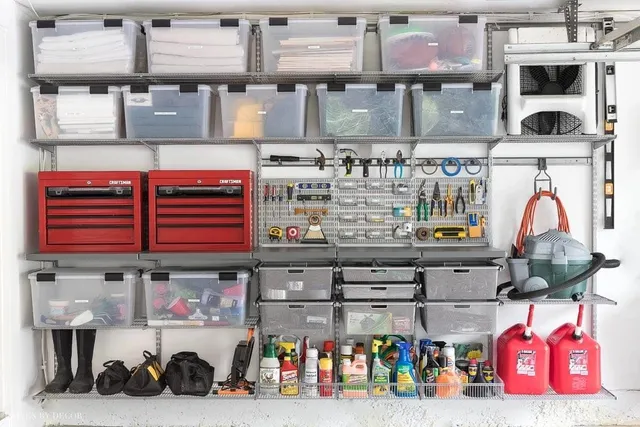
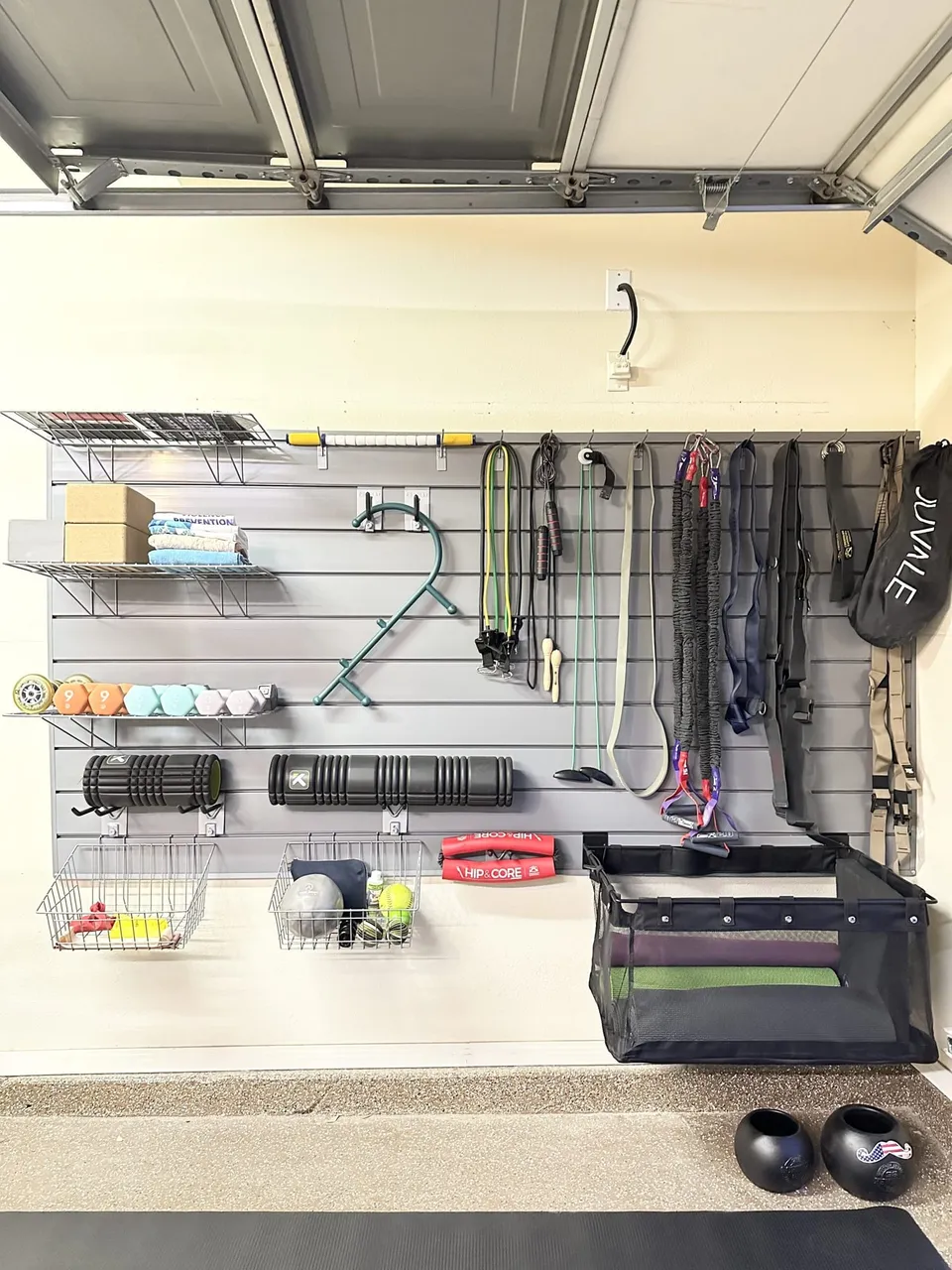
Group the heat-safe items into zones on the walls and shelves so floor space opens up.
What can safely stay in the garage
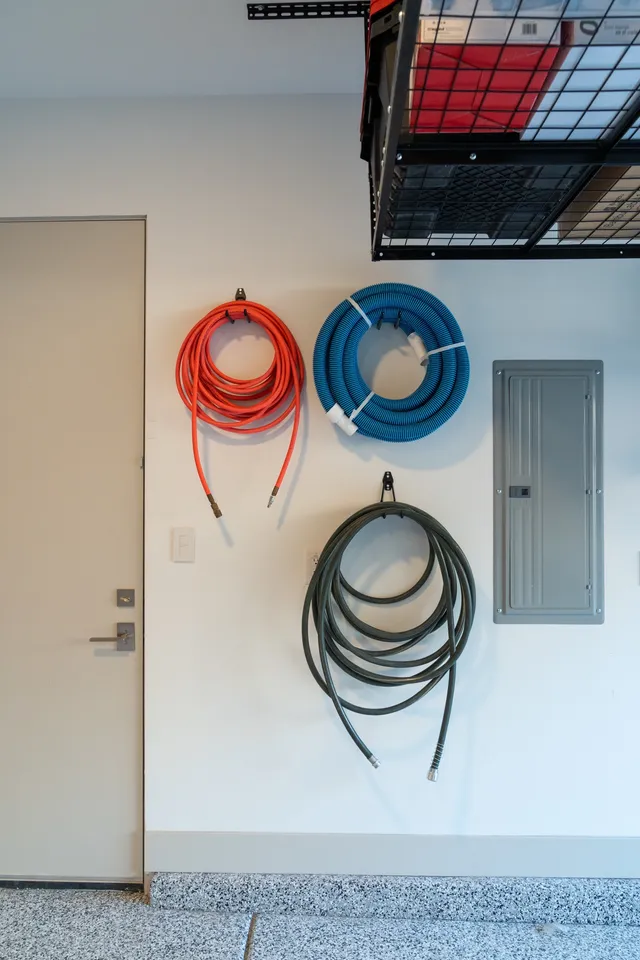
Plenty of things are built to handle heat, and the garage is still the right home for them. Metal hand tools, garden tools, ladders, bikes, coolers, camping gear made of metal and nylon, sports balls, pool floats and patio cushions in sealed bins all do fine.
Holiday décor is a middle case. Glass ornaments, metal wreath frames and outdoor lights can stay, while anything wax, glued or fabric-heavy does better inside. Our guide on storing holiday decorations in a hot garage sorts the categories in detail.
| Category | Garage? | Better spot |
|---|---|---|
| Hand and garden tools | Yes | Wall panel or labeled drawers |
| Bikes, scooters, sports balls | Yes | Wall hooks or a rolling cart |
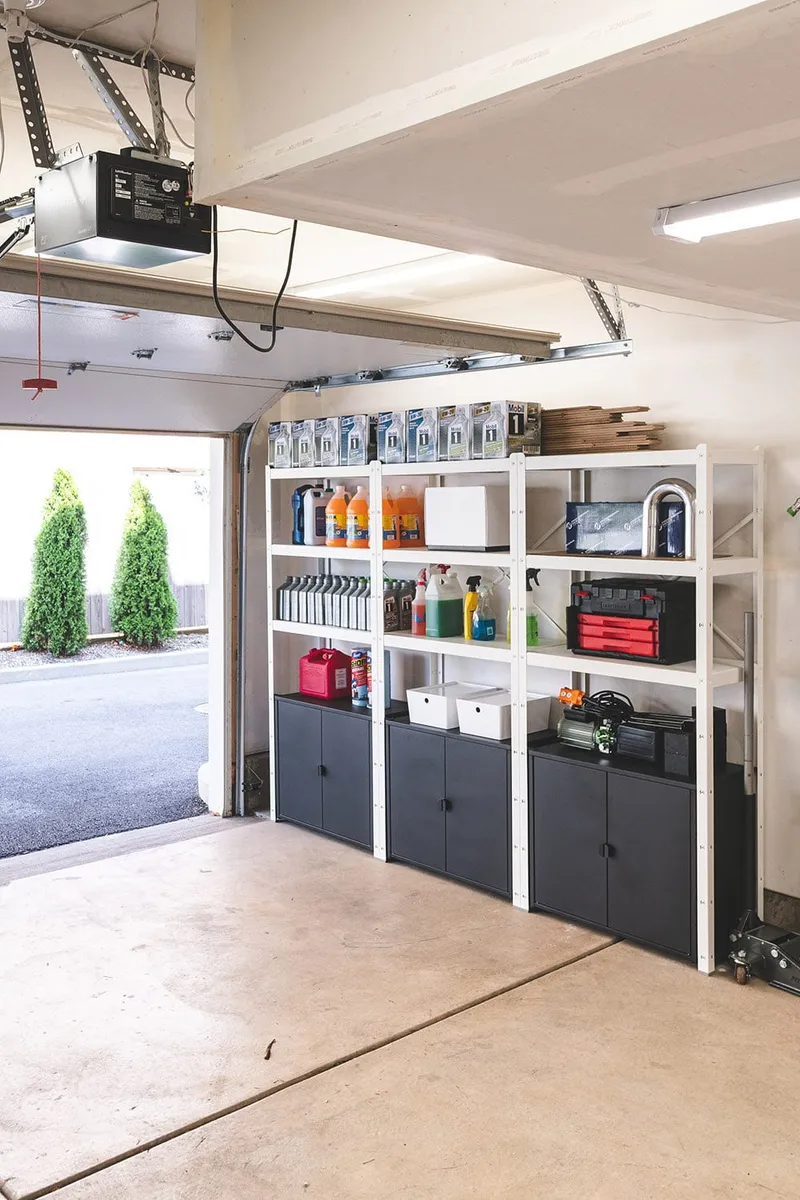
| Paint and chemicals | Limited, small amounts | Closed cabinet off the floor, away from the water heater |
| Wine and beverages | No | Interior closet or beverage fridge |
| Photos and documents | No | Interior closet in archival boxes |
| Batteries and electronics | No | Indoor drawer or bin |
Paint, fuel and propane need their own rules
Chemicals are the one category where heat is a safety issue, not just a quality one. Keep only what you will use within a season, stored in original containers, tightly closed, on a shelf or cabinet off the slab and away from any water heater, furnace or other ignition source.
Propane cylinders should live outdoors, upright and shaded, not inside the garage. For leftover paint and solvents you no longer need, use your local household hazardous waste program instead of keeping them for years. We walk through the details in storing paint and chemicals in desert heat.
Where the displaced items go inside
The hardest part of this list is not knowing what to move, it is finding room for it indoors. Start by editing: most garages hold expired paint, duplicate tools and boxes from the last move that never got opened.
Then claim one interior zone for overflow, such as the top shelf of a coat closet for batteries and spare electronics, or a bin under a guest bed for archival photo boxes. A labeled spot makes it far more likely things stay put.