Think in a flow: display, inbox, sort, keep
Kids' art arrives daily, so storage alone never works. A flow moves each piece through four stops. New art goes on display or in an inbox. Once a month, you sort the inbox together. The best pieces go into a keepsake box, and the rest are photographed and recycled.
This keeps the volume under control without anyone having to make a decision on the spot when a child proudly hands over a painting.
| Stop | Where | How long |
|---|---|---|
| Display | Wall rail, clipboard or frame | A week or two |
| Inbox | Flat tray or magazine file | Up to a month |
| Sort | Kitchen table with your child | Monthly, 15 minutes |
| Keep | Flat keepsake box per child per year | Long term |
Give art a display spot that rotates
Kids love seeing their work up, and display time is often all a piece needs. Use a wire with clips, a row of clipboards, a corkboard or a few easy-open frames that swap art quickly.
Choose a wall out of direct afternoon sun, since strong Las Vegas light fades marker and paint fast. Swap pieces every week or two and move the old ones to the inbox.
Sort monthly, together
Let your child pick favorites. Ask which pieces they are proudest of or which tell a story. Kids are often less attached than parents expect, and involving them builds decision-making skills.
Keep a few pieces per month at most. Write the date and the child's age on the back of each keeper before it goes in the box.
- Keep: pieces with a story, a milestone or a first
- Photograph: pieces you like but do not need to keep
- Recycle: worksheets, repeats and unfinished sketches
- Share: send a few to grandparents
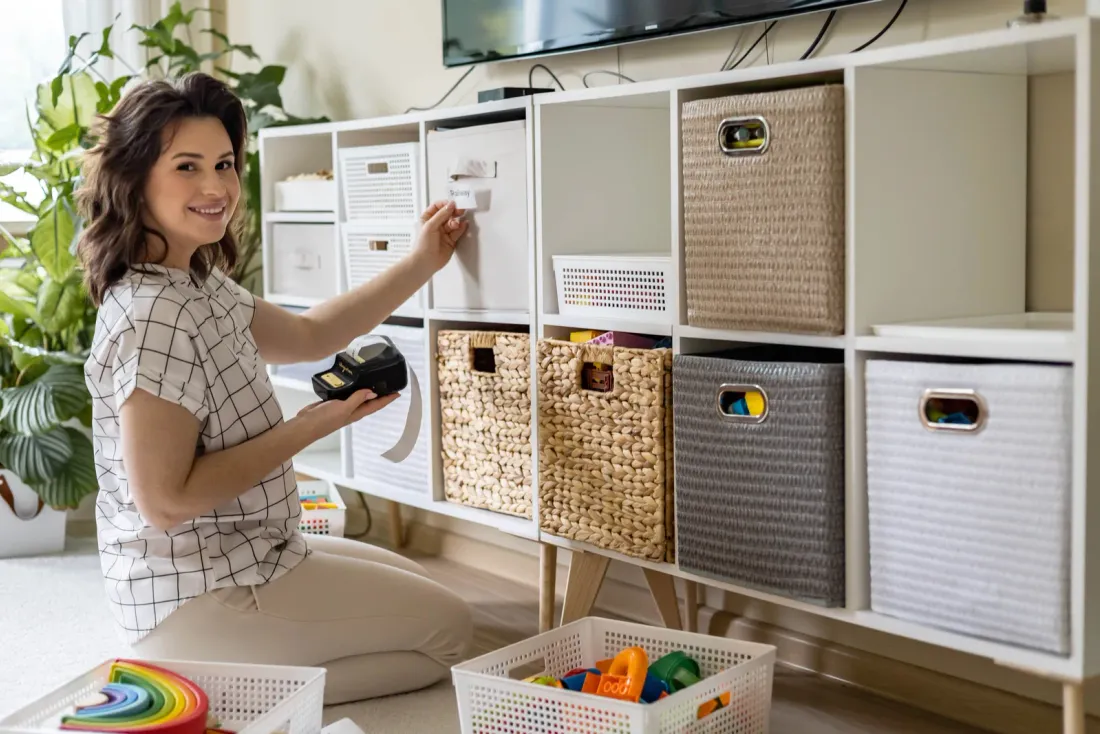
Store keepers flat, labeled and indoors
Use a flat, acid-free art portfolio or a large lidded box per child per school year. Flat storage prevents creases, and acid-free materials keep paper from yellowing.
Store boxes in an interior closet, never in a hot garage, where heat can fade colors and make crayon and glue soften. Label the end with the child's name and year. Large 3D projects can be photographed with the child holding them, then let go.
Turn photos into something you will use
Photographing art saves space and makes it easy to share. Use a phone and a plain background, and save photos in a folder per child per year.
At the end of each year, many families turn the photos into a printed book. A slim book takes up a fraction of the space of the originals and gets looked at far more. The photos and keepsakes guide covers the bigger picture.