Design for the shortest person who uses it
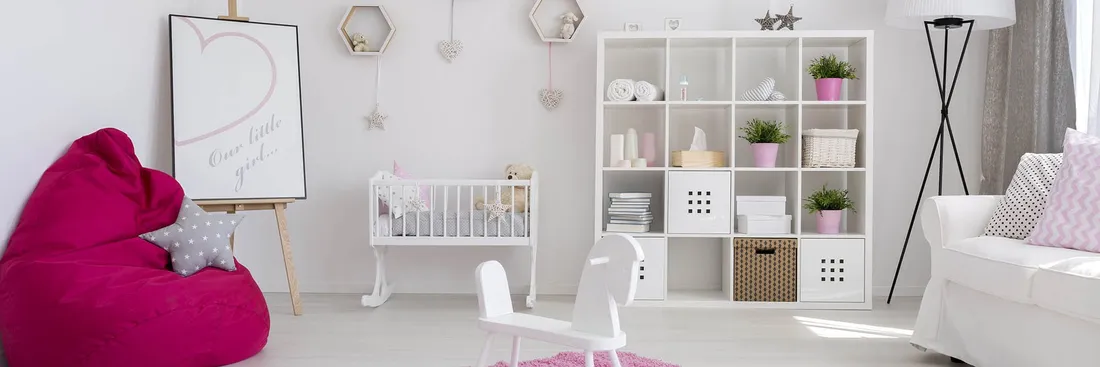
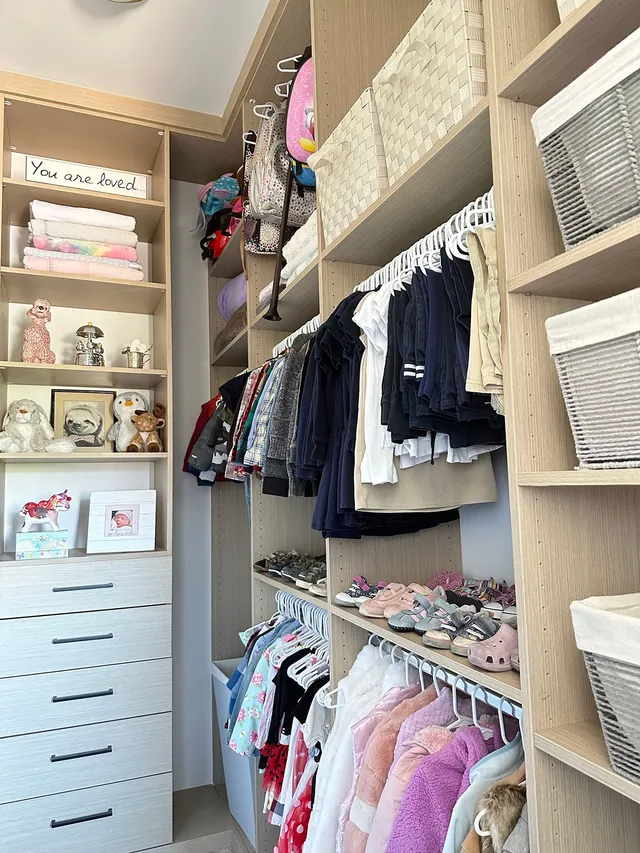
Kids put things away when they can reach the spot and see where it goes. Put their daily items on the lowest shelves and hooks, and move adult or fragile things up. A step stool in the bathroom and kitchen lets kids help themselves to a cup or toothbrush.
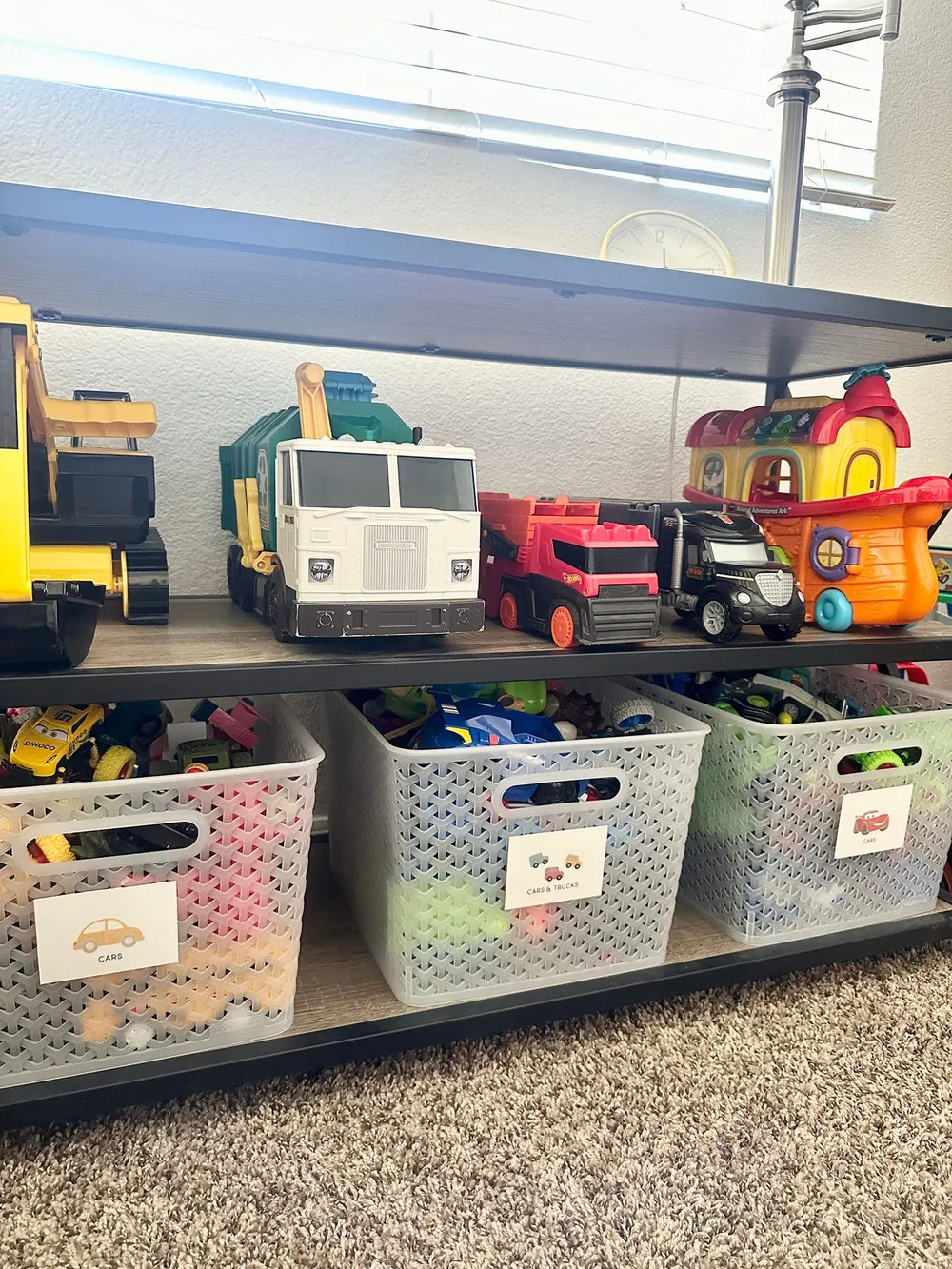
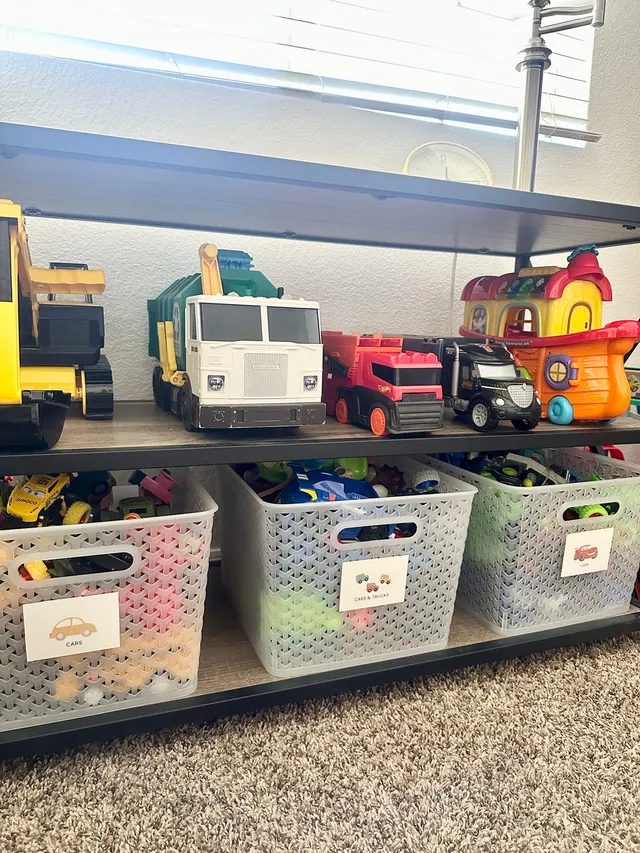
Use open bins rather than lidded boxes, and add a picture label alongside the word. Pre-readers can match a photo of blocks to the block bin long before they can read.
Own fewer things out at once
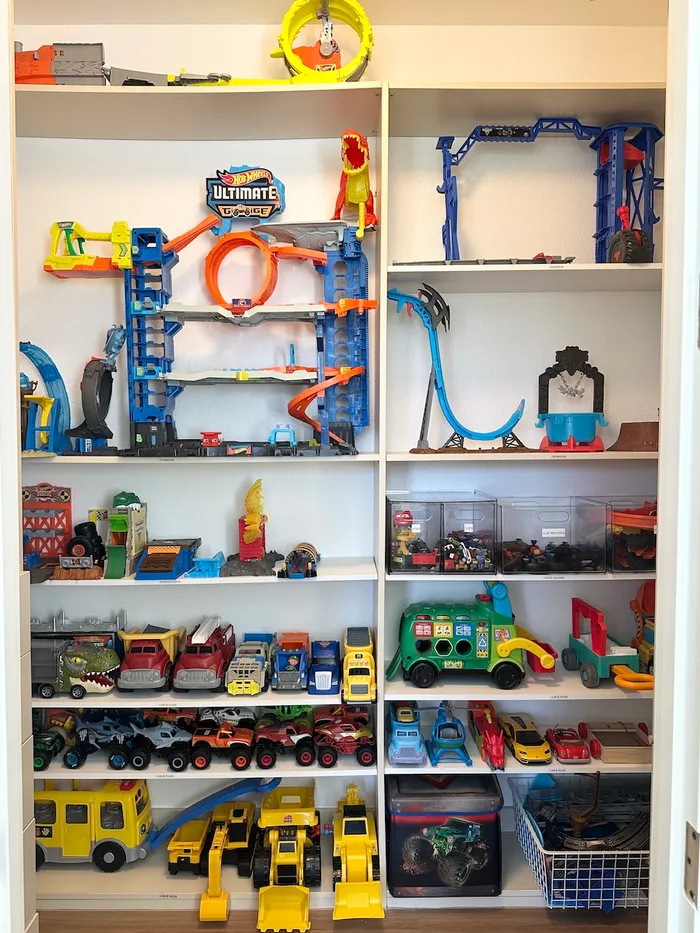
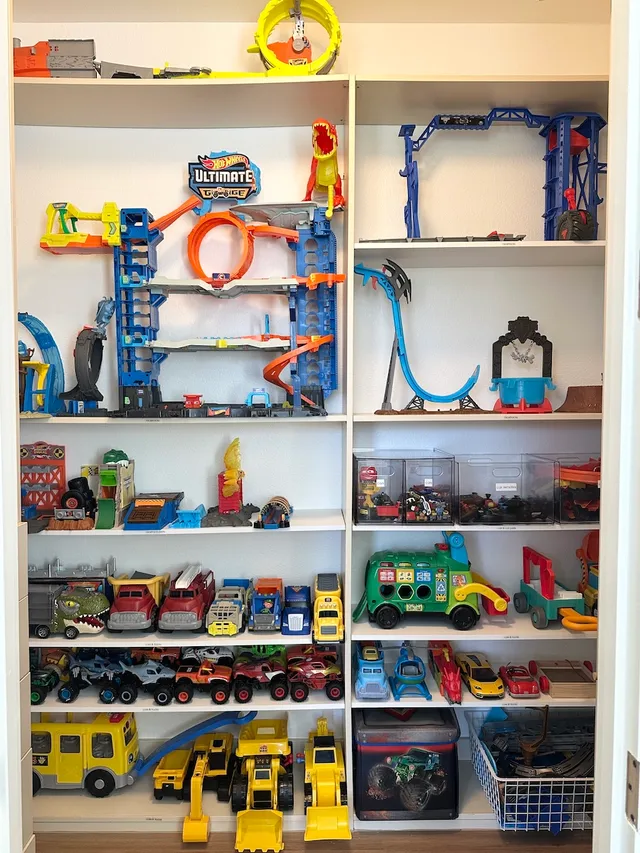
Less in circulation is the biggest lever a family has. Rotating toys keeps them interesting and cuts cleanup time; store the rest in labeled bins in a closet and swap every few weeks.
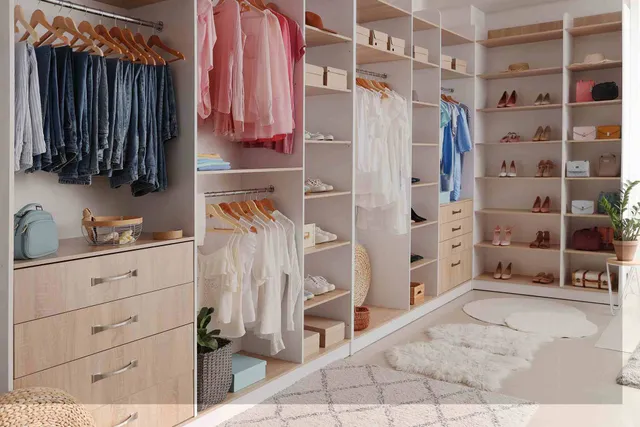
Clothing works the same way. Kids grow quickly, so keep only the current size in the dresser and store the next size up in one bin. The baby clothes by size guide explains a simple system that carries through childhood.
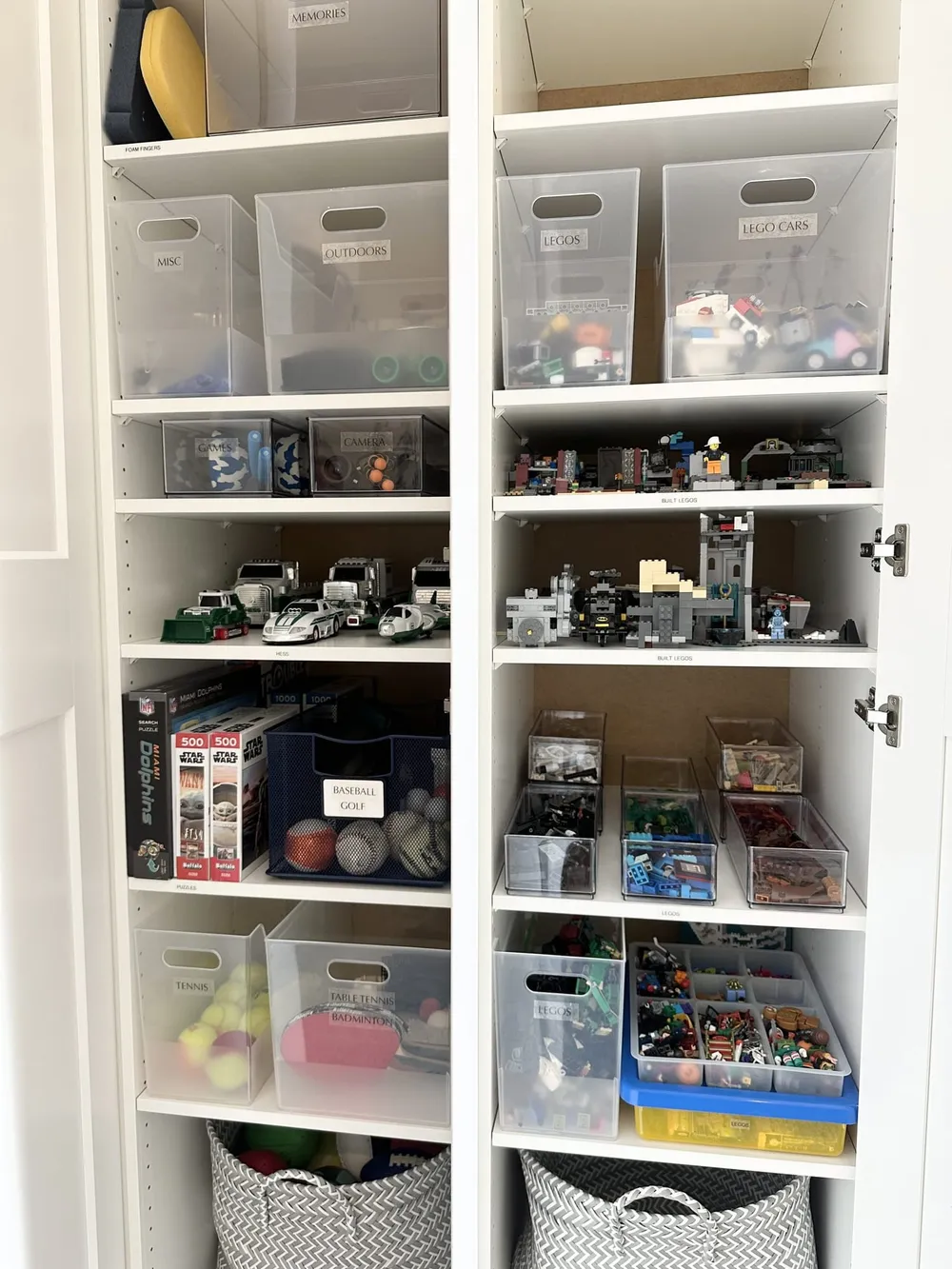
- Toys: one bin per category, a rotation shelf in a closet
- Clothes: current size only, outgrown items in a donate bag
- Art and paper: a monthly sort into keep and photograph
- Gear: a bin per sport or activity by the exit
Give the entry a landing zone
Most of the daily chaos enters through one door, often the garage door in Las Vegas homes. Put a hook per child, a shoe bin, a basket for water bottles and sunscreen and a slot for school papers right there.
Pair it with a family command center so forms, calendars and permission slips have one place to land rather than covering the kitchen counter.
Keep shared rooms working for adults too
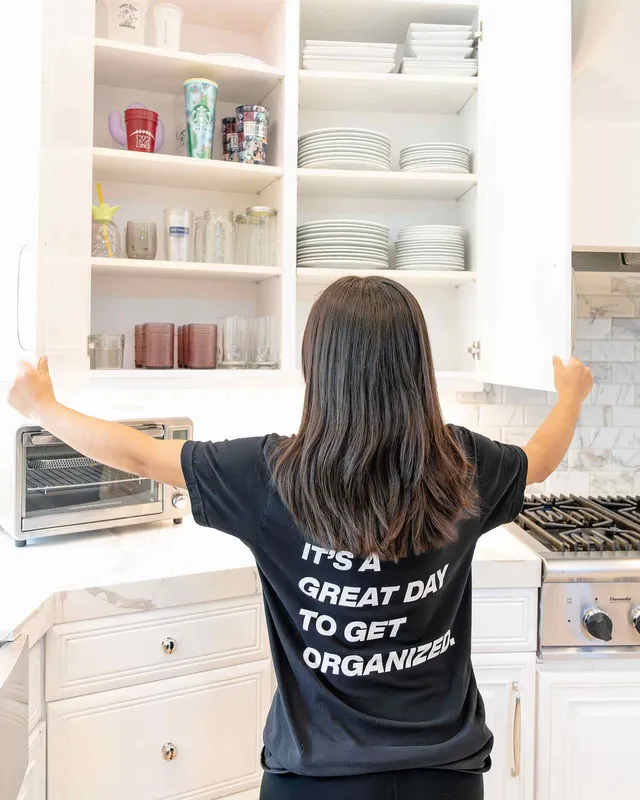
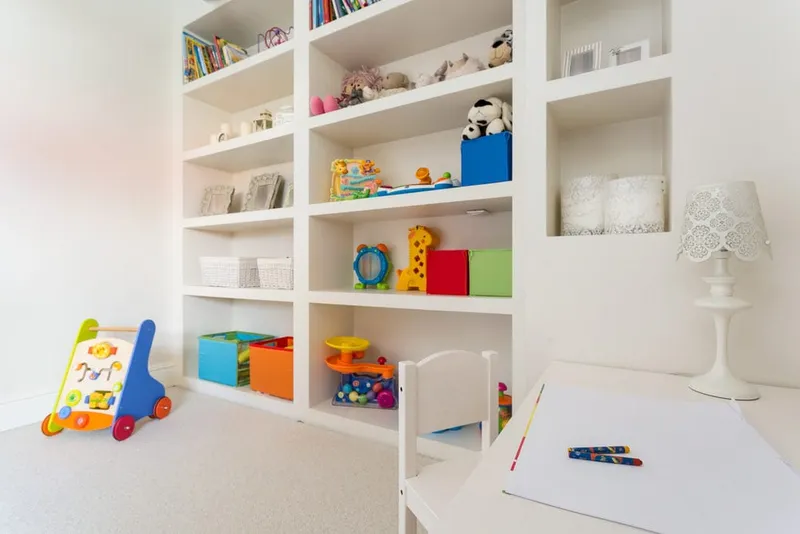
Family rooms and kitchens have to work for everyone. Give kids one low cabinet or drawer in the kitchen for their plates, cups and snacks, and one basket in the living room for the toys they bring in. At the end of the day, the basket goes back to the playroom.
That boundary keeps the adult spaces calm without banning kids from them. The playroom guide covers the destination.
Run a family reset, not a parent reset
A ten-minute evening reset with everyone helping beats an hour of a parent cleaning alone. Set a timer, play a song and give each child one zone. Make it a routine, not a punishment, and finish with something everyone enjoys, like a story or dessert, so the reset marks the end of the day rather than a chore.
Valley summers mean kids are home more, with swim gear and extra snacks spreading through the house. Add pool towels and swim bags to the reset list from May through September, and move them out of the main living space with a hook by the back door.