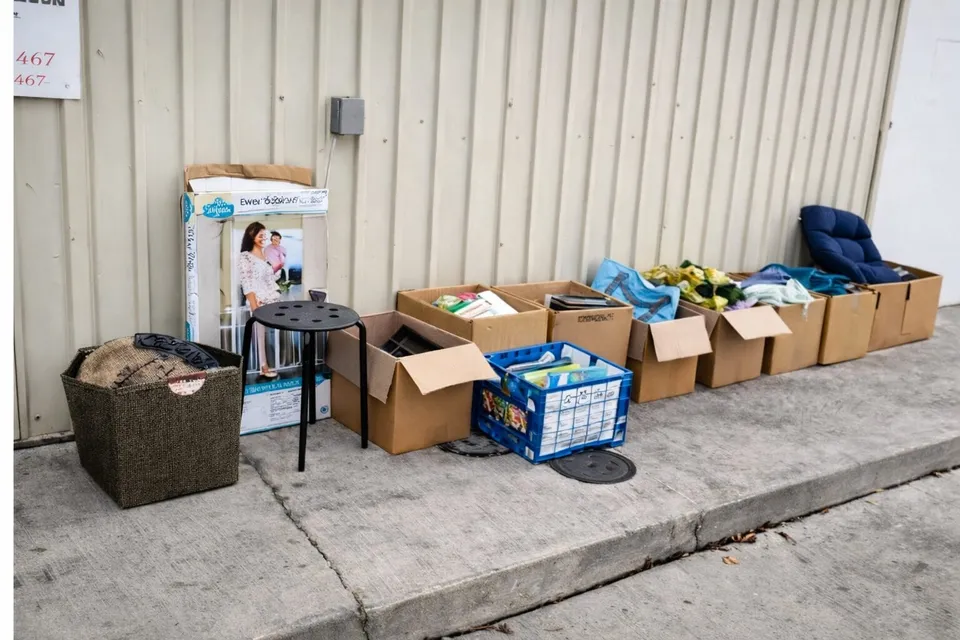
Why three piles work better than a dozen
Every extra category is one more decision per item, and decision fatigue is what stops most decluttering projects. Three groups are simple enough that you can sort a full drawer in a few minutes.
Some people add a fourth pile for selling, and a basket for items that belong in another room. Those are fine, as long as they stay small and get handled the same week.
The questions that settle each pile
When you are unsure, run the item through a short set of questions. The answers usually point clearly to one pile.
| Pile | Ask yourself | Typical examples |
|---|---|---|
| Keep | Have I used this in the last year, or do I genuinely love it? | Daily dishes, clothes that fit, tools you reach for |
| Donate | Is it clean, complete and working, but not right for me? | Outgrown kids' clothes, spare lamps, extra serving pieces |
| Discard | Is it broken, stained, expired or missing parts? | Cracked containers, old cosmetics, single socks, dried paint |
Step by step
- Pick one category
Choose something contained, like the coffee mugs or the hall closet coats.
- Pull it all out
Empty the shelf or drawer so you can see everything together.
- Sort each item once
Handle every item a single time and place it in keep, donate or discard.
- Put keepers back by use
Return keepers with the most-used items in front, at easy reach.
- Remove the other piles
Take trash out and donations to the car before you move on.
Set up the sorting zone before you start
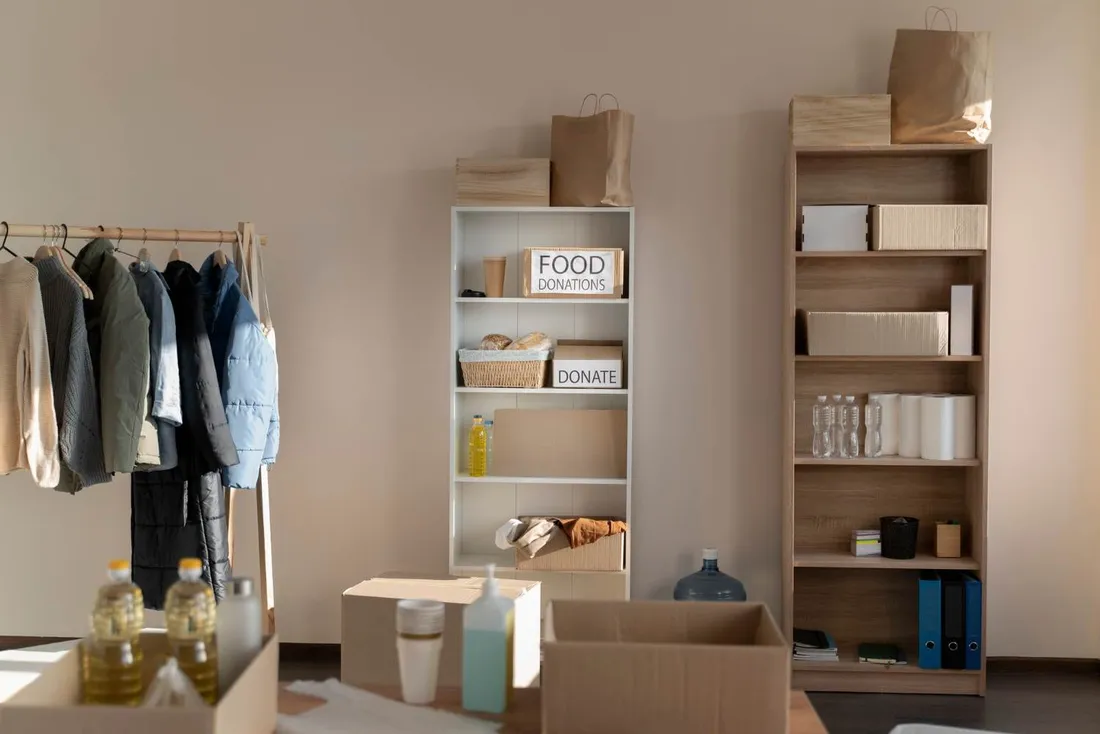
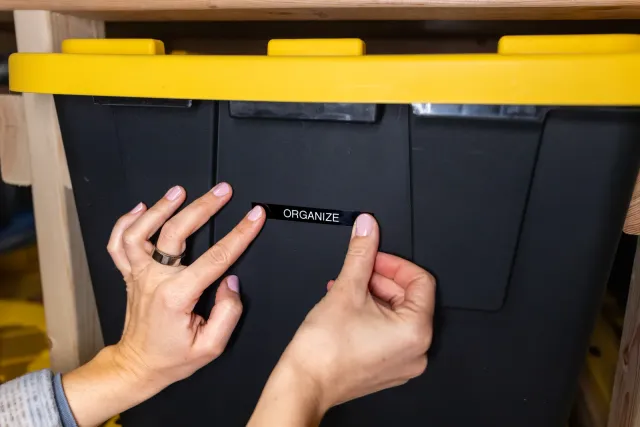
Label three containers clearly, such as a bin for keep, a bag for donate and a trash bag for discard, and place them side by side. Pull out one category at a time, never the whole room, so the space never gets more chaotic than you can handle in one session.
In a Las Vegas garage, schedule sorting for the cooler months, roughly mid-October to April. Heat-damaged items, such as warped plastic, melted candles and swollen cans, go straight to discard.

Handle the gray areas without stalling
Sentimental items, gifts and expensive purchases cause the longest pauses. If you cannot decide in about ten seconds, put the item in a small maybe box, tape it shut and write a date three months out. If you have not opened it by then, the decision is made.
Do not let cost be the deciding factor. The money was spent when the item was bought, and keeping something you do not use does not get it back. For selling options, see how to sell unwanted items in Las Vegas.
Finish every session the same way
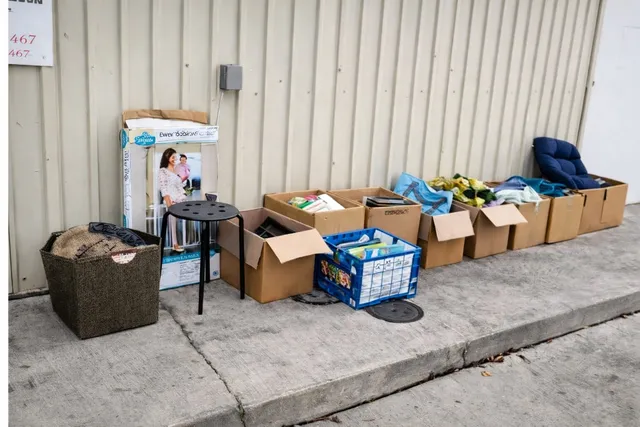
Put the keep pile away, carry the discard bags to the bin and load the donate bags into the car. Check the current accepted-items list before you drive; our guide on where to donate household items in Las Vegas lists well-known options.
Then look at the space you created. Seeing a cleared shelf is what makes the next session easier to start.