Begin with the rooms you touch every day
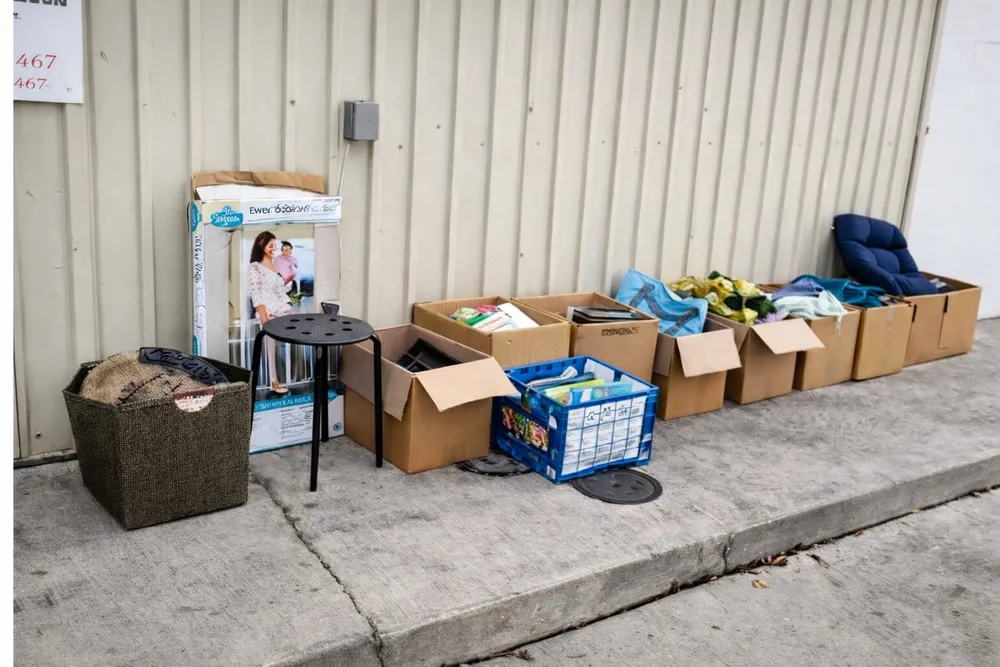
The kitchen, primary closet and main bathroom give you the fastest payoff, so they belong at the top of the list. You open those drawers a dozen times a day, which means every item you remove makes tomorrow morning easier.
Save the garage, guest room and any casita for later. Those spaces hold the hardest decisions, and you will make them faster once you have built some momentum in the smaller rooms.
Kitchen and pantry: clear expired food and duplicate tools first
Food with a date is the easiest decision in the house, so the pantry is a confidence builder. Duplicates are the second quick win, especially if you merged two households or moved here from California with a full kitchen.
- Expired spices, snacks, sauces and baking supplies
- Stale crackers and cereal that the dry desert air has not been kind to once opened
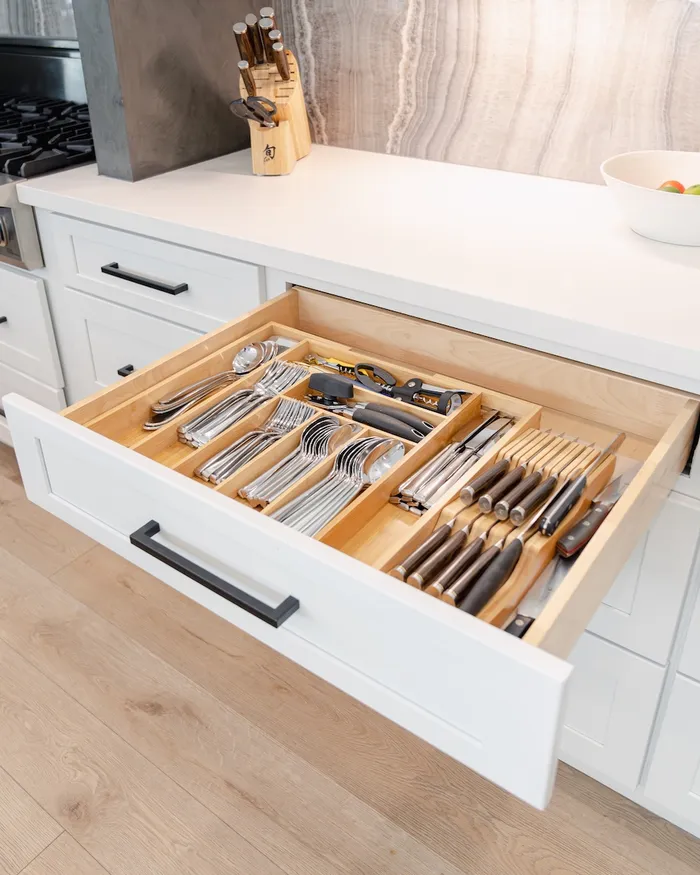
- Duplicate spatulas, can openers, measuring cups and peelers
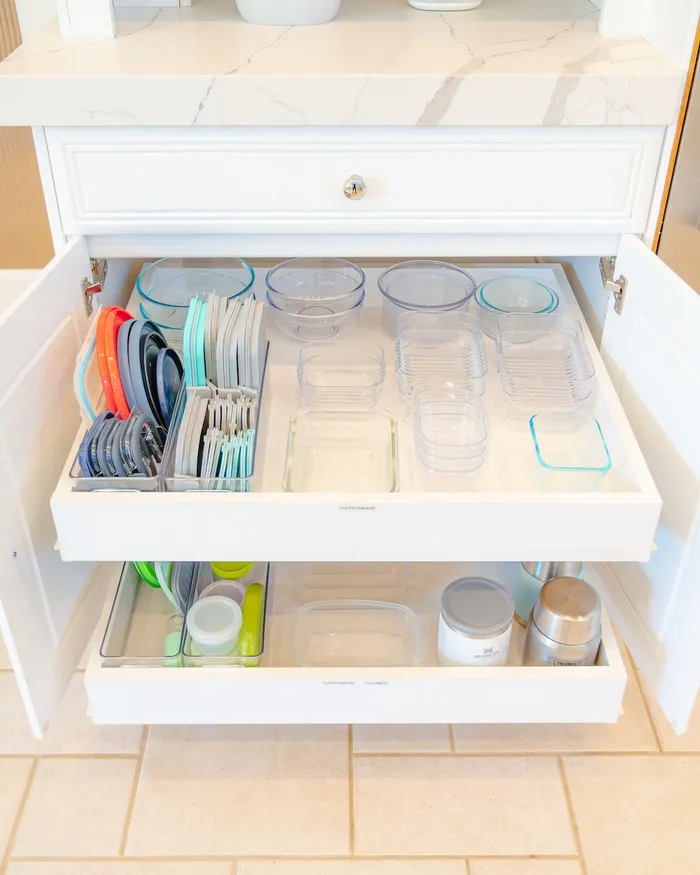
- Food storage containers with no matching lid
- Small appliances you have not plugged in for a year
- Mugs and water bottles beyond what your household actually uses in a week
Step by step
- Pick one room and one hour
Choose the room that bothers you most and set a timer. A defined window keeps you from pulling apart three rooms at once.
- Stage three containers
Bring a donate bag, a trash bag and a basket for things that belong in another room. Nothing leaves the room you are in until the timer ends.
- Work the list top to bottom
Go through the checklist for that room in order, checking off each category so you can pick up where you left off.
- Get the bags out before you stop
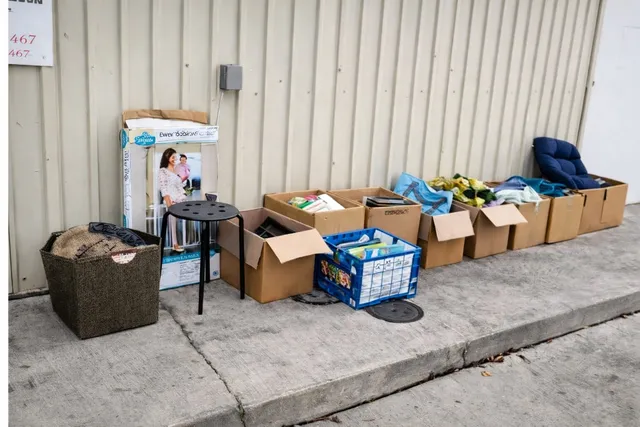
Put donations in your car and trash in the bin before you stop. Items left in the hallway tend to drift back.
Closets and bedrooms: edit for the climate you live in now
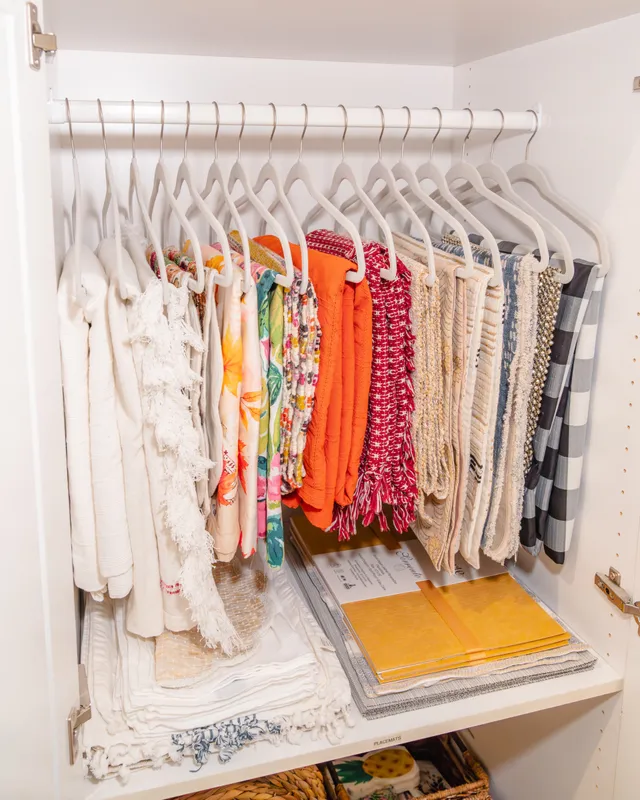
Las Vegas winters are short and mild, so most homes need far less cold-weather clothing than people bring with them. Keep a small rotation of jackets and layers, and let the rest go to someone in a colder place. Our guide on how to declutter your closet goes deeper on the clothing side.
- Heavy coats, snow boots and wool you have not worn since arriving
- Anything that does not fit, needs repair you will not make, or still has tags after a year
- Worn-out hangers, dry-cleaning bags and empty shoe boxes
- Nightstand piles: old receipts, dead batteries, loose cords
- Bedding sets for mattress sizes you no longer own
Bathrooms and the linen closet: toss what heat and time have spoiled
Bathroom products break down faster in a hot climate, particularly anything that rode home in a car parked in July. Check textures and smells rather than trusting the package.
- Sunscreen past its date or separated from heat exposure
- Makeup that has changed color, texture or smell
- Hotel toiletries you keep but never pack
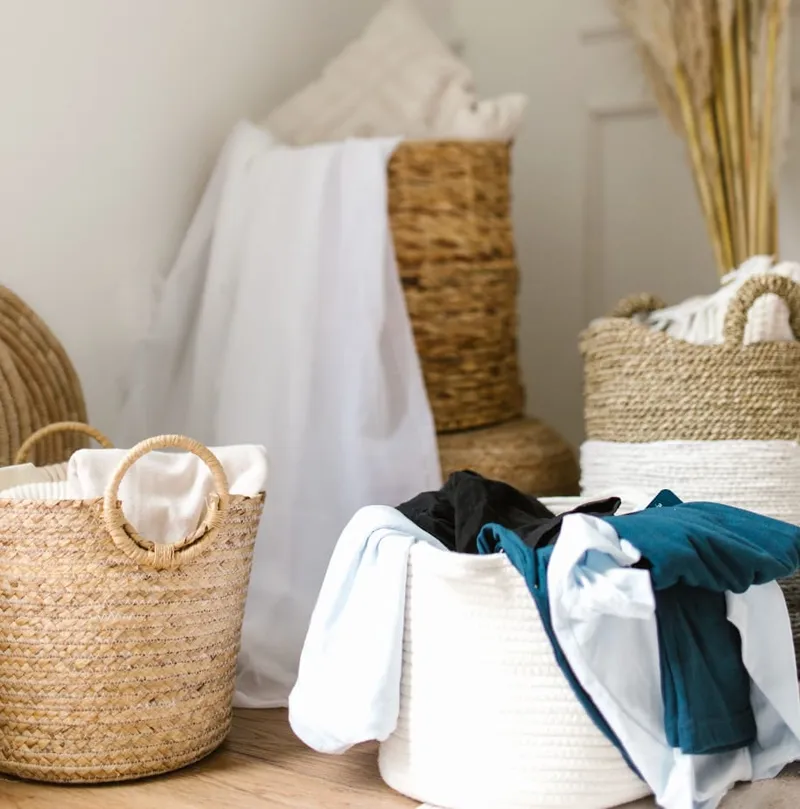
- Thin or stained towels, and pool towels beyond what your family uses on a busy weekend
- Old prescriptions, set aside for a pharmacy take-back option rather than the trash
Kids' spaces and the home office: involve the people who use them
Children's rooms and shared workspaces go smoother when the owner helps decide. Pull out broken and outgrown items yourself, then let your child choose among the rest. For paper, our walkthrough on how to declutter paper clutter covers what to shred and what to keep.
- Outgrown clothes and shoes, bagged by size for hand-me-downs or donation
- Toys with missing pieces and puzzles you cannot complete
- Dried markers, broken crayons and party-favor trinkets
- Manuals for things you no longer own, and old cables with no device
Garage and patio: remove what the summer has already ruined
A Las Vegas garage can run far hotter than the outdoor temperature, and some things simply do not survive it. Melted candles, warped vinyl, cracked plastic bins and spoiled canned goods are all common finds. Our guide to what not to store in a Las Vegas garage explains what should move indoors.
Plan garage work for the cooler months between mid-October and April. Working in a closed garage in August is unpleasant and unsafe.
- Old paint, dried-out caulk and half-empty chemical bottles, taken to a proper household hazardous waste drop-off
- Broken patio furniture and sun-faded cushions
- Pool toys with leaks and noodles that have crumbled
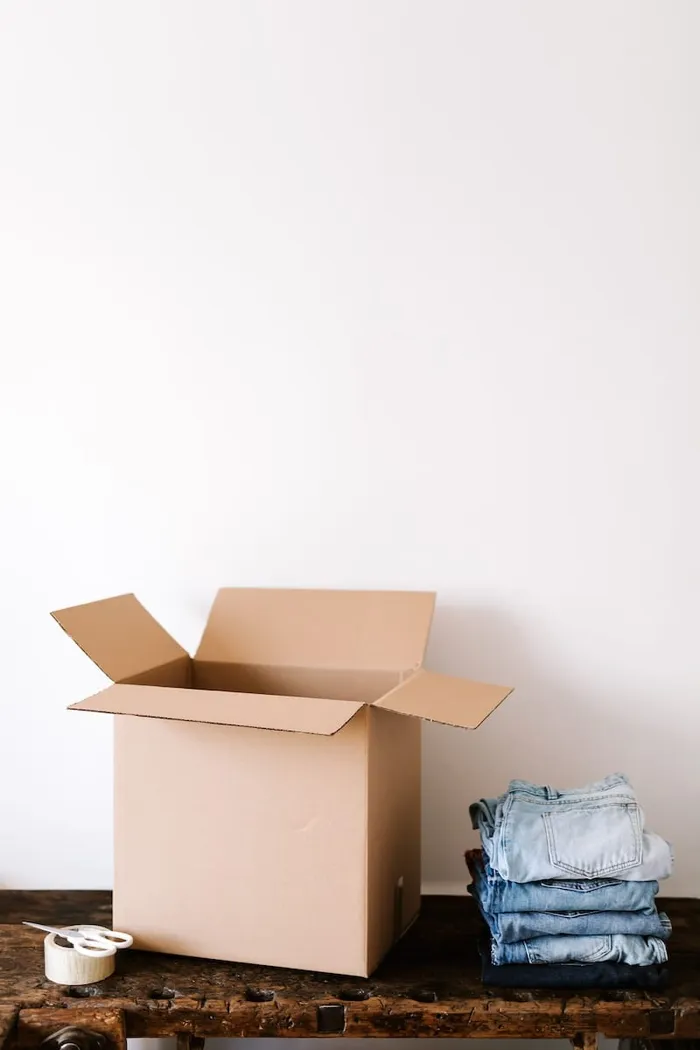
- Moving boxes you kept just in case