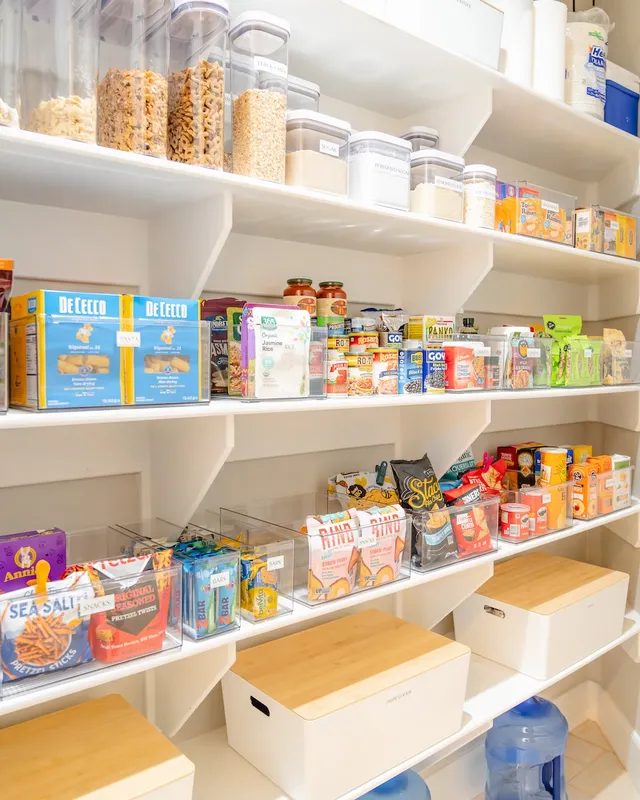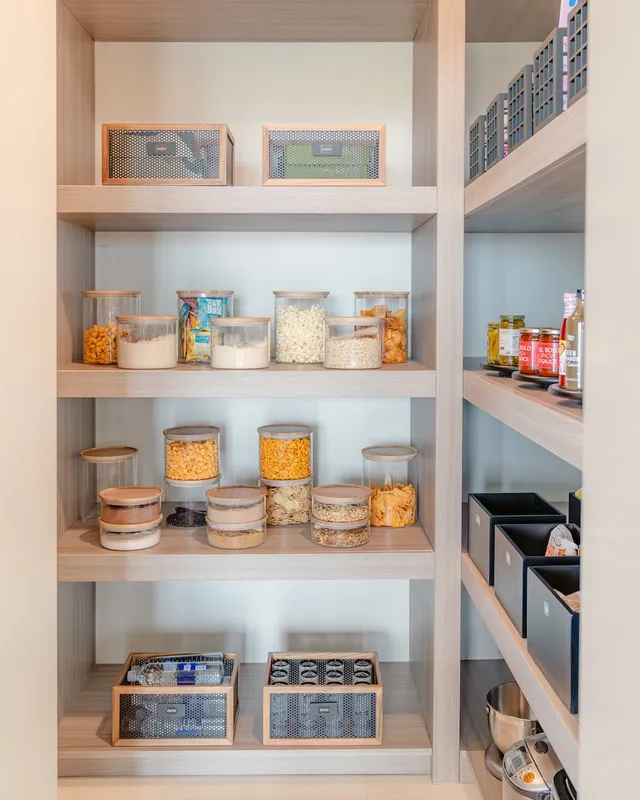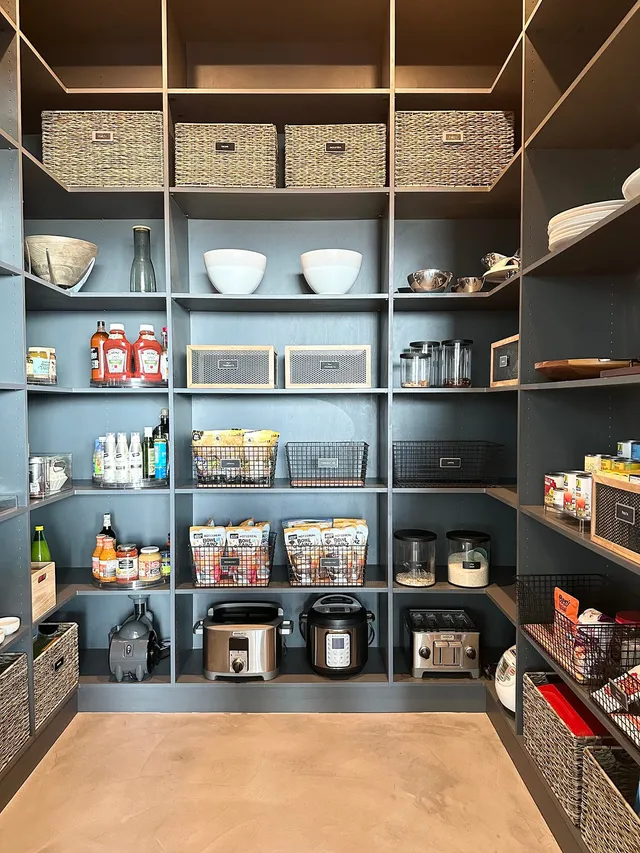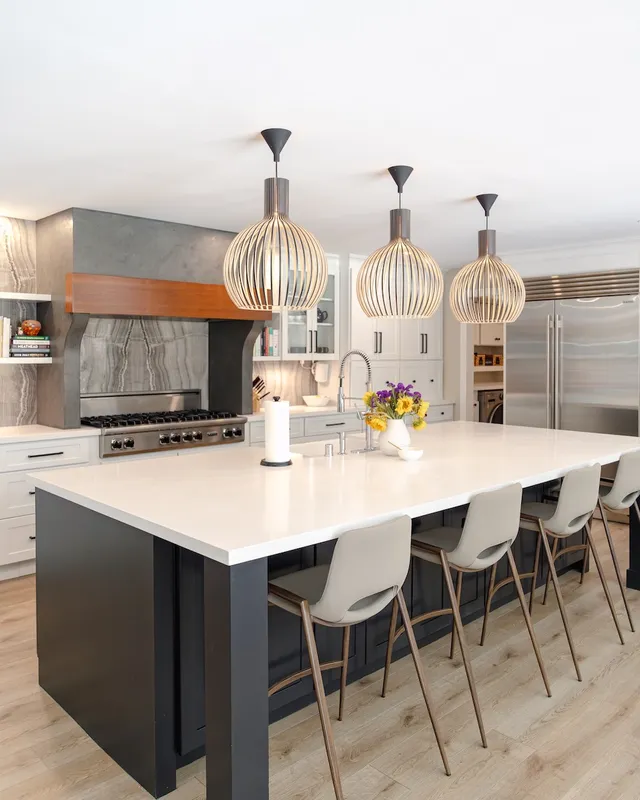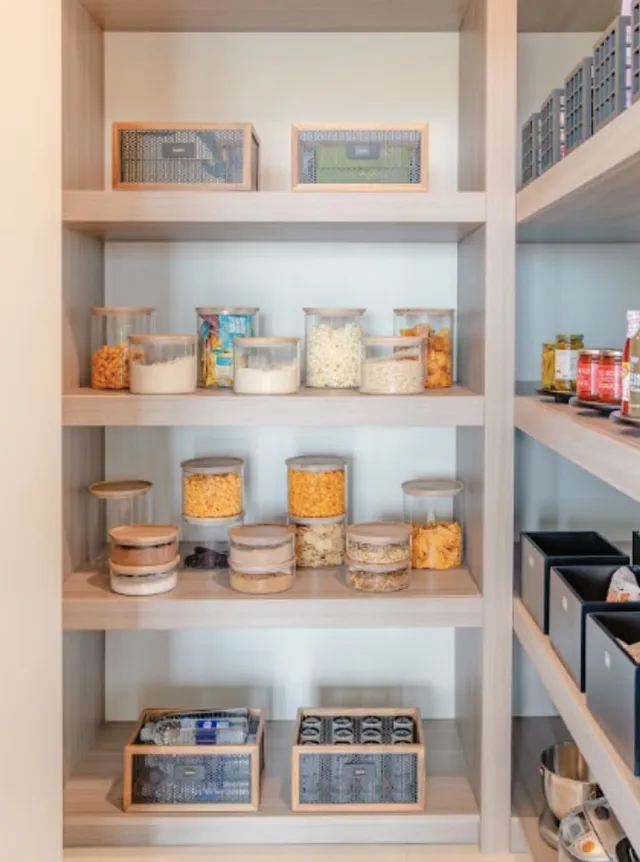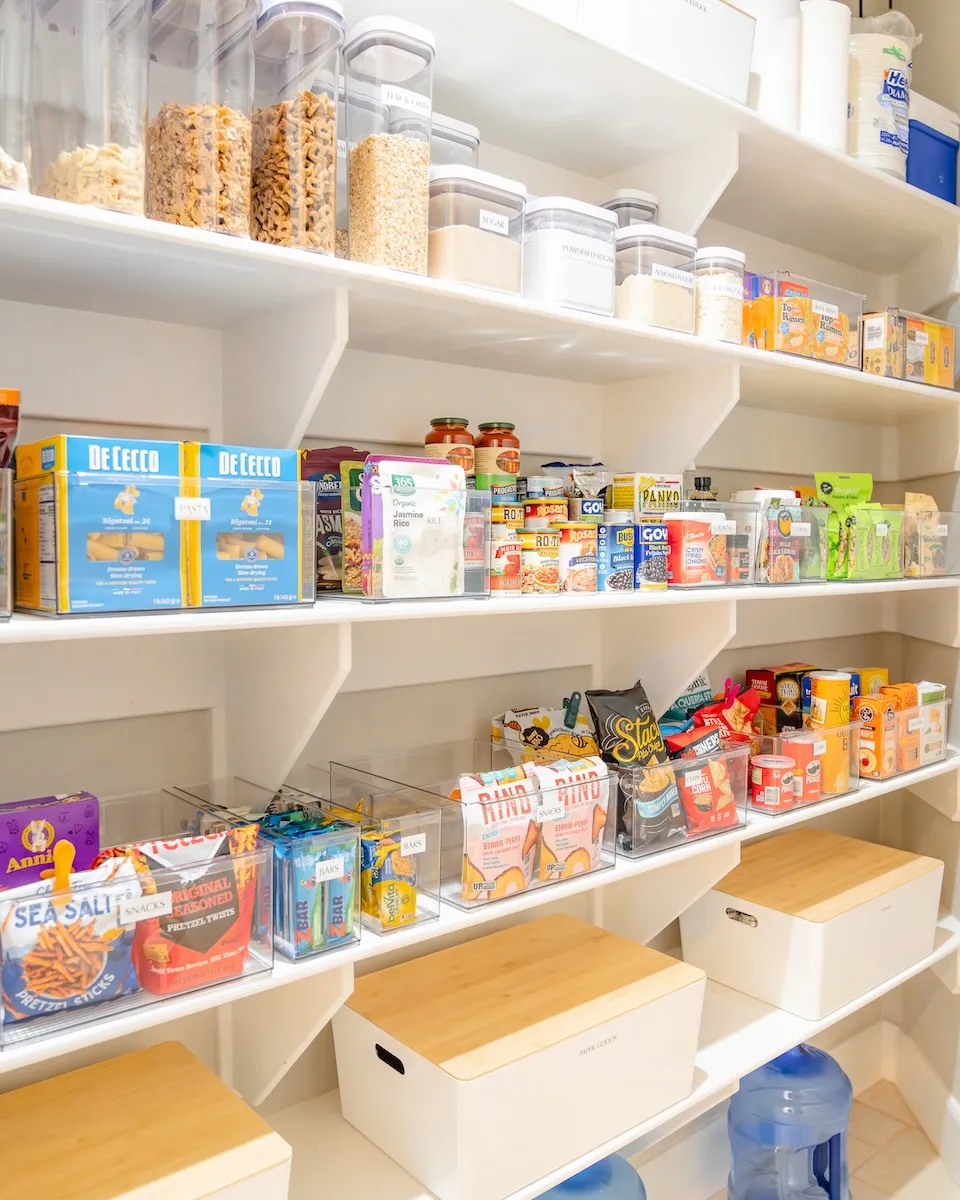
Henderson new builds have big pantries with almost no structure
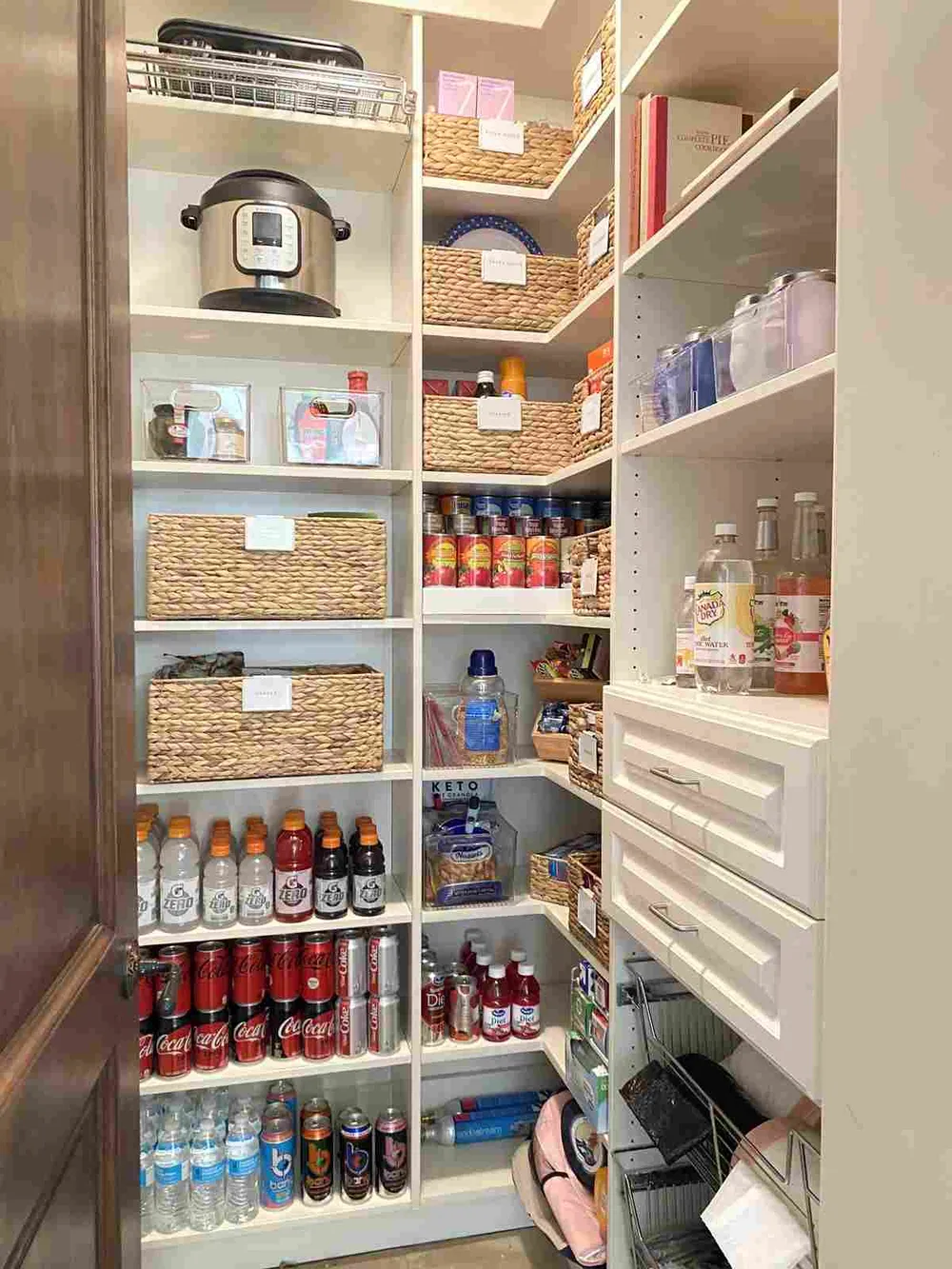
Walk-in pantries are standard in a lot of newer Henderson construction, including much of Inspirada and Cadence, but they usually arrive as plain wire or laminate shelves. The space is generous, yet without zones it fills with half-open bags and duplicates within a few months of move-in.
Older homes in Green Valley often have the opposite problem: a narrow cabinet pantry or a converted closet with deep shelves where items get lost at the back. The plan for each is different, which is why we look at your pantry before recommending a single container.
How we organize a pantry, step by step
Every pantry project follows the same core sequence, adjusted to your shelves and the way your household cooks and snacks.
How the project runs
- Empty and check dates
Everything comes off the shelves. Expired and stale items go, and unopened food you will not eat can be set aside for donation.
- Group by how you cook
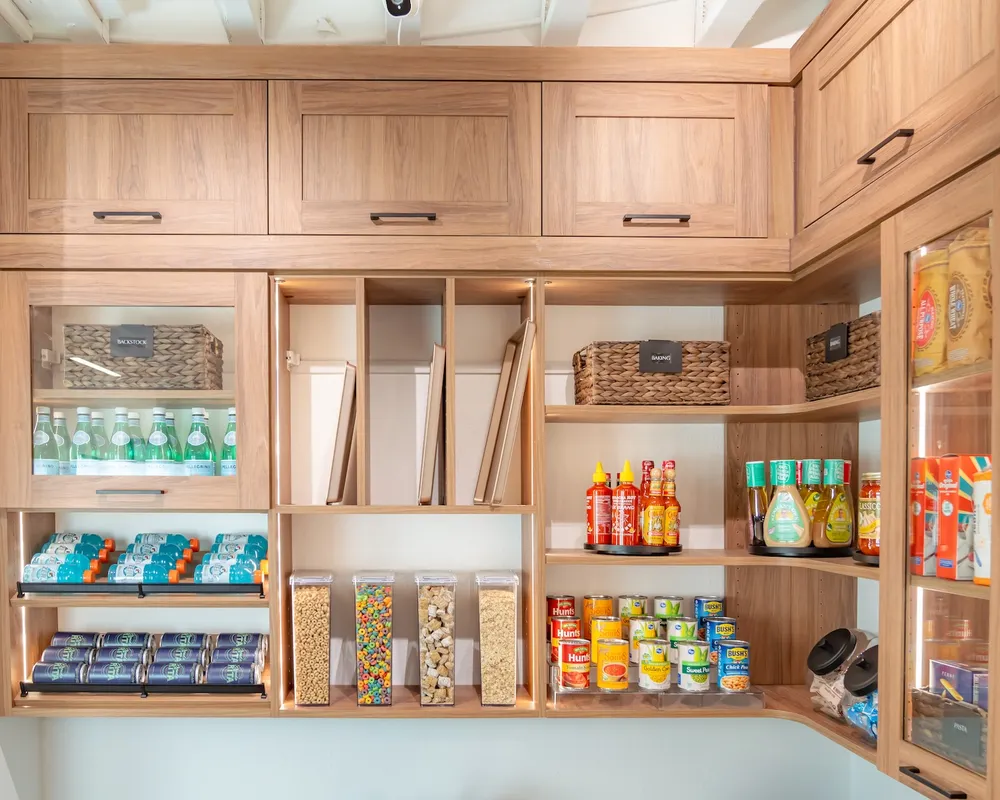
Breakfast, baking, dinner staples, snacks and drinks each become a zone, with the most-used zones at eye level.
- Measure and source
We measure shelf depth and height, then bring containers and bins that fit, rather than guessing in a store aisle.
- Load, label and reset
Food goes back into its zones, labels go on, and we walk you through the system so restocking stays simple.
Heat changes what belongs in a Henderson pantry
Henderson summers push past 110°F, and that matters for food storage even indoors. Pantries on an exterior wall or near the garage door can run warmer than the rest of the house, so we keep chocolate, oils, nuts and flour in the coolest part of the space and away from any wall that bakes in the afternoon sun.
Overflow is the other trap. Many families buy in bulk and stack extras in the garage, where temperatures make canned goods, bottled water and snacks degrade faster. We help you set up a small overflow zone inside, and our guide on keeping pantry food fresh in Las Vegas heat explains why.
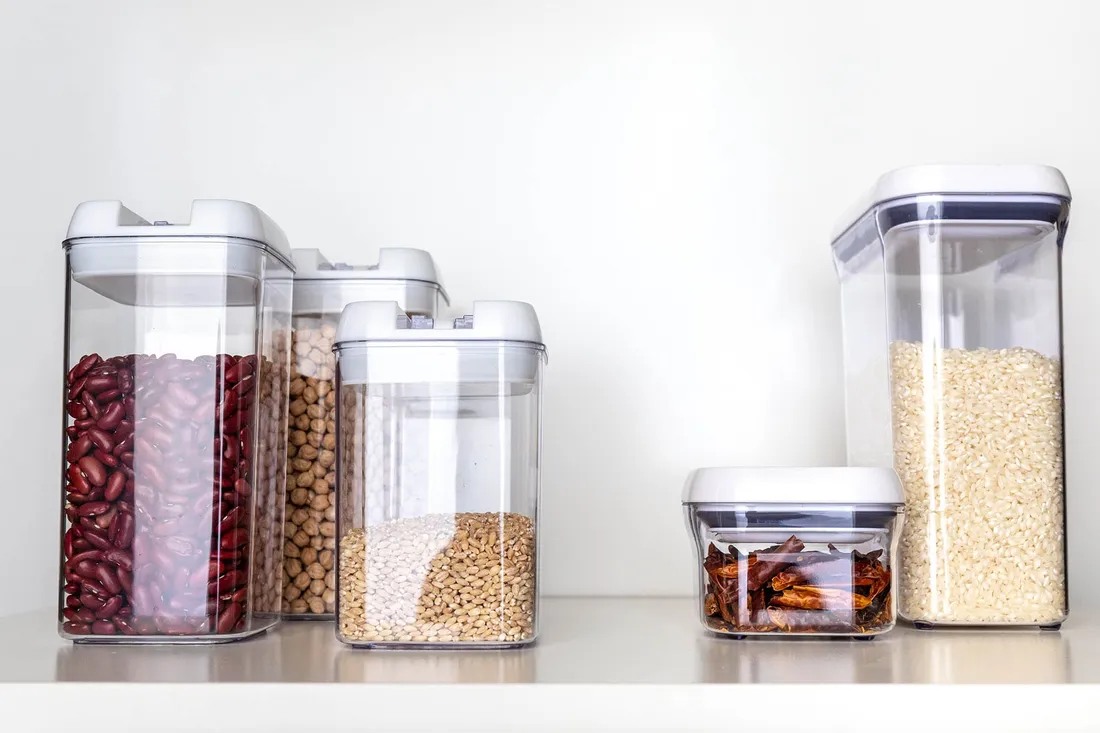
Containers and labels: we decant only what makes sense
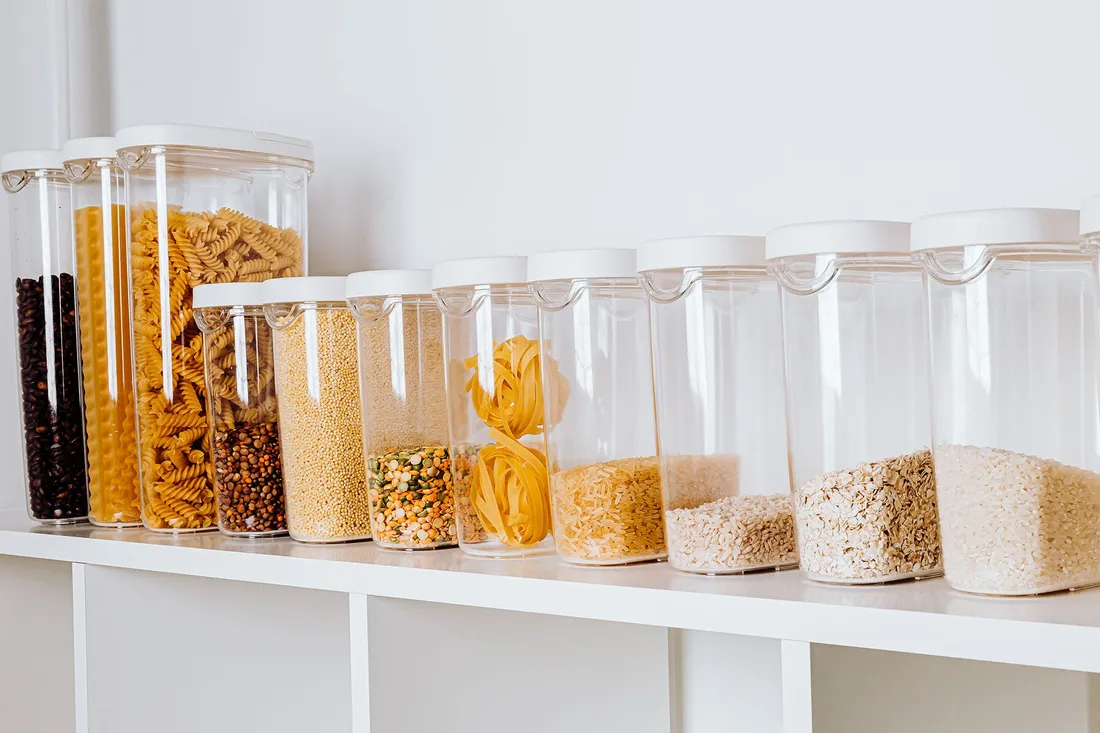
Clear canisters look good, but decanting everything creates a refilling chore that many households will not keep up. We usually decant staples you use constantly, such as rice, pasta, cereal and baking basics, and keep the rest in labeled bins by category.
Labels go on the shelf edge or bin front so anyone in the house can return things to the right place. If you want to read more before deciding, see should you decant pantry items and our pantry labeling ideas.
- Kid-height snack bins in family homes
- Turntables in deep corners so nothing hides
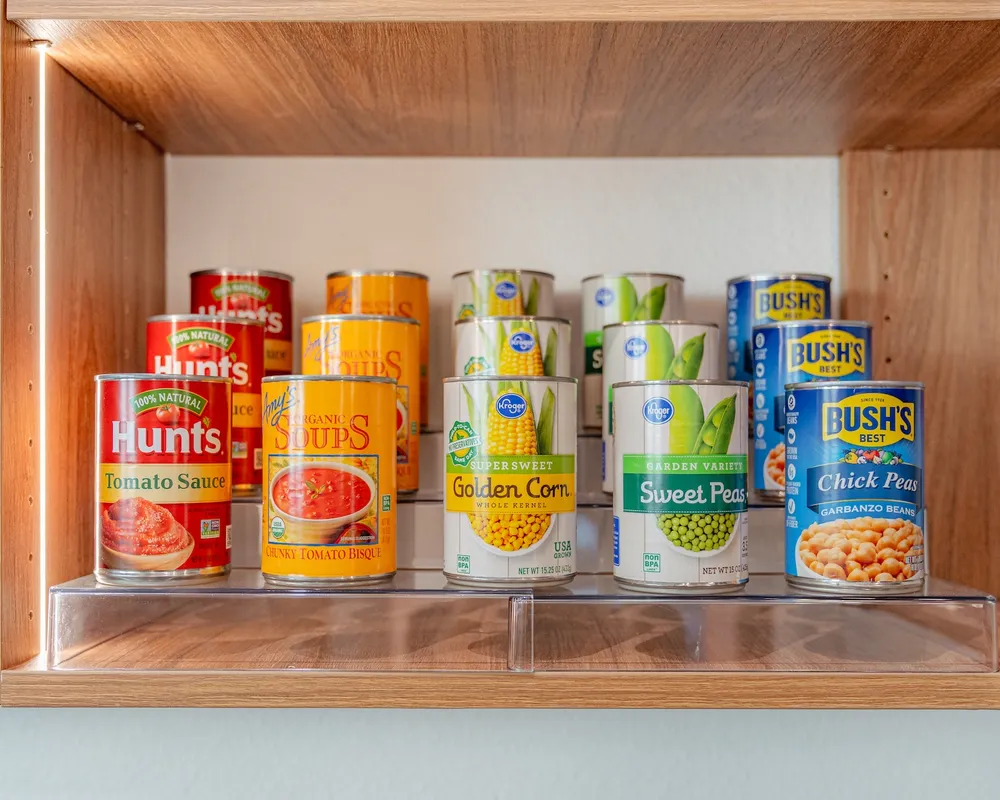
- Risers for cans so labels stay visible
- A restock list taped inside the door if you want one
Pantry pricing for Henderson homes
A standard walk-in or cabinet pantry is usually done within our four-hour minimum, which starts around $600. If you want the kitchen cabinets, coffee station or a butler's pantry handled at the same visit, plan for a full day, typically around $1,200 for eight hours.
Containers, bins and labels are an added cost only when needed, and you approve them first. We source them, install them and take back anything unused. Details are on the pantry organization cost page.