Being home matters most for decisions
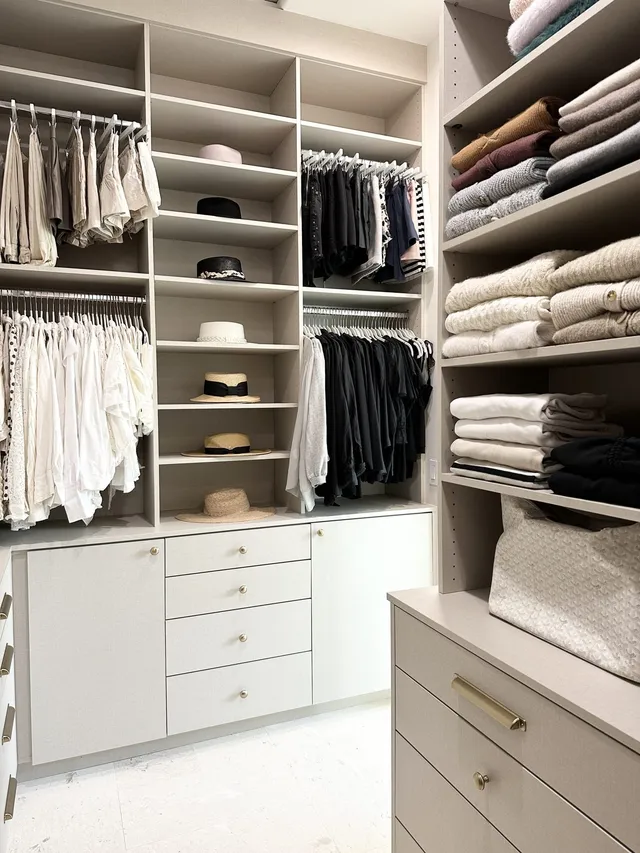
Editing is the part only you can do. In a closet, every garment gets a yes or no. In a home office, papers need a keep, shred or file decision. If you are away, the team would have to guess, and good organizers do not guess about your belongings.
Once the edit is done, the work becomes layout, containers and labels. That can proceed without you in the room, though a final walkthrough together is helpful.
A useful rule of thumb: plan to be home for the first hour, when the team learns your goals and walks the space with you, and for the last half hour, when you see the finished result and learn how to reset it. The middle is where your involvement can flex.
How much of you each space needs
This rough guide shows where your presence pays off most.
| Space | Your presence | Why |
|---|---|---|
| Closets | High | Clothing decisions are personal |
| Paperwork and offices | High | Only you know what must be kept |
| Kitchen and pantry | Moderate | Quick check-ins on zones and expired food |
| Kids' rooms and playrooms | Moderate | Toys and keepsakes need parent input |
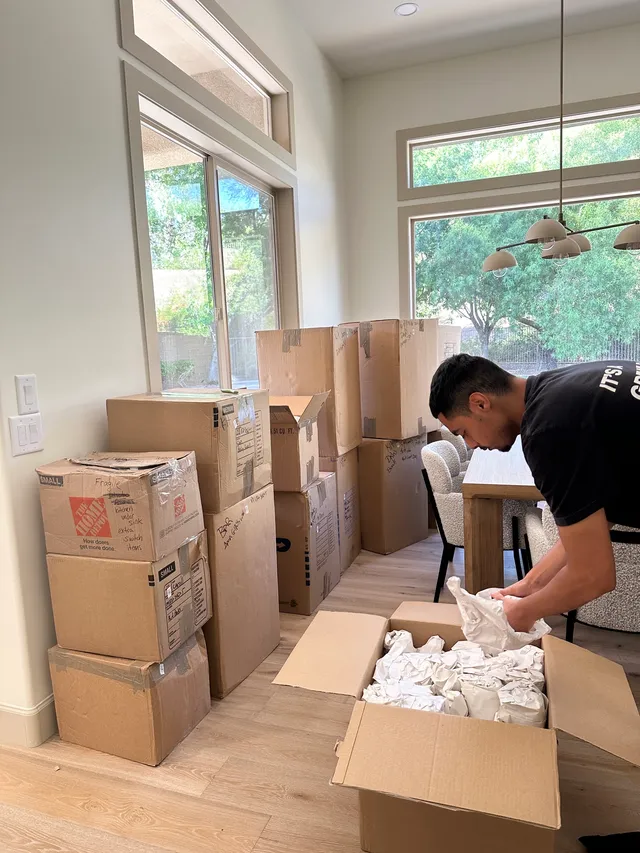
| Unpacking after a move | Low to moderate | Mostly placement, with preferences agreed up front |
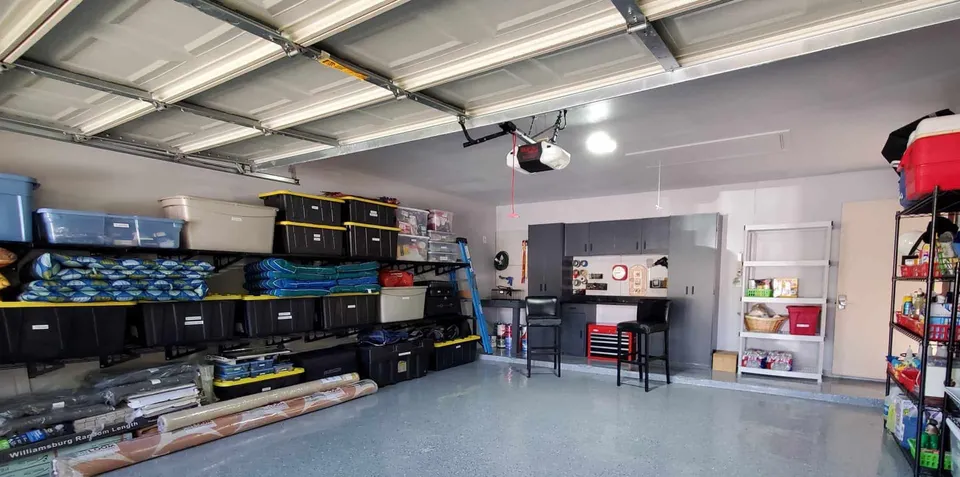
| Garage | Moderate | Decisions on tools, gear and sentimental items |
Working from home during the session is fine
Many clients take calls in another room while the team works. The organizers will batch questions so you are not interrupted constantly, then grab you for a few minutes when a decision pile is ready.
Tell the team your schedule at the start, including meetings you cannot miss. They can plan around it.
This works especially well in larger Las Vegas homes with a casita or a separate office wing, where you can work out of earshot while the team sets up the kitchen or kids' rooms. In a smaller condo, consider a coffee shop for the noisier stretches, like breaking down boxes after an unpack.
Second homes, remote moves and part-time residents
The valley has many part-time residents and people relocating from out of state. If you cannot be present, agree on the plan, priorities and any must-keep items ahead of time, and stay reachable by phone or video for questions.
Access needs to be arranged in advance, such as a gate code, a building concierge or a lockbox. For move-ins before you arrive, see remote move-in home setup and second home organization.
What you should do even if you step away
A few steps protect you and keep things smooth when you are out of the house.
- Point out anything off-limits, such as a safe, medications or a private drawer
- Set aside items that must not be donated under any circumstances
- Leave a phone number and the best time to call
- Plan to return for the final walkthrough