Heat is the enemy, not cold
Guides written for cold climates focus on moths and damp basements. In the desert the bigger risks are heat and extreme dryness. Summer garage temperatures in the Las Vegas Valley can climb well past what the thermometer reads outdoors, and that heat breaks down rubber, spandex, glues and some synthetic coatings.
Dry air also stiffens leather and suede over a long season. Indoors, at normal household temperatures, most fabrics are perfectly happy for six or seven months.
Choose storage spots by temperature
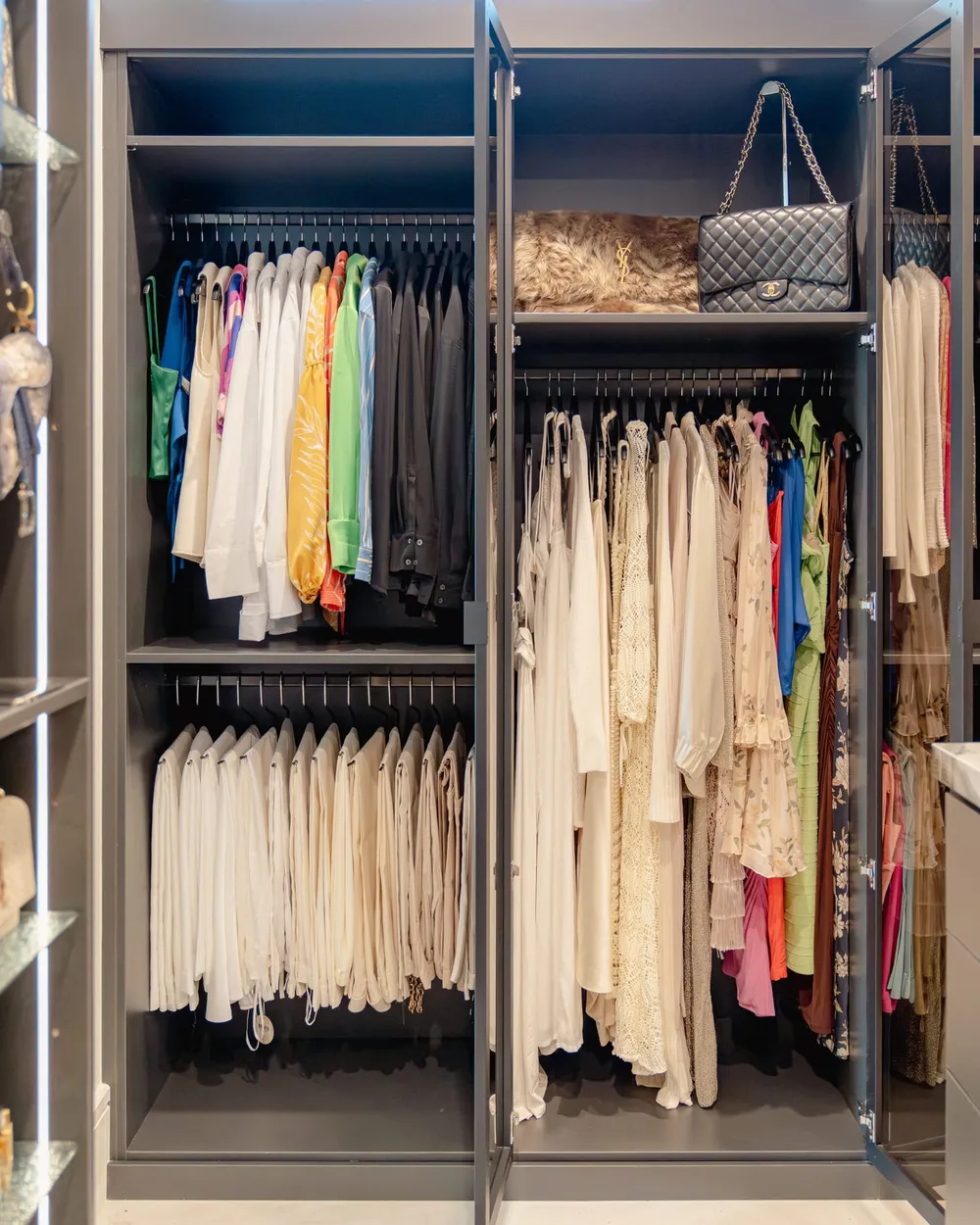
Rank the spaces in your home from coolest to warmest and store your most delicate pieces in the coolest. Interior closets without exterior walls are usually best.
If you have a casita or guest suite, its closet is a great off-season wardrobe, as long as the air conditioning stays on. Our what not to store in a Las Vegas garage guide lists other things that should come inside for summer.
| Location | Good for winter clothes? | Notes |
|---|---|---|
| Interior hall or guest closet | Yes | Steady temperature, low light |
| Under the bed | Yes | Use low, lidded fabric boxes |
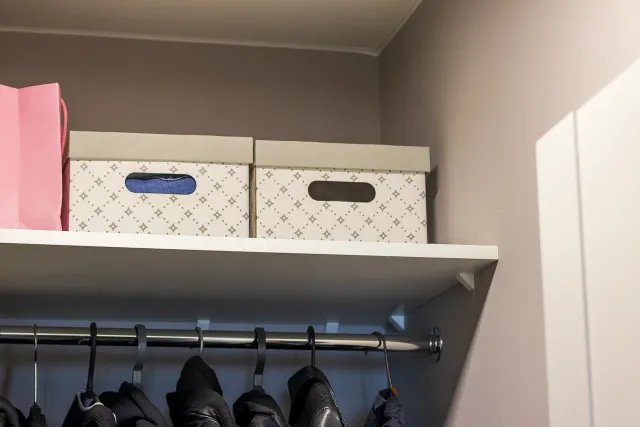
| Top shelf of your own closet | Yes | Fine for bins you can lift |
| Casita closet | Yes, if cooled | Keep the AC set to a normal level |
| Garage or attic | No | Summer heat damages fabric and trims |
Step by step
- Wash or dry clean
Never store worn pieces; stains set and attract pests over time.
- Dry completely
Make sure everything is fully dry before packing, especially down.
- Pack by fabric
Use breathable bins, cedar for wool and garment bags for leather and coats.
- Store in the coolest spot
Choose an interior closet or under-bed space, not the garage.
- Check once mid-summer
Open each container in July or August to check for odor, pests or dryness.
Treat each fabric a little differently
Not all winter clothes want the same container. Wool and cashmere need protection from moths and should be stored clean, since moths are drawn to food and body oils. Down needs room to stay lofty. Leather needs air and occasional conditioning.
Avoid vacuum compression for anything you want to keep in good shape for years. It is fine for a spare comforter but crushes down clusters and leaves deep creases in wool coats.
- Wool and cashmere: folded with cedar blocks or lavender sachets in a cotton or canvas bin
- Down jackets: loosely folded or hung in a breathable bag, never compressed for months
- Leather and suede: hung on wide hangers in cloth garment bags, conditioned before storage
- Boots: cleaned, stuffed or fitted with shapers, stored in breathable bags
- Hats, gloves and scarves: one labeled bin per person
Label for the next swap
Label each container on the short end with the person's name and what is inside. Better still, tape a short contents list on the lid. When the first chilly morning arrives in November, you will know which bin holds the kids' jackets and which holds your ski gear.
Many families in the valley keep one bin of real cold-weather gear for trips to Mount Charleston or out-of-state holidays. Store it separately from everyday sweaters so it does not get pulled apart. Timing the rotation is covered in our seasonal closet swap guide.