Start with the reach zone
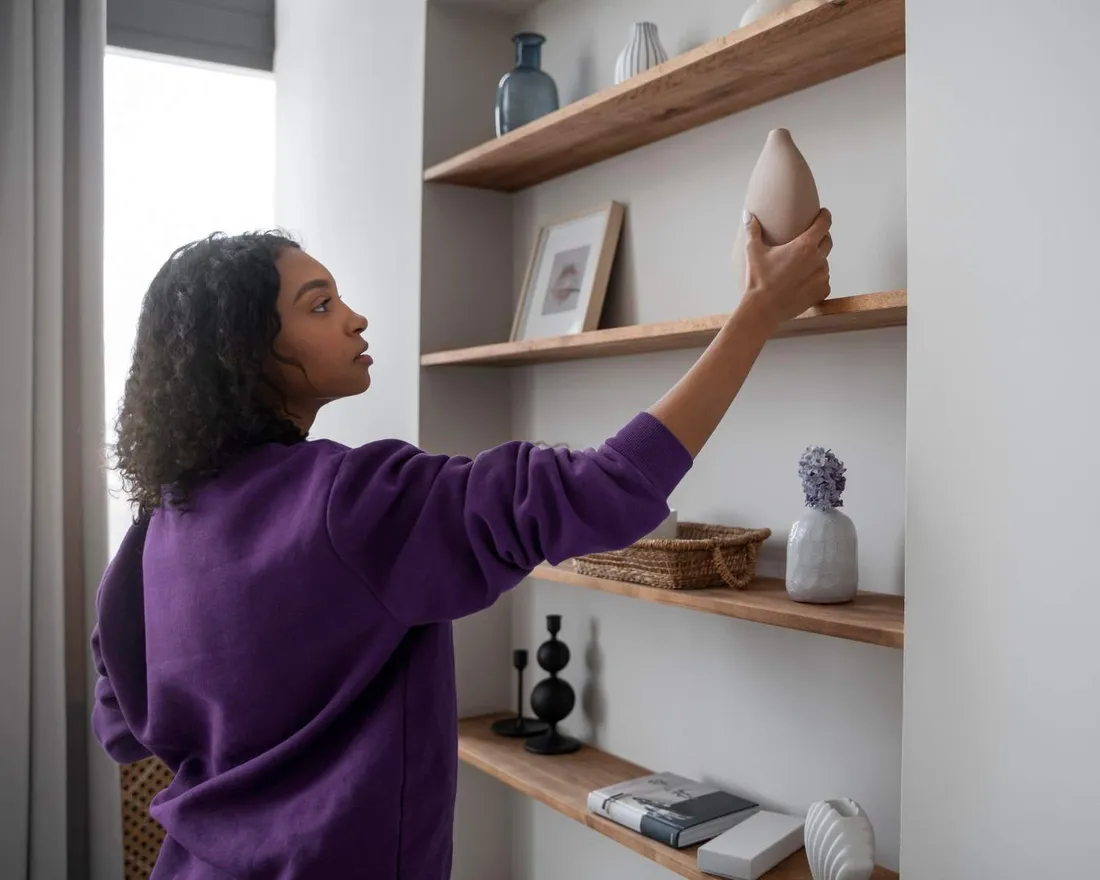
The most practical change is putting daily items within easy reach. That is roughly the area between hip and shoulder height. Plates, glasses, daily medications, favorite clothes and toiletries should all live there.
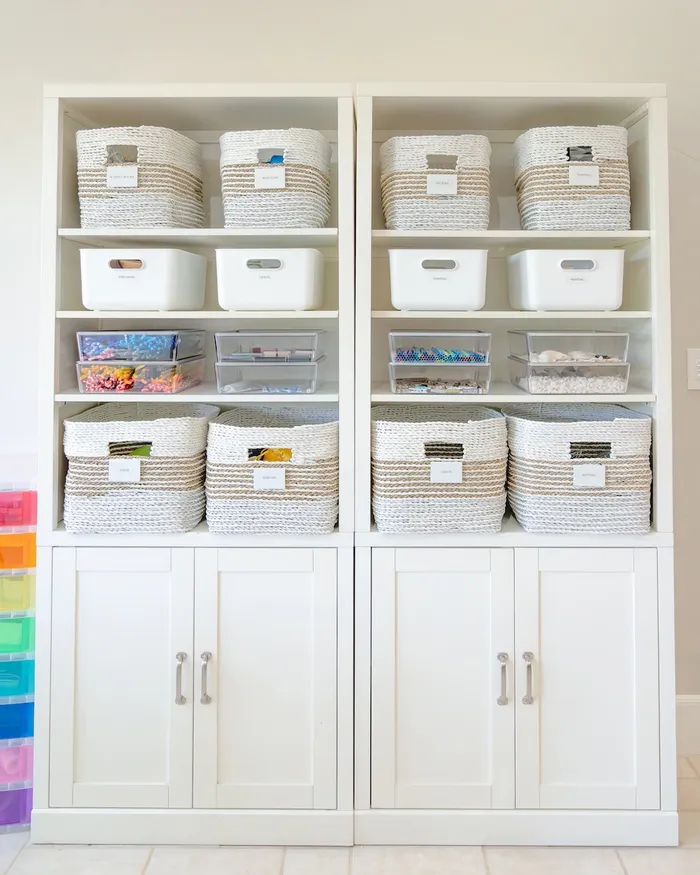
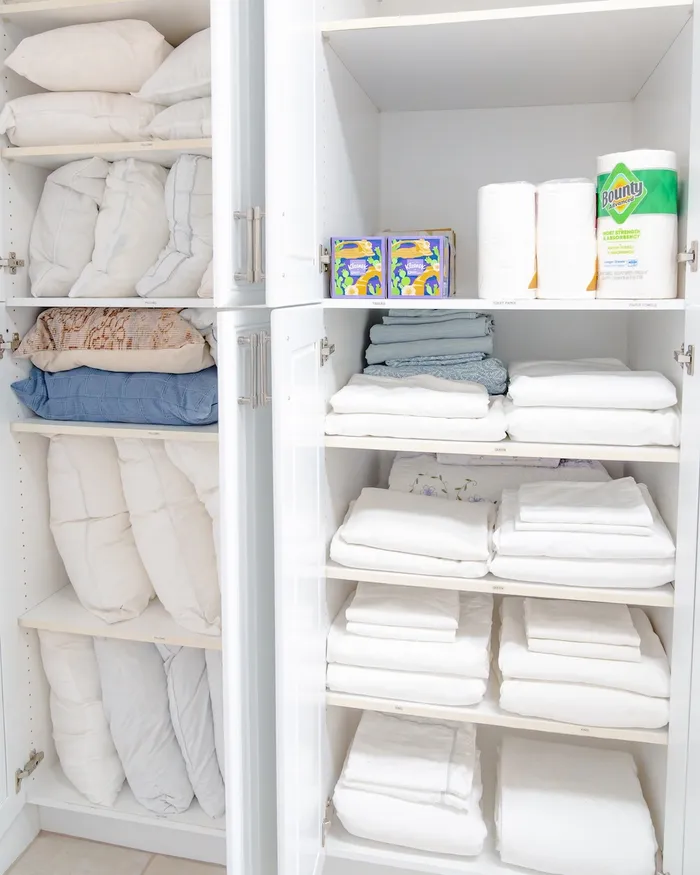
Move rarely used items to high or low storage, or out of the home entirely. This reduces the need for step stools and bending, which helps prevent strain and falls. Label shelves in large, high-contrast print so things are easy to find, and keep a small basket by the favorite chair for glasses, the remote, a phone and a notepad.
Clear and widen walkways
Open paths through the home matter more as mobility changes. Remove clutter from hallways, stairs and the route from the bedroom to the bathroom. Loose rugs, cords across floors and low furniture are common trip hazards.
Look at the path at night, too. A plug-in nightlight in the hall and bathroom helps, and so does keeping that path completely clear.
- Remove or secure loose rugs
- Route cords along walls, never across walkways
- Keep stairs completely free of items
- Leave wide paths around beds and seating
Simplify the kitchen and bathroom
In the kitchen, keep a small set of everyday dishes, cookware and food near the counter used most. Pull-out shelves and lazy Susans in lower cabinets reduce reaching into deep corners.
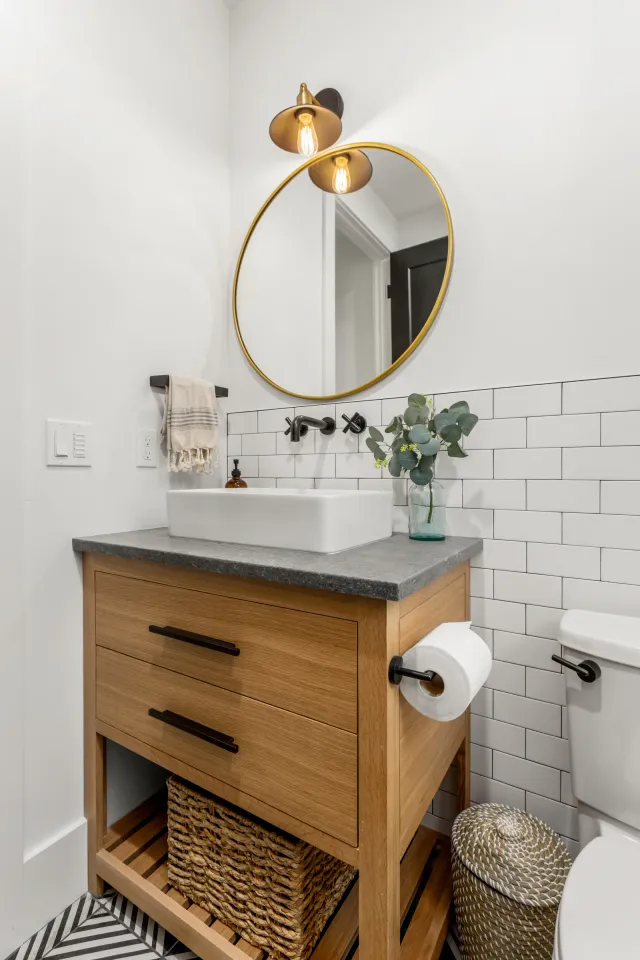
In the bathroom, keep daily essentials on the counter or in the top drawer. Medications should be stored as their labels say, usually somewhere cool and dry, and organized clearly; the medicine cabinet guide covers simple steps.
Plan for single-level living
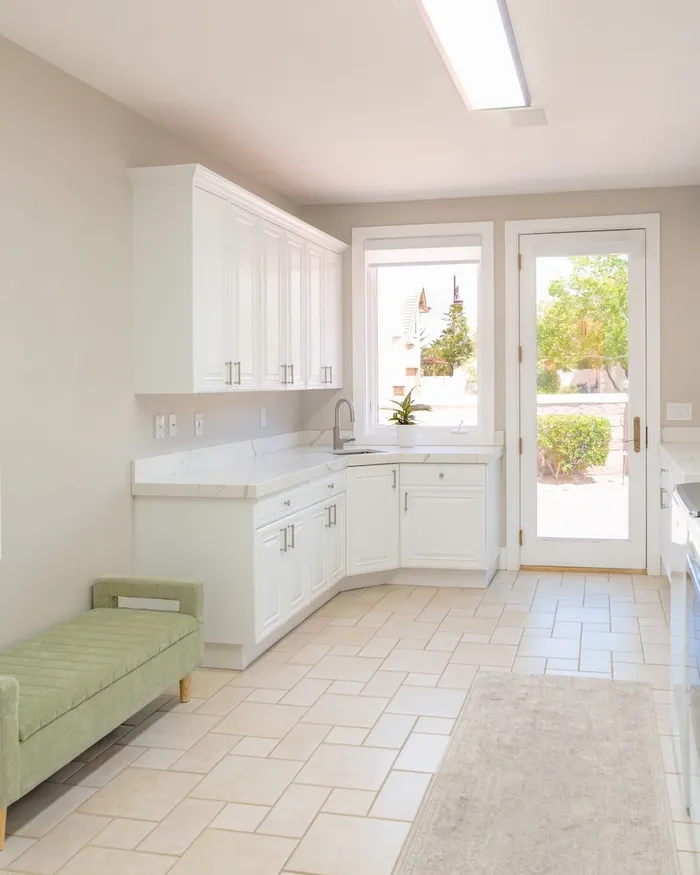
If the home has stairs, consider whether the bedroom, bathroom, laundry and kitchen can all be used on the main floor. Many Las Vegas homes, including newer single-story designs and casitas, make this easier.
A downstairs guest room or casita can become a primary suite with some reorganizing. The casita guide explains how to set one up for long stays.
| Room | Aging-in-place change |
|---|---|
| Bedroom | Move to the main floor, clear path to the bathroom |
| Closet | Daily clothes at mid-height, lower rod if needed |
| Kitchen | Everyday items near one counter |
| Bathroom | Essentials on counter or top drawer |
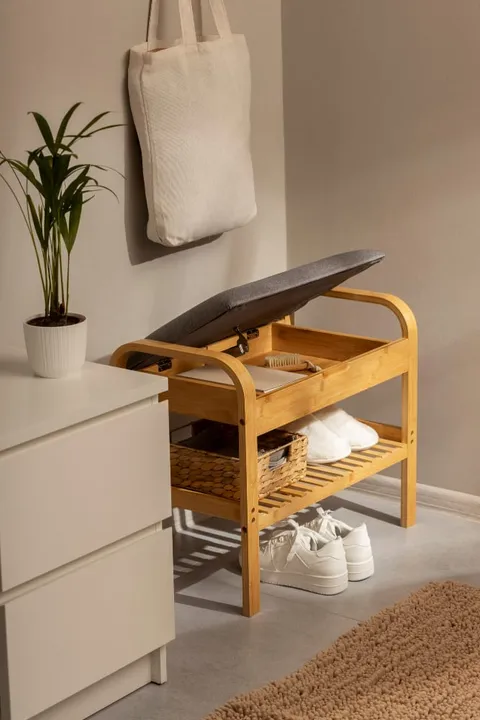
| Entry | Seat for putting on shoes, hooks at easy height |
Respect the person and their belongings
Organizing for aging in place is personal. The home holds a lifetime of memories, and change can feel like loss. Involve the person living there in every decision, and keep what matters to them visible.
Family members often help, but an outside organizer can make the process feel less emotional. Our senior move and transition service works with compassion and at a comfortable pace, and decisions about belongings always stay with the client.