The person moving stays in charge of their things
A senior move often happens with adult children, siblings and sometimes a sale on the calendar, and it is easy for the person whose home it is to be talked over. We work directly with them. They decide what stays, what goes to family and what is donated, and we keep the pace comfortable.
Shorter sessions can help when long days are tiring. Some families prefer two or three four-hour sessions a week over full days, and we can plan around appointments, rest time and visits.
Setting up the new home so it feels like theirs
The goal on arrival is familiarity. We place things the way the person is used to finding them where the new layout allows: the same mug in the same cabinet next to the coffee maker, a favorite chair near the window, photos on the walls they choose.
Everyday items go at an easy height, between waist and shoulder, so reaching and bending are kept to a minimum. Heavier pieces sit on lower shelves rather than overhead. Our guide on organizing a home for aging in place covers these practical placement ideas in more depth.
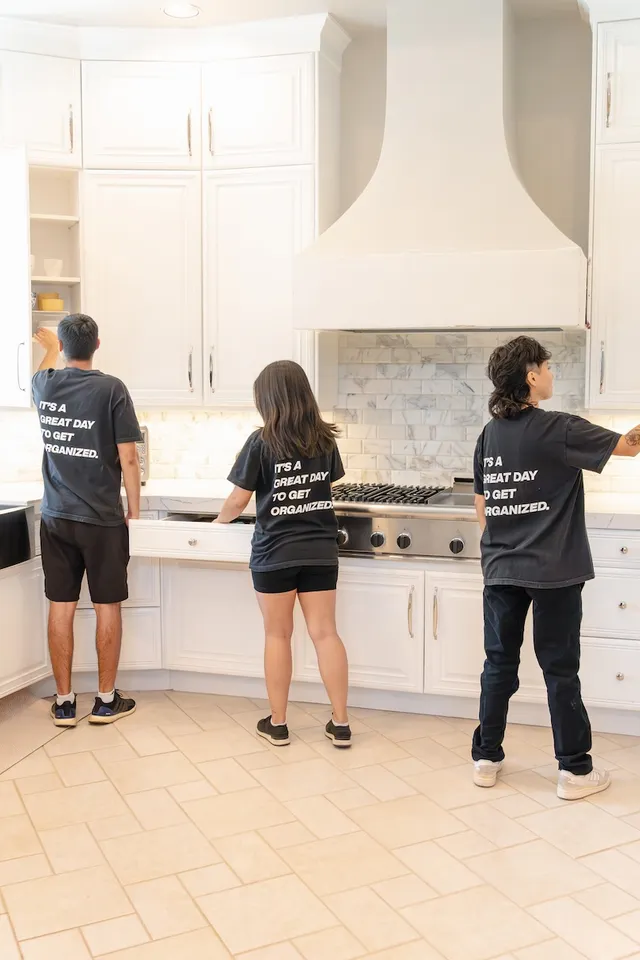
- Kitchen: daily dishes and glasses in one easy-to-reach cabinet, labeled if helpful
- Bedroom: clothes edited to what is worn, with clear drawer labels
- Bathroom: daily items within reach, extras stored nearby and labeled
- Paperwork: important documents gathered into one clearly marked place
- Photos and keepsakes: a chosen selection displayed, the rest stored safely indoors
How the project runs
- A conversation with the person moving
We talk about the new home, what matters most to bring, and how they would like the days to go.
- Sorting at a steady pace
Room by room, items are grouped for keep, family, donate or discard, with every decision theirs.
- Packing and labeling
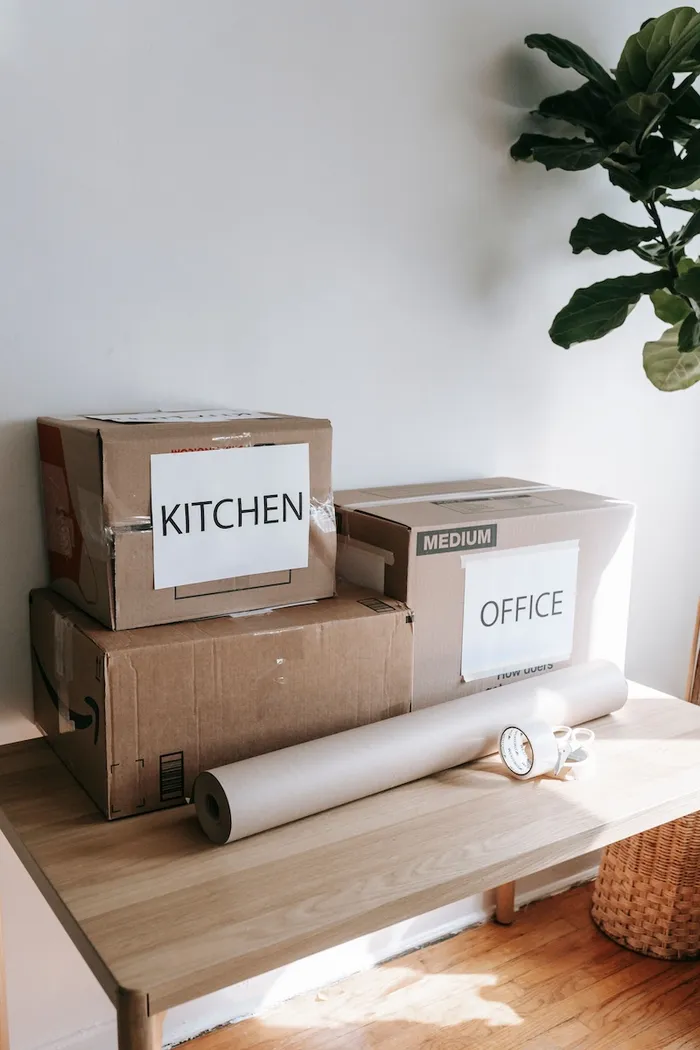
Keep items are packed and labeled for their room in the new home; family items stay separate.
- Unpacking and setting up
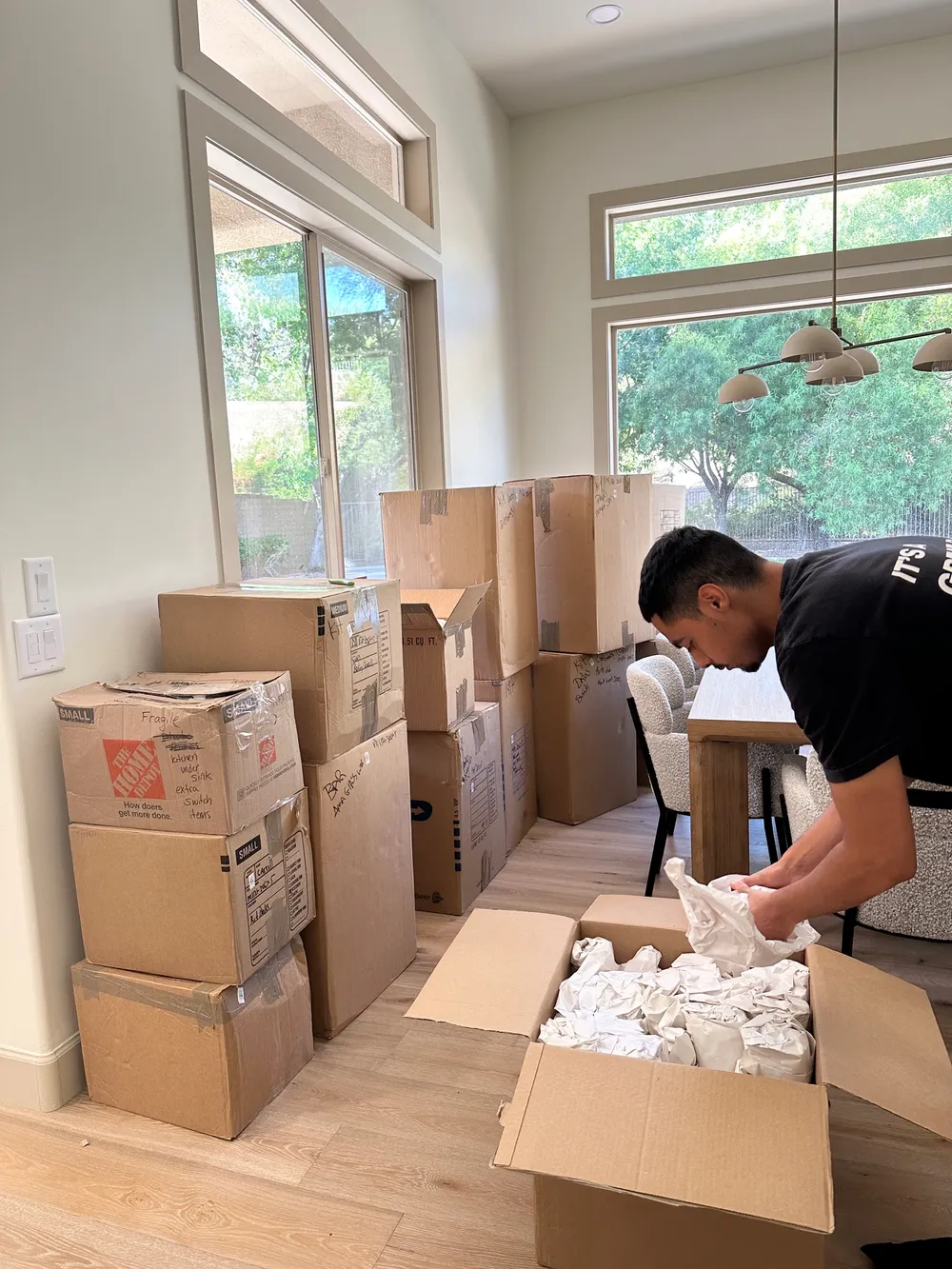
After the movers deliver, we unpack, organize and set up the new home so it is ready to live in.
Coordinating with family who live elsewhere
Many Las Vegas retirees moved here from somewhere else, so their children often live out of state. We can share photos of items for family to claim, keep claimed items separate and labeled, and keep everyone updated in the way the family prefers.
If you are the adult child helping from afar, our guide on how to help a parent declutter offers ideas for conversations before the hands-on work begins.
What happens to the items that are not coming
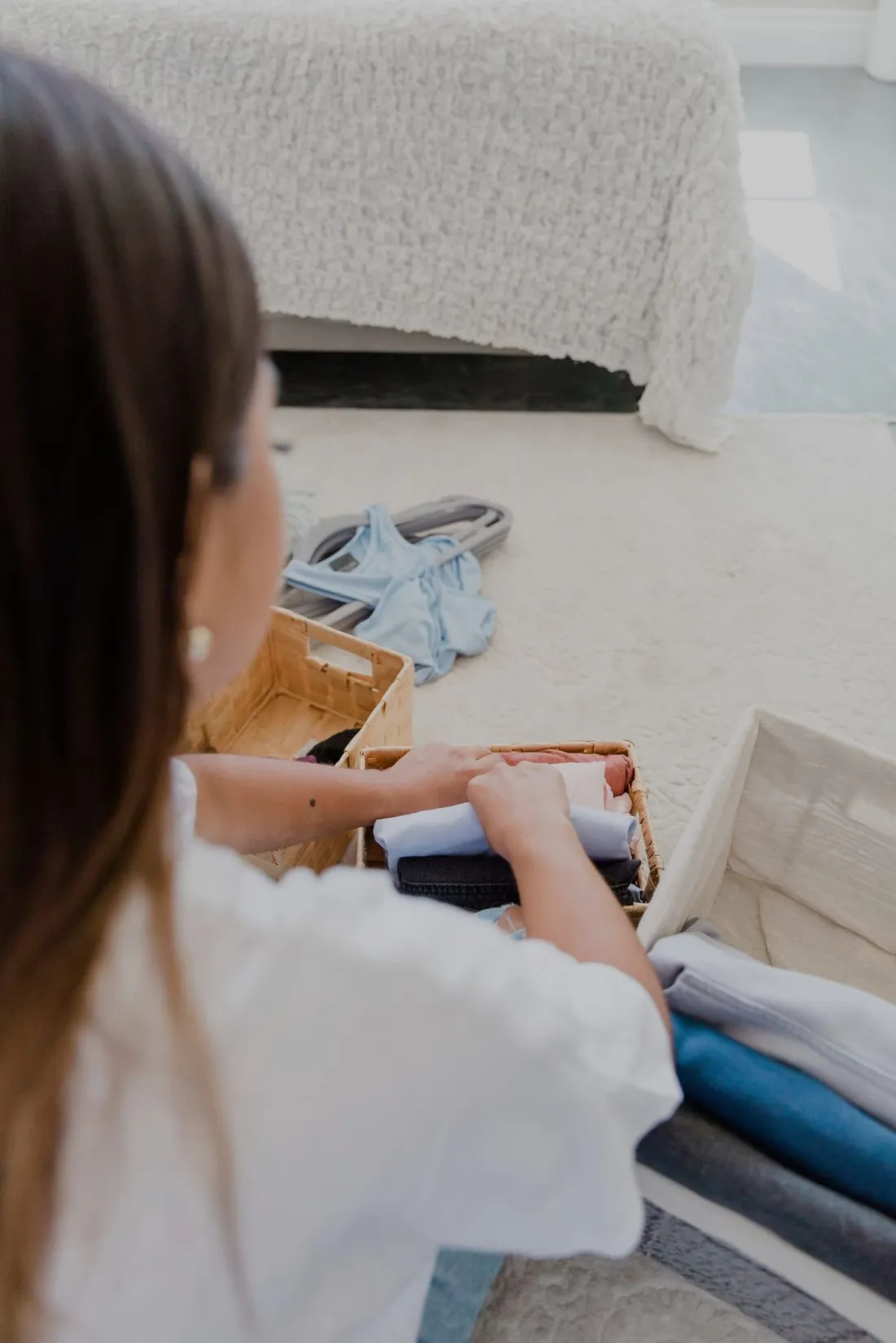
Items that are not moving usually take one of four paths: family, sale, donation or disposal. We help sort them into those paths so the movers only take what is going.
Donations around the valley can go to options like Opportunity Village, Goodwill of Southern Nevada or the Salvation Army; furniture in good shape may suit the Habitat for Humanity Las Vegas ReStore. Our team can drop off up to a carload of your parent's donations after each visit, and we can arrange junk removal when there is more. Heat matters here too: boxes of photos or papers should not wait in a summer garage while decisions are made.
Planning the timeline and the cost
A comfortable senior move from a long-held family home usually starts several weeks before the moving date, giving time to sort without rushing. Move-ins to apartments or senior living communities can sometimes happen faster because the space is smaller.
Help with a senior move starts around $600, covering a four-hour minimum visit. A typical full day of packing or move-in work starts around $1,800. We give you a recommended plan, time and team size after the free consultation; the professional organizer cost page explains what drives the total.