A guest should understand the kitchen in thirty seconds
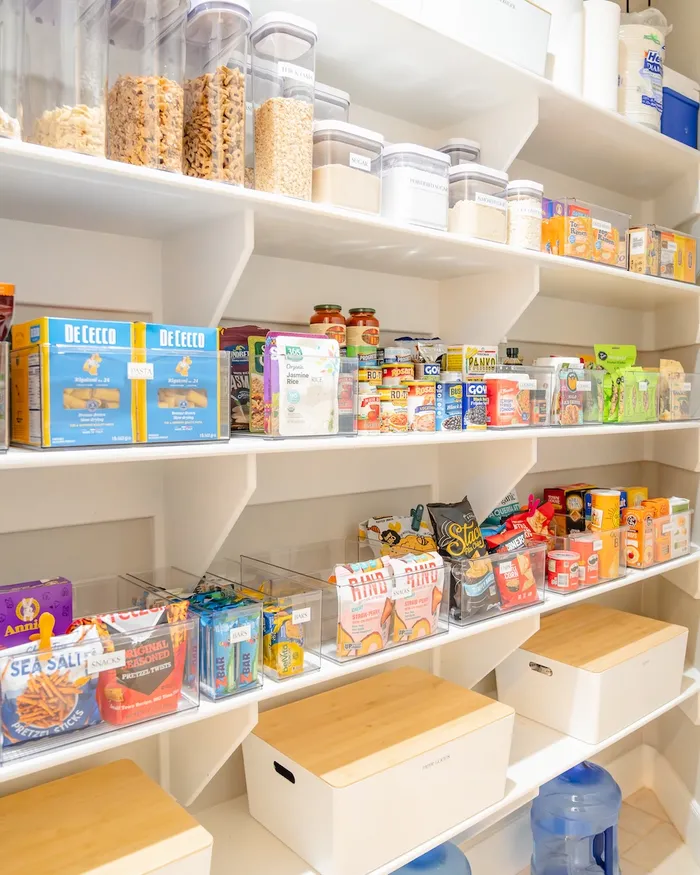
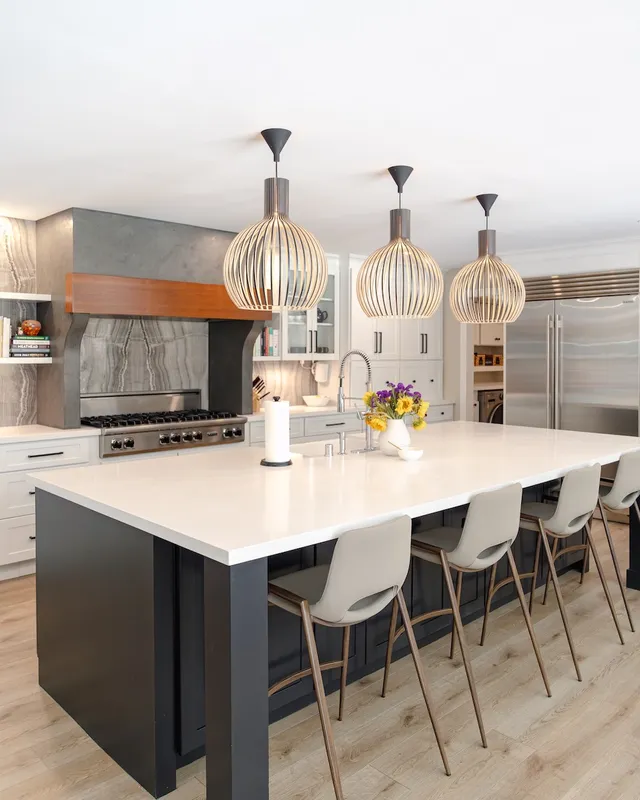
Rental guests open every cabinet once, then decide whether the home makes sense. If the coffee is next to the filters, the cutting boards are near the knives and the wine glasses are where a stranger would look, they relax. If not, you get messages asking where things are, and items end up in random cabinets for the next guest.
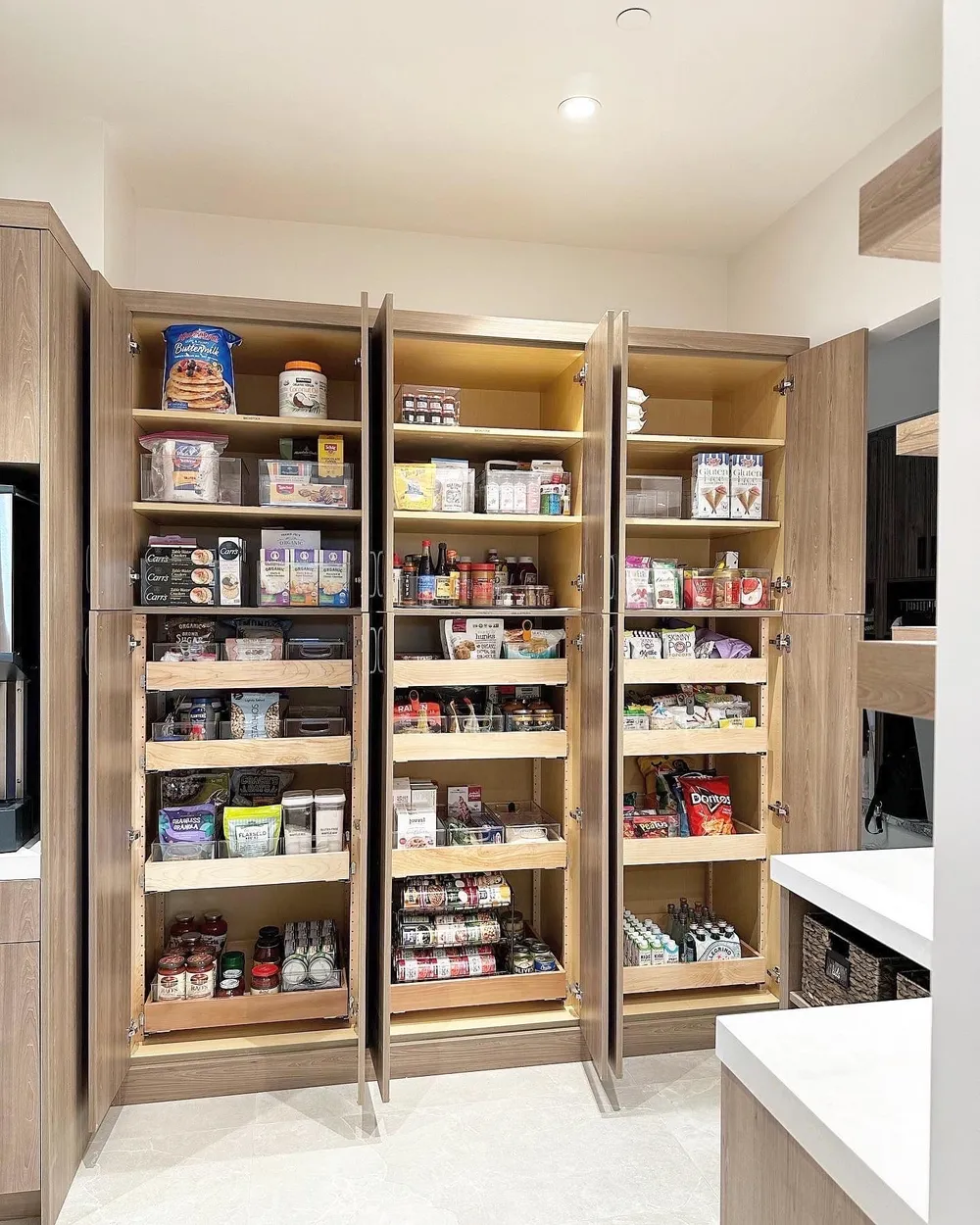
We arrange guest kitchens around obvious logic and label discreetly where it helps. Inside-door labels on pantry shelves and drawers, simple bins for coffee and tea, and a clearly marked spot for anything the guest is welcome to use go a long way.
Par levels make turnovers predictable
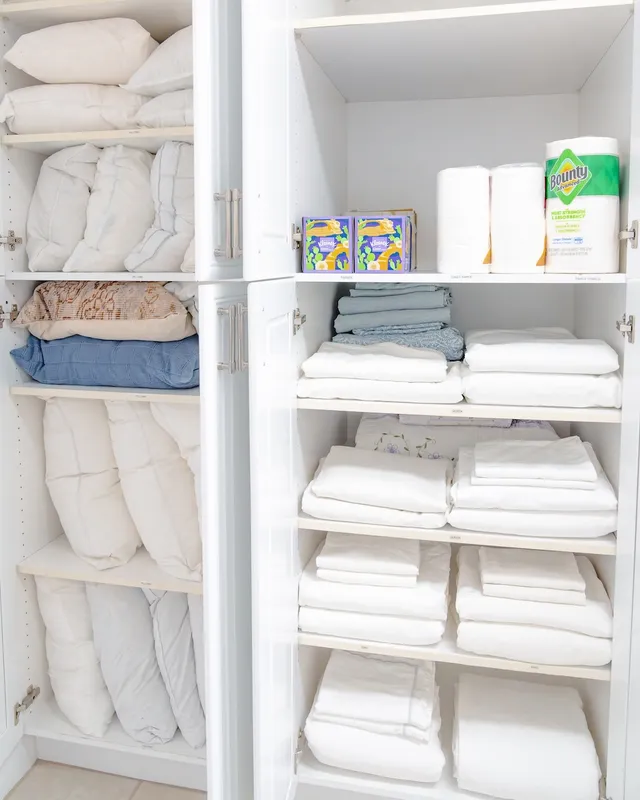
Every rental should have a known number of each item: towels per bed, sheet sets per bed size, rolls of paper towel, dish pods, coffee pods and trash bags. When the count is written on the shelf, your cleaner can see in a glance what to restock and what to report.
We set those counts with you, organize the linen closet and supply closet to match, and leave a one-page restock sheet. For the reasoning behind setting minimums, our article on supply closet par levels applies just as well to a rental as to an office.
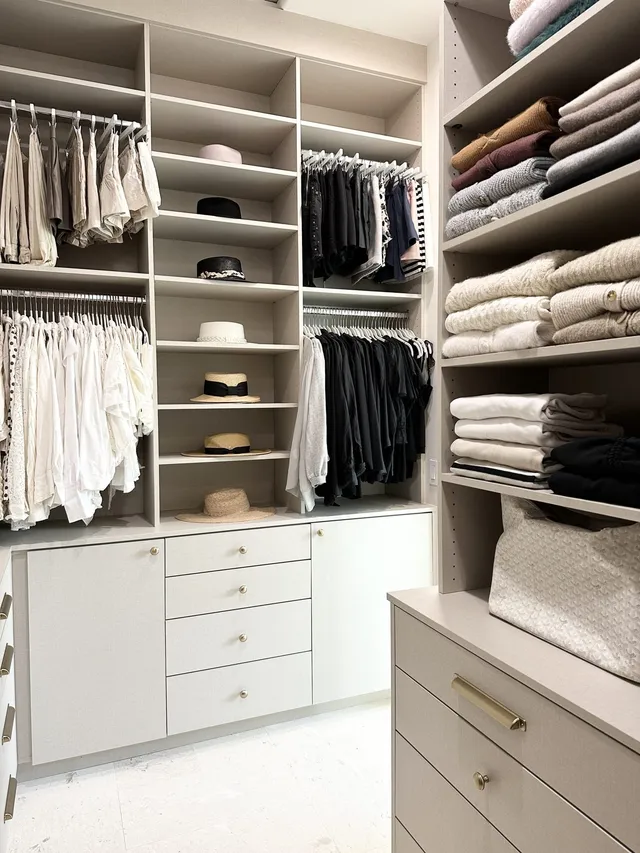
- Linen closet organized by bed and bath set, with counts on the shelf labels
- Locked owner supply closet with labeled backstock bins
- Cleaner caddy area for the cleaning products your team uses
- Bathroom drawers with guest amenities in clear, refillable containers
- Kitchen basics laid out so missing items are obvious after checkout
Owner storage keeps personal items away from guests
Many valley rentals double as part-time homes, so the owner keeps personal belongings on site. We sort those into an owner's lockout closet or a locked garage cabinet, label everything and make a simple list so the owner knows what is stored without having to dig.
If you have backstock stored in the garage, think about heat. Las Vegas garages get far hotter than the house in summer, which is hard on candles, paper goods with adhesives, toiletries and anything in aerosol cans. We move sensitive supplies indoors where possible. Garage organizing itself is offered mid-October through April.
What we do, and what your cleaners and managers do
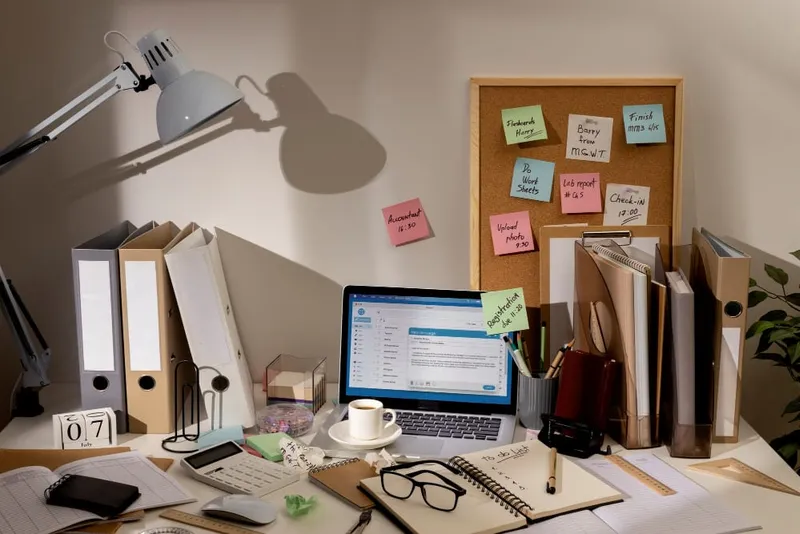
We set up the physical system once: sort, edit, contain, label and document. Your cleaning team turns the home over and restocks to the labels. Your manager or co-host handles bookings, guest communication and any rules that apply to the property. We don't give advice on local rental regulations or permits; check those with the appropriate authorities or your manager.
We also don't buy linens, small appliances or guest consumables, though we'll tell you what appears to be missing. We source organizing products such as bins, risers and label holders, and return anything unused.
Scheduling around bookings
Rental setups are planned for a gap between guests. Tell us your calendar and the cleaner's schedule, and we'll book a visit that ends with the home guest-ready. A new rental that is being furnished from scratch can be organized as deliveries arrive, much like a remote move-in setup.
A quick refresh a few times a year resets cabinets guests have rearranged and adjusts counts that didn't work. See our maintenance and refresh sessions for how those visits run.