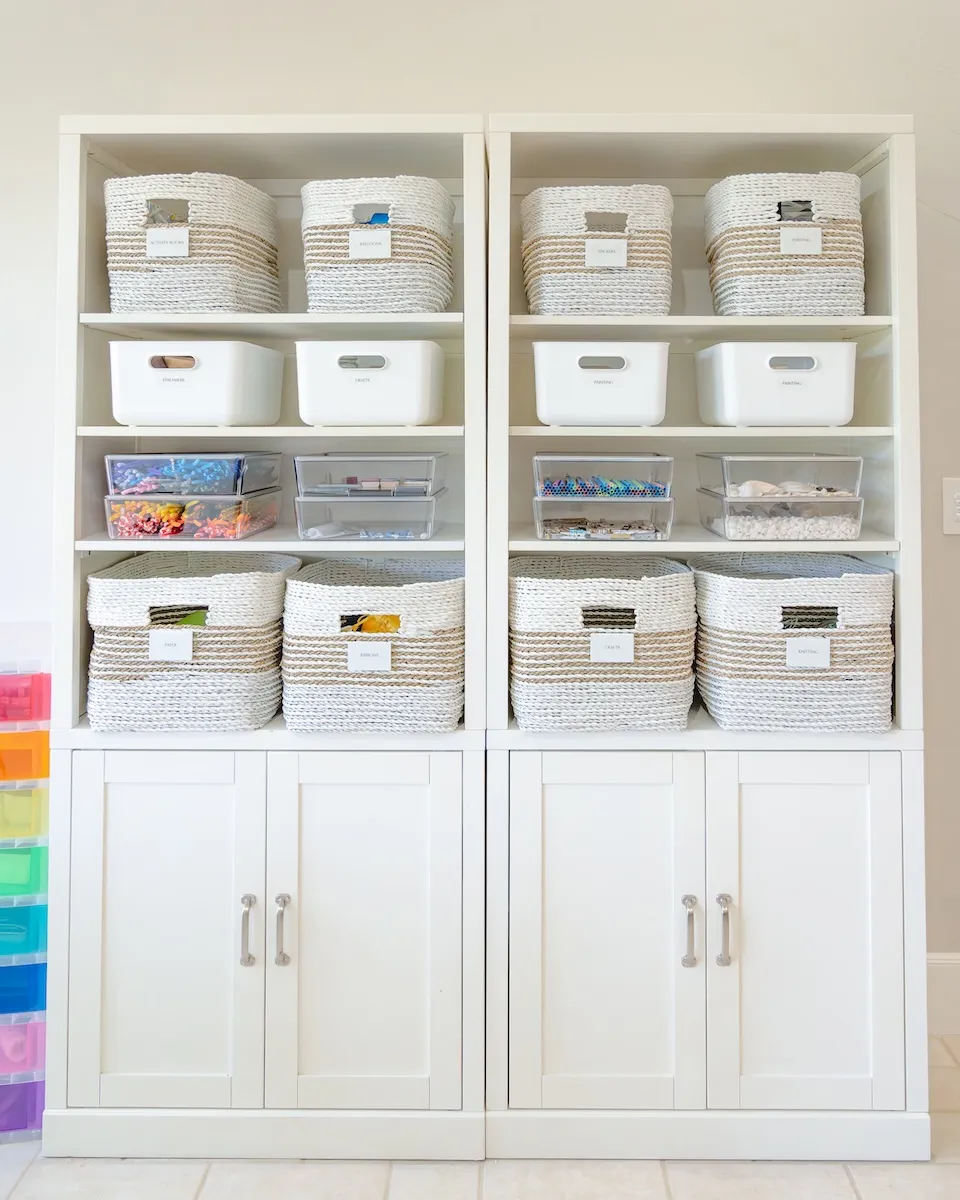
A showroom has two audiences, and both need a system
Clients see the displays. Your staff see everything else: the drawers of swatches, the rolling racks behind a curtain, the sample shelves and the closet where last season's pieces wait. A showroom feels polished only when both layers are organized, because a cluttered back of house always leaks onto the floor eventually.
We plan the two layers together. The customer-facing side is edited and spaced so pieces breathe. The working side is labeled and grouped so a team member can pull a size, color or sample in seconds and put it back where it belongs.
What a showroom project can include
Showrooms vary widely, from apparel and accessories to furniture, lighting, tile, cabinetry samples and bath fixtures. The work adapts to the product, but these tasks come up again and again:
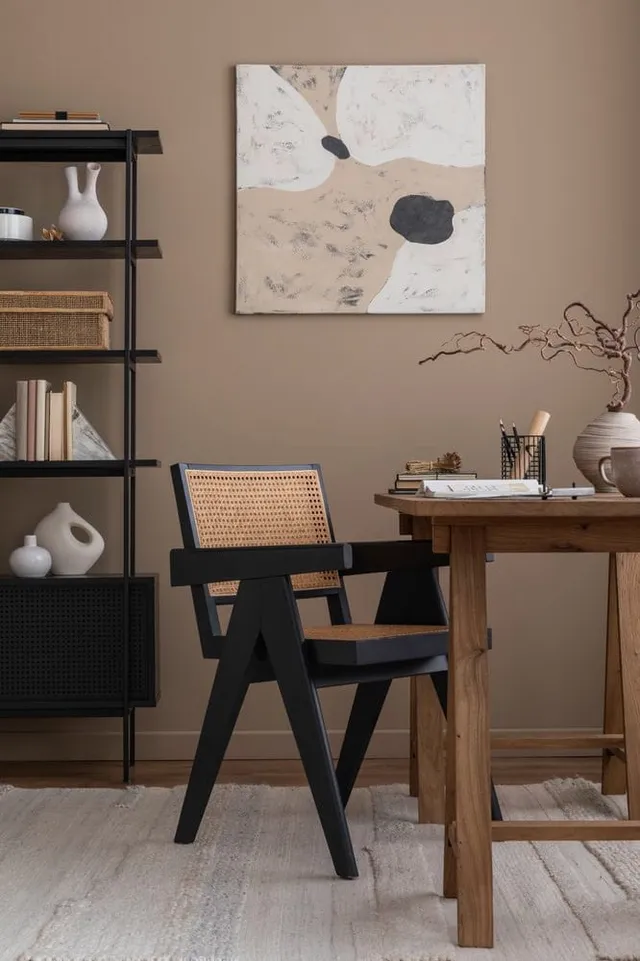
- Editing displays so each grouping tells a clear story and nothing feels crowded
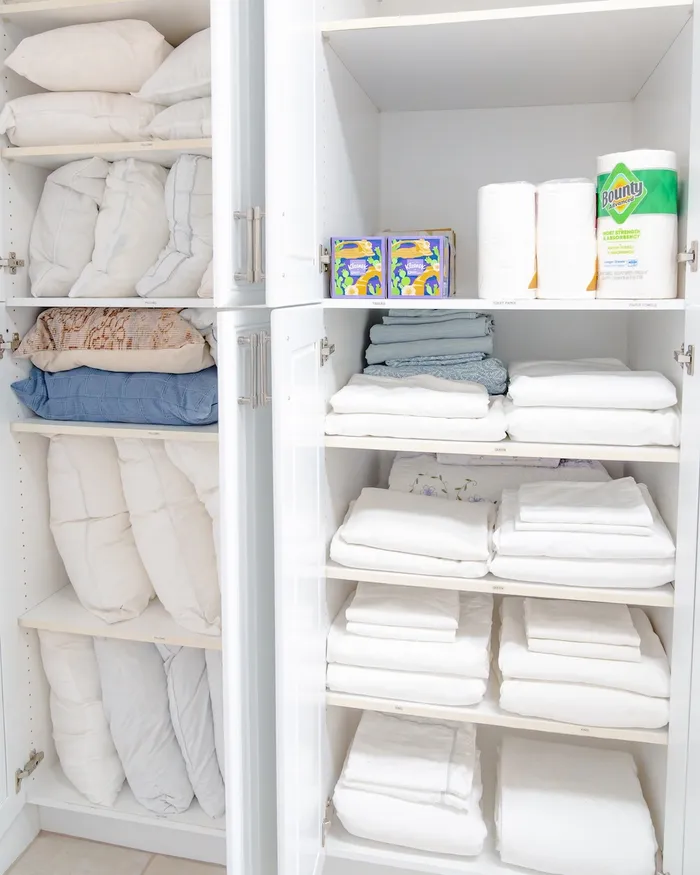
- Apparel organized by collection, then by color and size, on matching hangers
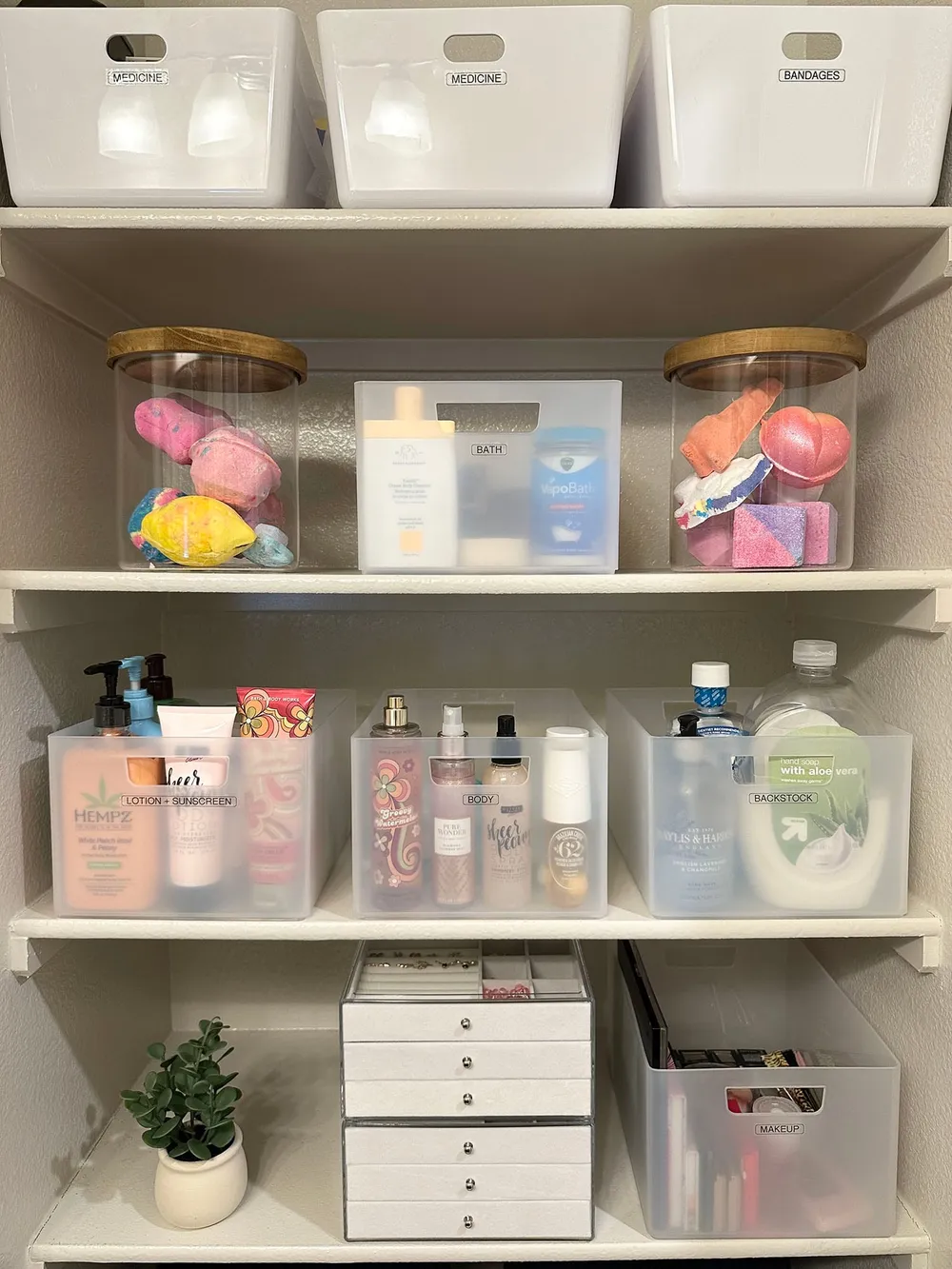
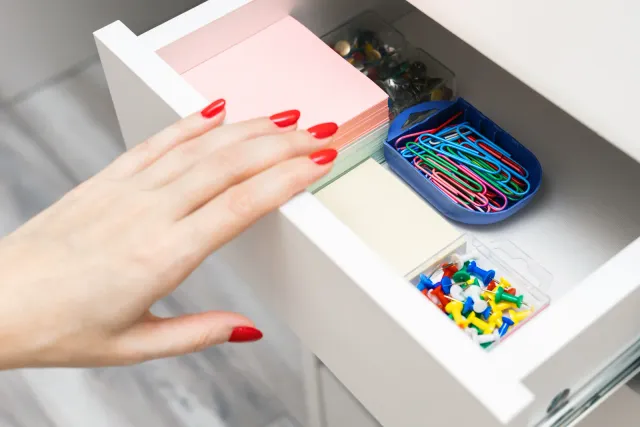
- Sample libraries and swatch drawers sorted and labeled so clients can browse independently
- Backstock organized to mirror the floor layout
- Literature, price books and order forms gathered into one labeled station
- A seasonal storage plan for pieces rotating off the floor
- Sourcing of hangers, bins, risers and label holders, with returns of unused products handled for you
Editing comes before arranging
The most common showroom problem is too much on display. When every surface holds product, nothing stands out and clients can't tell what is current. We work with the owner or display lead to decide what stays out, what rotates and what moves to storage.
You make every decision about inventory and merchandising priorities. Our role is to show you the options clearly, carry out the edit and create a home for everything that leaves the floor. For business owners who also sell from a stockroom, our retail stockroom service covers the backroom in more depth.
Las Vegas showrooms face specific pressures
The valley hosts major trade shows and design markets, and many local showrooms see bursts of visitors around them. A showroom that is easy to reset after a busy week is worth planning for. We build in staging space, a quick reset checklist and labeled homes for event signage so the floor returns to normal fast.
Sunlight is another factor. Big storefront windows in desert light fade fabrics and finishes, and hot afternoons can affect candles, adhesives and certain materials. We help you place sensitive pieces out of direct sun and store backstock in the coolest part of the building. Fine dust settles quickly on open displays too, so lidded storage protects anything held in reserve.
How we schedule a showroom project
Showrooms usually stay open while we work, so we plan sections in an order that keeps the floor presentable. Back-of-house storage often comes first, which frees space to stage display pieces while we edit the floor. Large projects can be split into phases over several visits.
We organize, edit and style with what you have. We don't build fixtures, move heavy furniture between buildings or repaint walls; if a fixture change is part of the plan, your contractor or installer handles it first. You can see examples of our work on the portfolio page.