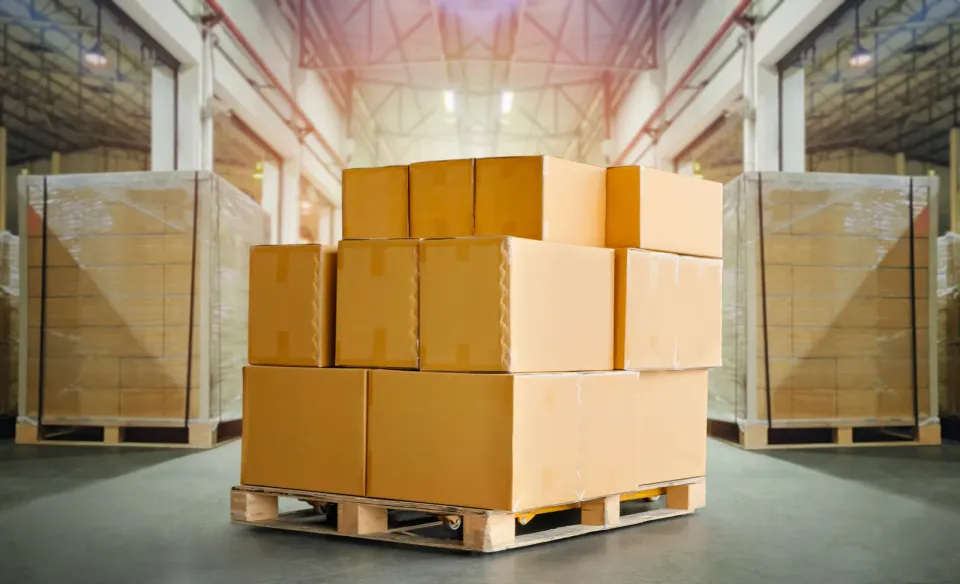
A good stockroom shortens the walk between the customer and the size
Every minute an associate spends in the back looking for a medium in navy is a minute the customer is alone on the floor. The goal of a stockroom project is simple: when someone asks for an item, the employee walks to one spot, finds it, and comes back.
We get there by mapping your floor first. Each floor section gets a matching backroom section, labeled in the same words your staff already use. If you merchandise by collection or by brand rather than by category, the stockroom follows that instead.
What we organize in a retail backroom
A stockroom has jobs besides storage, and each job needs a defined area. We set up the following, scaled to the space you have:
- Receiving. A clear landing zone near the back door with a table or shelf for checking shipments.
- Processing. Tags, hangers, pricing supplies and steamers in one place so new product moves to the floor quickly.
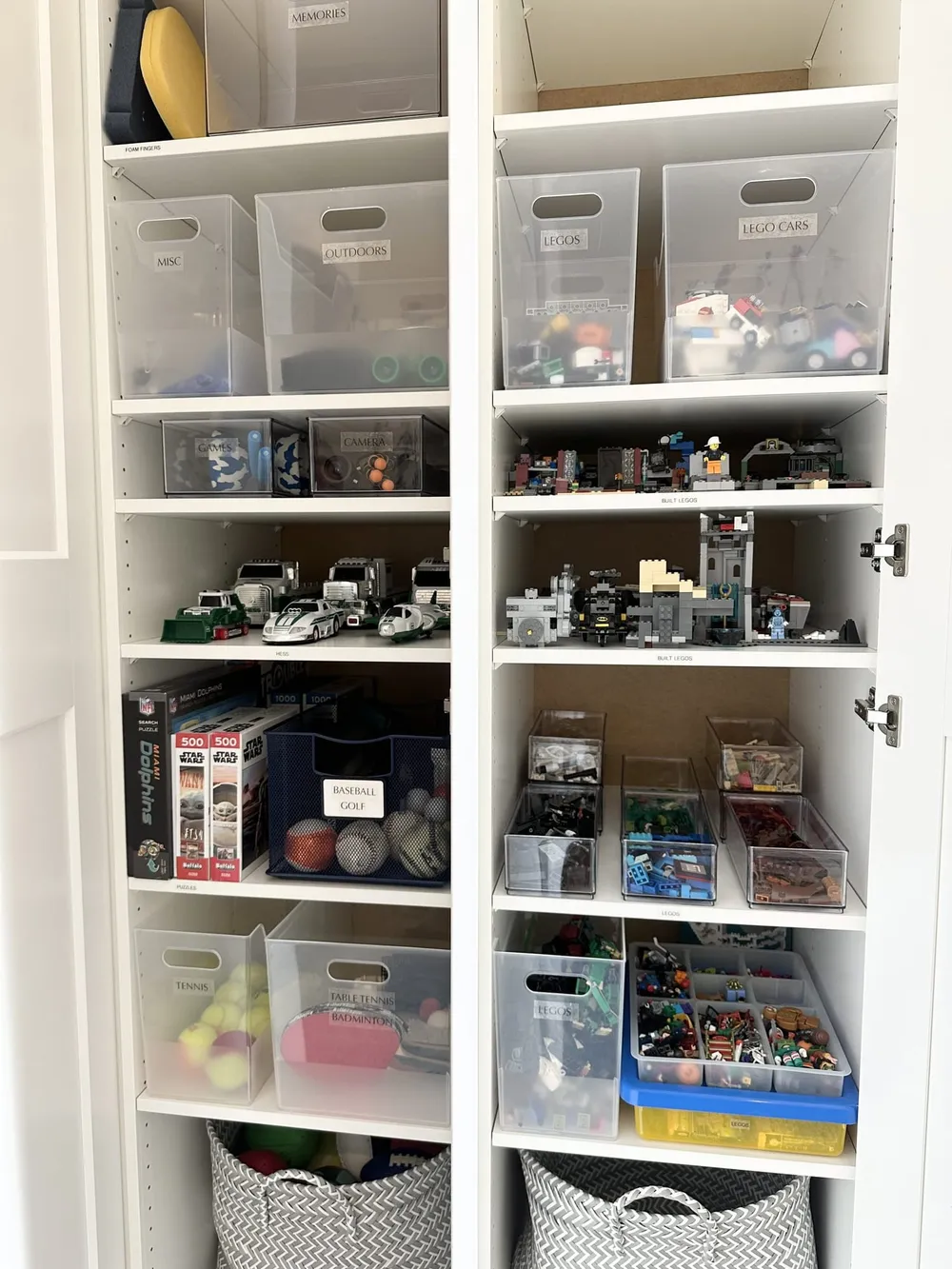
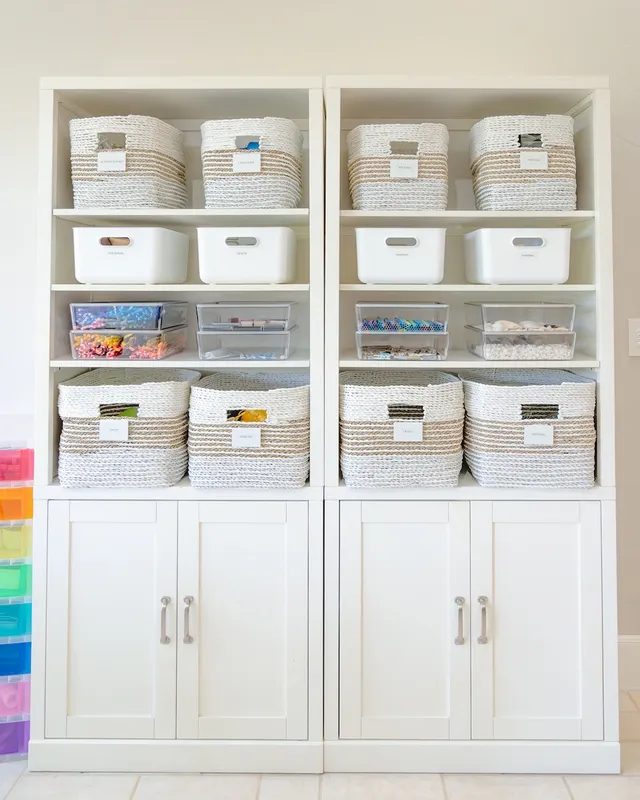
- Backstock. Shelving organized to mirror the floor, with size runs left to right and smallest to largest.
- Returns and damages. A separate, labeled bin so problem items don't mix back into sellable stock.
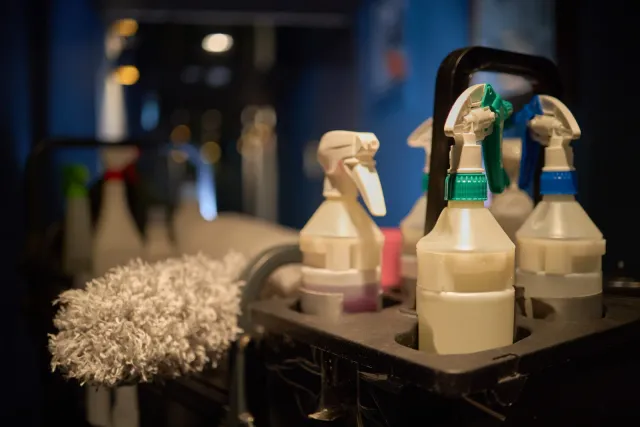
- Store supplies. Bags, tissue, receipt paper and cleaning supplies, each with a par level on the label.
- Seasonal and display. Fixtures, signage and holiday props stored and labeled for the next reset.
Plan for Las Vegas seasons, events and heat
Retail calendars in the valley swing with holidays, big event weekends and the tourist seasons that bring visitors into shopping centers and resort corridors. We leave room in the layout for those surges, usually with a flexible overflow shelf that holds incoming holiday stock and empties again in January.
Backrooms that share a wall with a loading dock or sit under a flat roof can heat up quickly in summer. Candles, cosmetics, chocolate, adhesives and electronics should be stored on the coolest interior shelves, off the floor and away from the door. We mark those items on the plan so new hires keep them there. Fine dust is also constant here, so lidded bins protect folded goods that sit for weeks.
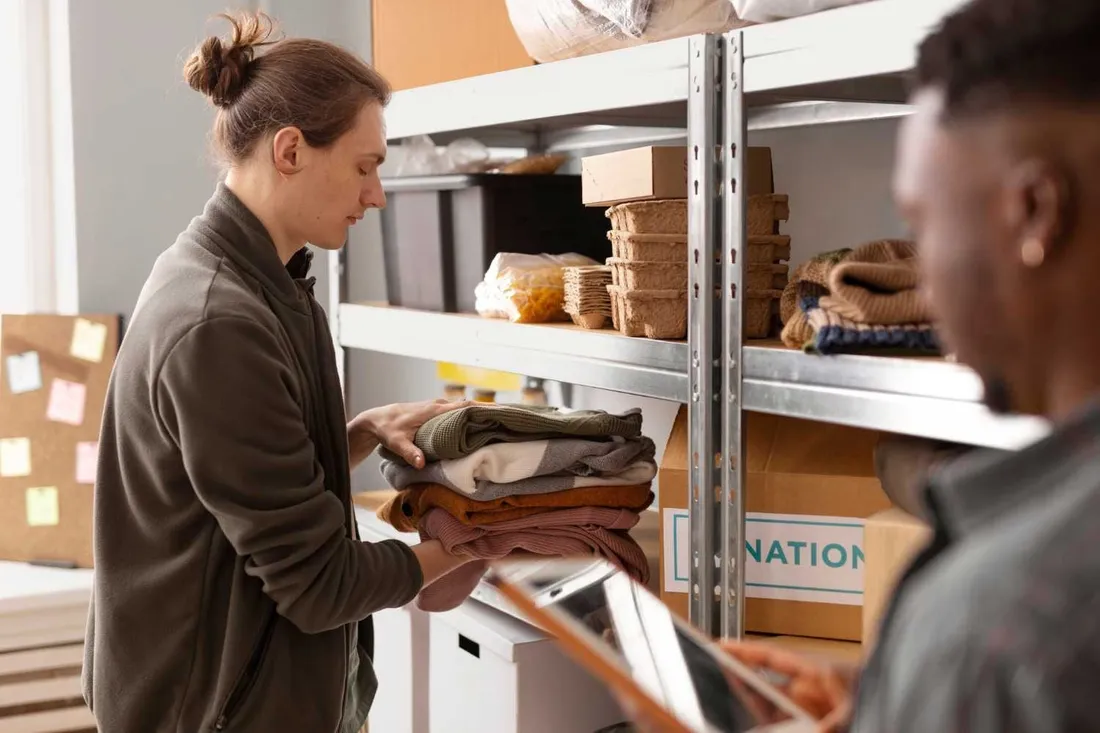
Labels and rotation keep the room working after we leave
Shelf-edge labels name the category, and bin labels show size or color. Older product moves forward when new shipments arrive, so seasonal pieces sell before they look tired. Anything with a date, such as beauty or food items, is arranged soonest-first.
We walk your manager through a weekly ten-minute reset: clear the receiving zone, empty the returns bin and pull forward anything that slid back. If you'd like the full do-it-yourself method, our guide on how to organize a retail stockroom explains it step by step.
We schedule around store hours and deliveries
Most shops can't close the back during business hours, so we plan the work before opening, on a slow weekday or across two shorter visits. We avoid your truck days, keep the fastest sellers reachable throughout and finish one section completely before starting the next.
We organize product and supplies; we don't build or install shelving, move heavy fixtures or haul away trash. If the room needs new shelving, a handyman or your landlord's maintenance contact installs it first and we take it from there. Our showroom organization service covers the customer-facing side if your floor needs attention too.