Organize by how you pick, not by how things arrived
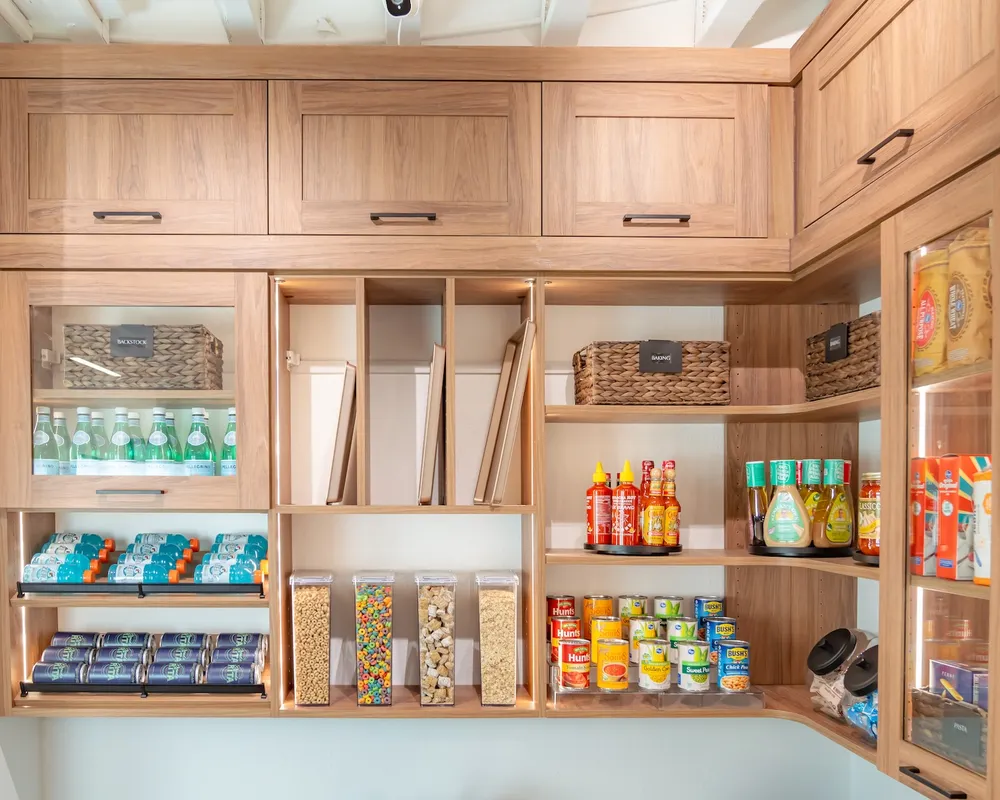
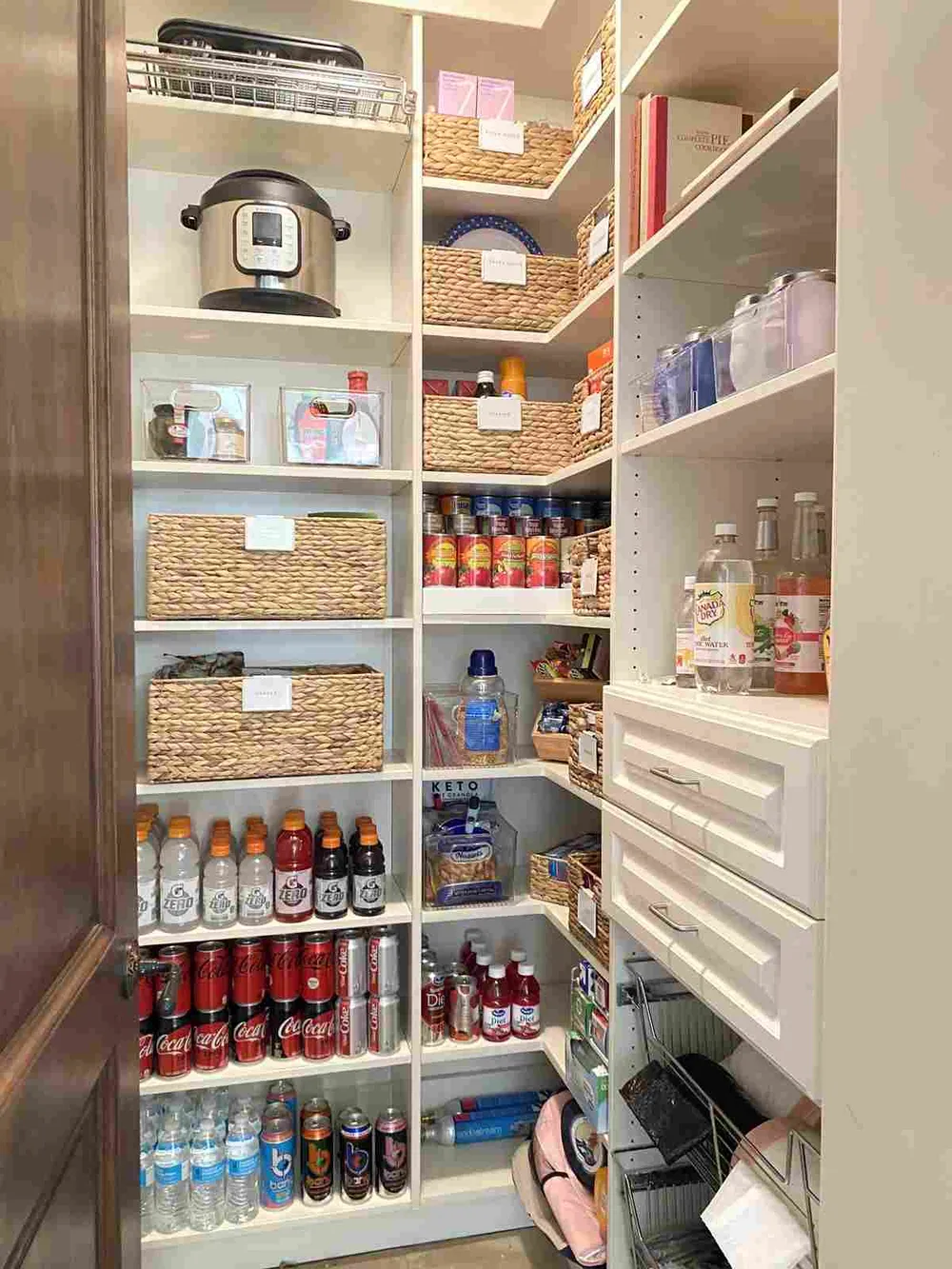
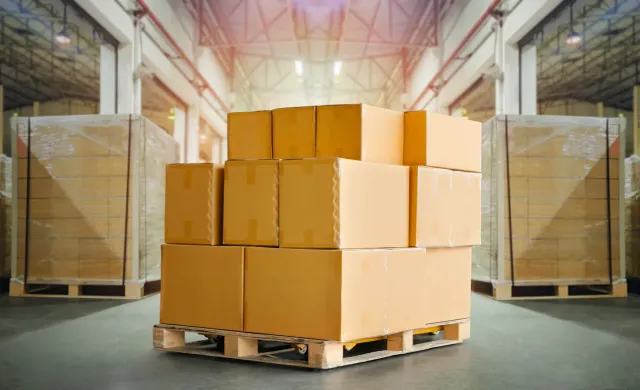
Inventory tends to get stored wherever there was room on delivery day. Over time, the best sellers end up in the back corner and the slow movers sit by the door. The first step in any project is to reverse that: fast movers closest to where orders are packed, slow movers further away, and supplies in their own zone.
We start by pulling everything into view and grouping it by product line, size or SKU, depending on how you think about it. Seeing it all together usually reveals duplicates, forgotten stock and items that should be discontinued.
Next we walk through a typical order with you, from the moment it comes in to the moment it ships or leaves with a customer. Every step where someone has to search, double back or move a box to reach another box tells us where a zone needs to change.
What a typical inventory project covers
Small businesses range from online sellers and makers to contractors, caterers and event companies, so the details change. The structure is usually similar:
| Zone | Purpose |
|---|---|
| Receiving | Where deliveries land and get checked before they're shelved |
| Active stock | Fast-moving products near the packing or prep area |
| Reserve stock | Overflow and slow movers, higher or further back |
| Packing or prep station | Boxes, mailers, tape, labels and printer in one place |
| Supplies | Tools, cleaning and office items, separate from product |
| Returns and damages | Its own bin so it doesn't mix with sellable stock |
Labels that match your records
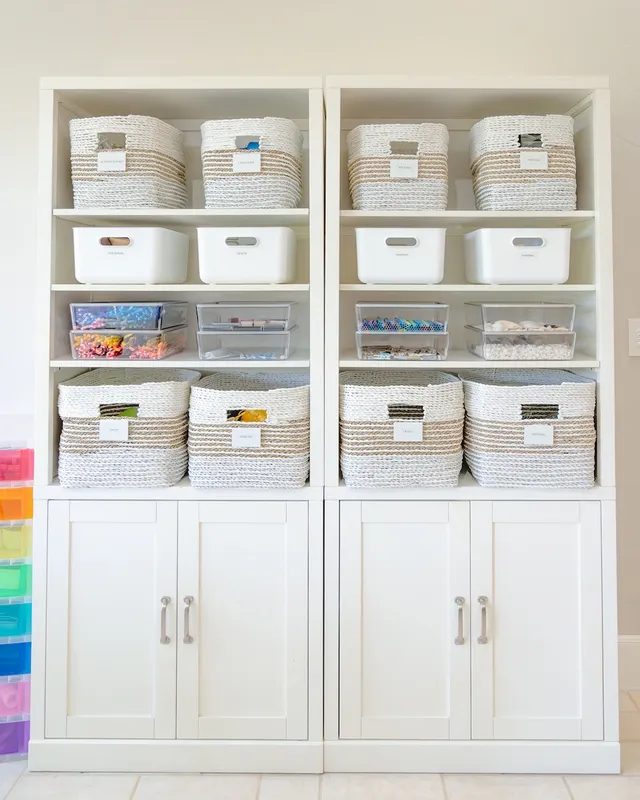
The most useful shelf label uses the same name or code that appears in your inventory spreadsheet or software. When the shelf and the system speak the same language, counts are quicker and new staff can find anything from an order sheet.
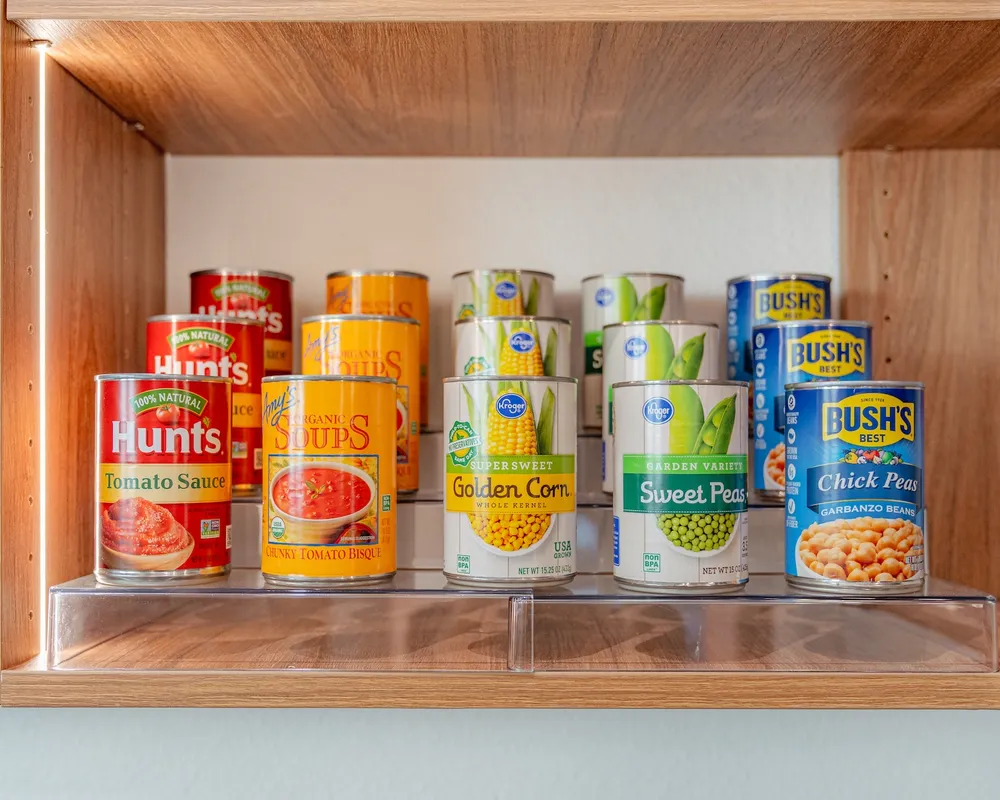
We don't set up or manage inventory software, but we'll label to whatever system you already use. If you don't have one, we can note quantities on a simple sheet as we sort. Where reordering matters, we add a reorder line to the label, the same approach described in our guide to supply closet par levels.

Heat, dust and space in Las Vegas storage
Many valley small businesses store inventory in flex units with roll-up doors, in storage units or in a home garage. All three can get very hot in summer. Candles, cosmetics, food, adhesives, batteries, electronics and printed materials can be damaged by sustained heat, so we help you decide what needs indoor or climate-controlled space.
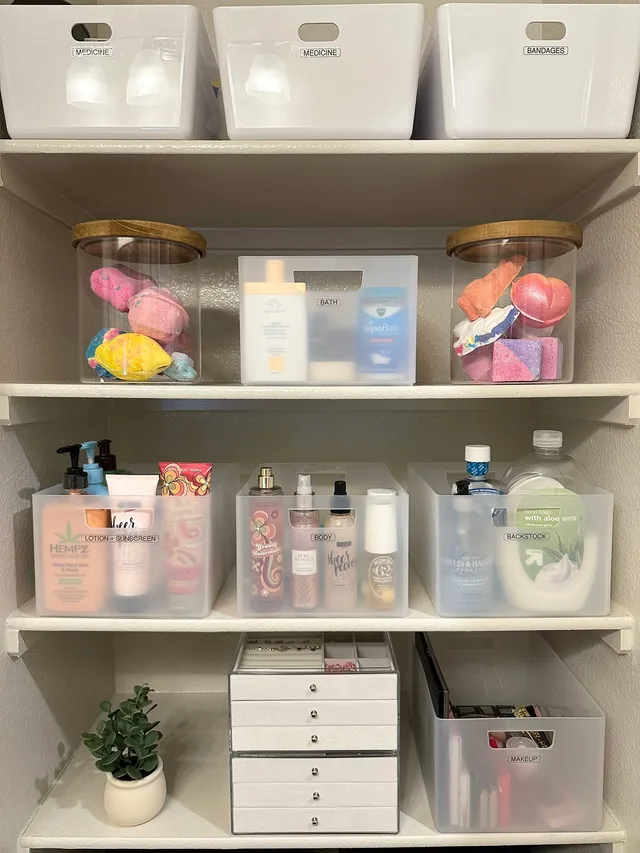
Dust from the desert gets into unsealed boxes quickly, which matters for anything sold new. Lidded, stackable bins and closed cartons on shelves keep product clean. If your stock lives in a storage unit, our storage unit organization service explains how we lay those out for access.
How we schedule around your operation
We plan the work so orders keep going out. That might mean starting with reserve stock while active stock stays put, or working on a day without pickups. Bigger spaces can be organized in phases across more than one visit.
We organize, contain and label; we don't build racking, operate forklifts or haul away pallets. If you need new shelving, a handyman or racking installer sets it up first. For product that's displayed to customers, see our retail stockroom organization service.