Talk about the move early and in concrete terms
Children cope better with change they can picture. Show them photos of the new house, the route to their school or the nearest park, and where their bedroom will be. For younger kids, a simple calendar with the moving day circled helps make it real.
Answer questions honestly and keep it short. Older kids often care most about friends and activities, so talk through how they will stay in touch and what they can join in the new neighborhood.
Give each child a job that fits their age
A role turns a stressful event into something kids can feel proud of. The job does not need to be efficient; it needs to be theirs.
| Age | Good moving jobs |
|---|---|
| Toddlers | Choose a comfort toy to ride in the car, put stickers on their boxes |
| Ages 5 to 8 | Pack their own book box, draw labels, sort toys to donate |
| Ages 9 to 12 | Pack their desk and shelves, keep a box count, help plan their new room |
| Teens | Pack their room with a deadline, research the new area, help with younger siblings |
Step by step
- Share the news with a plan
Tell kids about the move with photos and a calendar so they can picture it.
- Assign age-right jobs
Let each child pack or label something of their own.
- Edit toys together
Choose what to keep and donate with them, not for them.
- Pack a first-night box for each child
Pajamas, a favorite toy, a book, a nightlight and their own toothbrush.
- Set up kids' rooms first
Beds made and a familiar corner ready before the rest of the house.
- Keep routines steady
Normal meals and bedtime matter more than finishing the unpacking quickly.
Pack their rooms last and unpack them first
Leaving a child's room mostly intact until the final day or two keeps their world normal for as long as possible. Pack toys and books they rarely use earlier, but leave bedding, favorite stuffed animals and the nightlight until the end.
At the new house, set up beds, nightlights and a familiar shelf of toys before anything decorative. If you can, arrange the furniture in a similar layout to their old room for the first few weeks. Our unpacking checklist for a new home shows how to fit kids' rooms into the overall order.
Use the move to edit toys, gently
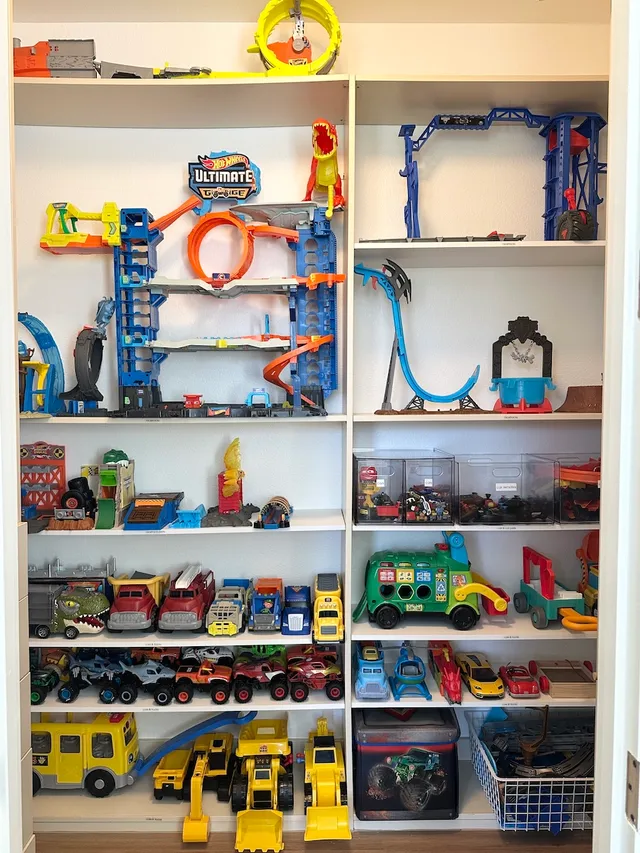
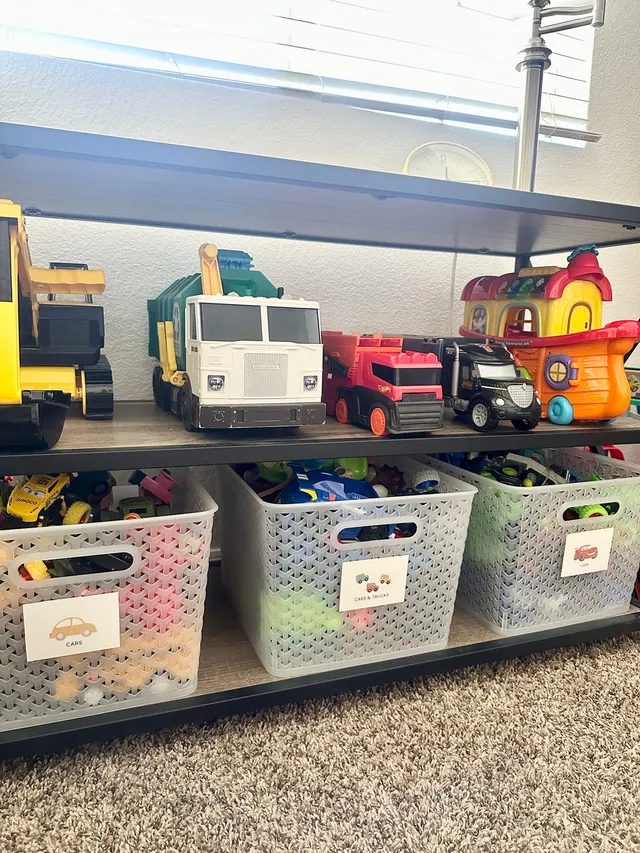
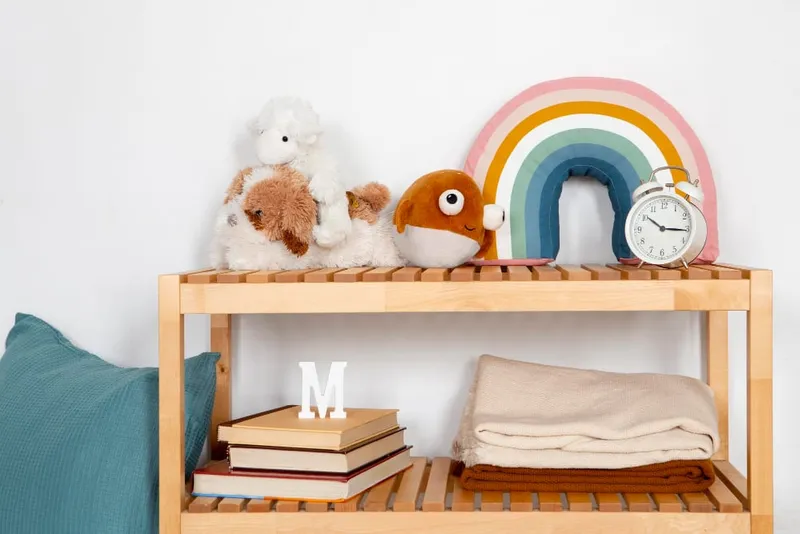
Moving is a natural moment to pass along outgrown toys, but children should be part of the choice. Ask them to pick favorites to keep and a few things to give to other kids, rather than clearing their shelves while they are at school.
Broken items and pieces of incomplete sets can go without much discussion. For a full approach that keeps the peace, see our guide on how to declutter kids' toys.
Plan moving day around naps, heat and safety
A house full of open doors, dollies and boxes is not a safe place for small children. If you can, arrange for a relative or sitter to watch them for the heaviest hours of loading and unloading.
In a Las Vegas summer, keep kids out of the hot garage and driveway during unloading, and pack plenty of water and snacks in a cooler. A morning start helps everyone avoid the worst of the afternoon heat.